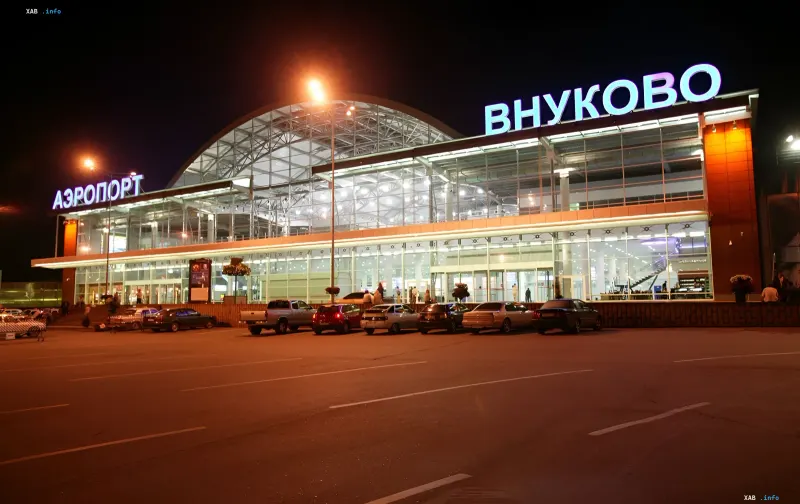
On the night of October 17, 2026, Vnukovo, Domodedovo, and Zhukovsky airports suspended the reception and dispatch of aircraft, according to the Federal Air Transport Agency (Rosaviatsiya). The agency stated that the restrictions were introduced "to ensure flight safety," though the specific reason for suspending terminal operations was not specified in the official announcement. This marks the second consecutive day that key air hubs in the Moscow aviation cluster have failed to function normally.
The Second Day Without Flights: Chronology of Restrictions
The first restrictions at Moscow airports were introduced a day earlier, on October 16. Reports indicated that four airports were temporarily taken out of operation at that time—alongside Vnukovo, Domodedovo, and Zhukovsky, restrictions also affected Sheremetyevo. As became known from public statements, the cause was a massive drone attack on the capital. Moscow Mayor Sergey Sobyanin publicly confirmed information about an attack involving roughly 50 drones on the city. On the night of October 17, according to Rosaviatsiya, Sheremetyevo resumed operations, while the other three airports remain closed.
Rosaviatsiya Does Not Name the Reason: The "Flight Safety" Formulation
Unlike the previous day, when the connection to the UAV attack was confirmed at the city leadership level, the Rosaviatsiya statement from the night of October 17 lacks any direct reference to drones or any other specific threats. The agency limited itself to a standard formulation regarding the necessity of temporary restrictions to ensure flight safety. At the time of publication, neither the Moscow Mayor nor law enforcement structures had issued new confirmations regarding the danger of UAVs in the capital's airspace on Saturday night.
Context: Massive Strikes on Moscow in October
The current situation fits into a series of incidents involving the use of unmanned systems in the Moscow area. As previously reported, on the night of October 14, Ukraine's Defense Forces launched hundreds of strike drones against Moscow and the Moscow region, according to various estimates. Following that episode, the capital's airports also experienced periods of restrictions. The re-imposition of restrictions on October 16–17 indicates that the threat in the region's airspace persists, compelling aviation authorities to take preventive measures.
Impact on Passengers and Logistics
The two-day suspension of operations at three of the Moscow aviation cluster's four largest airports affects thousands of passengers: flights are canceled and delayed, connection chains are disrupted, and lines form inside terminals. Photographs taken near the terminals during the night hours show rows of parked cars and groups of people waiting outside the entrances. For passengers whose flights were scheduled for October 16–17, airlines typically offer rescheduling to other dates or refunds; however, under conditions of multi-day restrictions, the volume of rescheduled flights significantly exceeds the processing capacity of the remaining open terminals.
What's Next: Expectations and Scenarios
At the time of preparing this material, Rosaviatsiya has not published a forecast regarding when normal operations will resume. The precedent from the previous day shows that restrictions can be lifted within a few hours after assessing the situation, but the repetition of the scenario the following day indicates that aviation authorities are maintaining a cautious approach. Passengers are advised to track flight status through the official channels of airports and airlines, as well as to be prepared for potential schedule changes over the coming day.