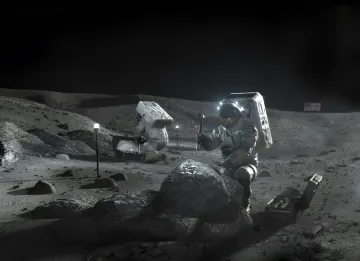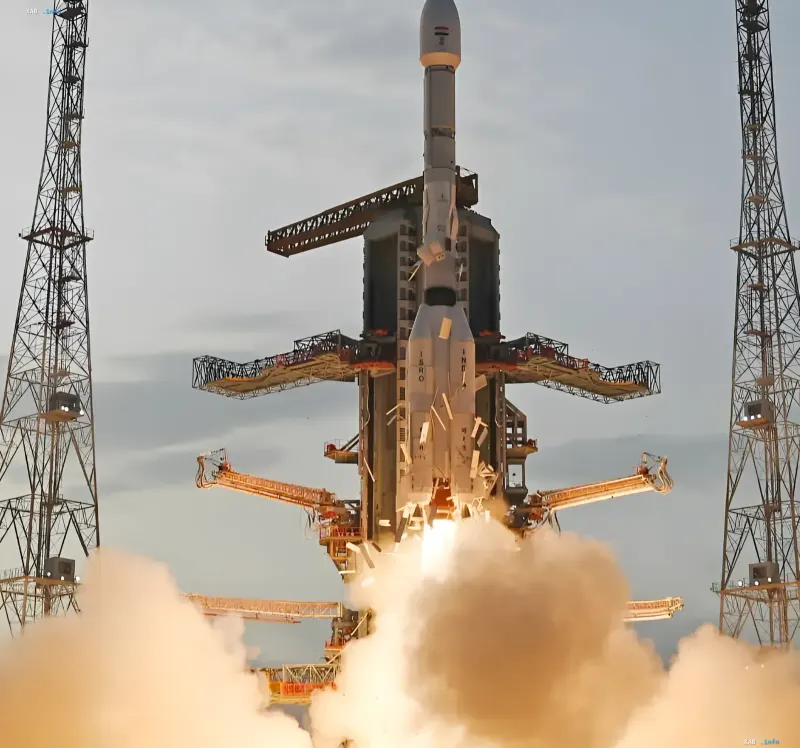
A significant event has occurred in the space industry that could alter the balance of power in lunar exploration. NASA has officially invited the Indian Space Research Organisation (ISRO) to join the ambitious Moon Base program. This involves creating a permanent lunar outpost in the region of the Earth's satellite's south pole. This invitation was a key outcome of the 9th meeting of the US-India Civil Space Joint Working Group (CSJWG), which took place on August 5 and 6, 2026, at the ISRO headquarters in Bangalore.
Strategic Partnership and Infrastructure Development
According to a joint statement, the project envisages a large-scale series of both crewed and robotic missions. The main goal is to ensure the creation of permanent infrastructure that will allow not only scientific research but also the habitation and work of crews on the lunar surface. NASA views this cooperation as a critically important step in the search for new scientific discoveries and preparation for future expeditions into deep space beyond lunar orbit.
Continuity of the NISAR Mission Success
The invitation to India is a logical continuation of the successful cooperation between the two countries in the space sector. In particular, the sides discussed expanding interaction in the field of technologies for crewed flights, building on the experience of the joint NASA-ISRO Synthetic Aperture Radar (NISAR) mission, which was successfully launched last year. Experts note that the integration of Indian technologies into American programs opens new horizons for both powers.
TRUST Initiative Framework and Data Exchange
In parallel with the discussion of the lunar base, the parties agreed to continue the exchange of open scientific data within the framework of the Artemis Accords — international agreements regulating the principles of lunar exploration and use. Negotiations are taking place within the framework of the TRUST initiative, launched in February 2025. This initiative is aimed at cooperation in the field of critical technologies, including artificial intelligence, semiconductors, quantum technologies, and, of course, space. The parties also reaffirmed their commitment to the recommendations of the UN Committee on the Peaceful Uses of Outer Space (COPUOS).