Issues regarding Ukraine's armament and Israel's geopolitical influence have once again become the center of sharp debates in Washington. As it turned out, in 2023, Israel blocked the transfer of 'Iron Dome' air defense systems to Ukraine, despite the missiles being fully funded by the American budget. This precedent has resurfaced in the context of discussions on new US defense legislation.
Hidden Veto and Joint Production
Previously, the late Republican Senator Lindsey Graham actively lobbied for the transfer of Ukrainian civil defense systems against Russian attacks, proposing the use of 'Iron Dome' batteries from American stockpiles. However, Israeli Prime Minister Benjamin Netanyahu exercised his veto right, blocking the deal.
The key factor was the joint production agreement: it gives Israel the final say on the use of the system, even if the equipment is funded by the US government. The Israeli Embassy in Washington explained this decision by citing concerns that advanced technology could fall into the hands of Iran. As an alternative, the Israeli side noted that it returned Patriot batteries to the US, which could have been directed to Ukraine.
New Defense Package and Expansion of Influence
Currently, the US House of Representatives has passed a defense policy bill worth $1.15 trillion. The document provides for expanding cooperation with Israel beyond air defense — into the spheres of biological weapons, artificial intelligence, cybersecurity, and directed energy systems.
The initiative finds support from Netanyahu, pro-Israel legislators of both parties, and the influential lobbying group AIPAC. However, the project is opposed by left-wing Democrats and a faction of right-wing Republicans attempting to block the document in the Senate.
Senator Democrat Chris Van Hollen harshly criticized the situation: 'This jeopardizes our sovereignty and harms our national security, undermining our capabilities. The missile systems we wanted to transfer to Ukraine were located in the southwest of the US and paid for by taxpayers, but Israel vetoed this'.
Competition Among Allies and Missile Shortage
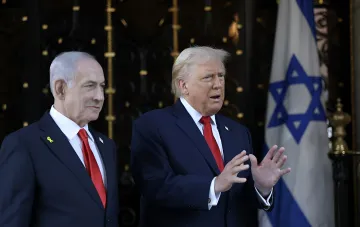
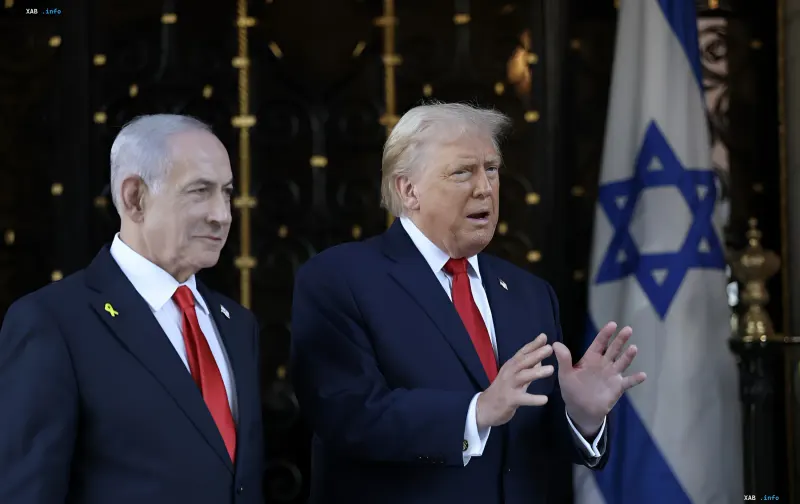
Debates over the bill coincided with visits to Washington by Netanyahu and Ukrainian President Volodymyr Zelenskyy. Their simultaneous requests for support effectively placed two US allies in a situation of competition for limited resources.
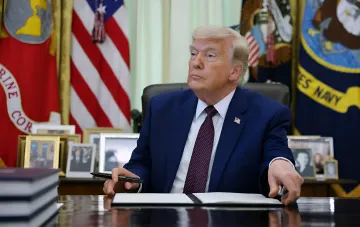
During a meeting with Zelenskyy, President Donald Trump stated that fulfilling Ukraine's request for 300 Patriot interceptor missiles would be difficult, as these munitions are actively being consumed in the conflict with Iran. US Secretary of State Marco Rubio, one of the most loyal supporters of Israel in the new administration, stated that he is not concerned about the possibility of Israel vetoing arms exports to third countries. According to him, such restrictions are an integral part of any joint production.
Recall that back in 2023, Netanyahu stated that Israel had not made decisions to transfer lethal weapons to Ukraine, limiting itself to assistance in humanitarian issues and civil defense.