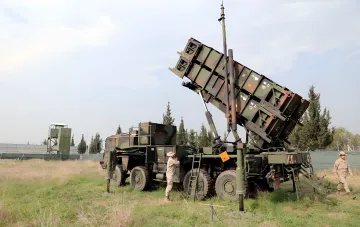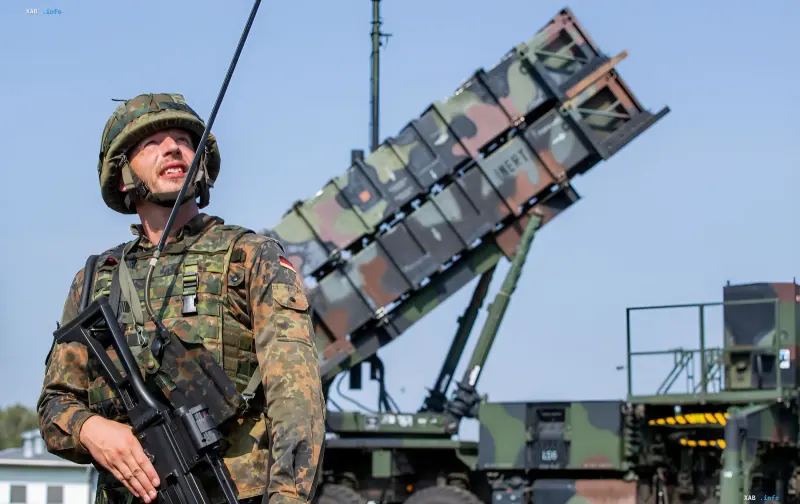
The Ministry of Defense of the Netherlands, together with European partners, is exploring options to accelerate the delivery of missiles for Patriot air defense systems to Ukraine. This was announced on her X social media account by Dutch Defense Minister Ruben Brekelmans (or in context: Dutch Defense Minister Dilan Yeşilgöz-Zegerius), describing the news of the major package formation as "pleasing." According to her, The Hague is already taking practical steps to shorten the timeframe for transferring ammunition to Ukrainian air defense forces.
European Package and JUMPSTART Program
We are talking about a large package of Patriot missiles, funded by European allies. In late October, the US Department of State approved the sale of 500 PAC-3 MSE missiles for Patriot systems to Ukraine for an estimated $2.1 billion. Crucially, US budget funds are not involved in this agreement: Ukraine is paying for the missiles using contributions from Canada, Germany, and Norway under the JUMPSTART program, as well as funds from a European Union loan allocated to support Ukraine. The ammunition manufacturer is the US corporation Lockheed Martin.
Search for Additional Arsenals: Germany and the UK
The Netherlands is not the only country trying to close the missile shortage for Ukrainian air defense systems. According to reports, Germany and the United Kingdom are also searching for additional Patriot missiles in the arsenals of other allies, since the United States is transferring a limited number of the systems themselves and ammunition for them to Ukraine. Berlin and London plan to present a counter-plan to resolve this issue to partners at the Ramstein format meeting scheduled for November 17.
Bureaucratic Delays on the US Side
In addition to logistical and financial issues, the Ukrainian side is facing administrative delays. Ukrainian President Volodymyr Zelenskyy previously reported that Ukraine had waited about a month for US Defense Minister Pete Hegseth's signature on the supply of missiles for Patriot and NASAMS systems. This episode highlights that even after formal approval of the deal at the State Department level, contract implementation can take additional time due to internal procedures in Washington.
The combination of these factors—European funding, the search for additional arsenals, and attempts to accelerate logistics—indicates that the supply of Patriot ammunition to Ukraine has become one of the key areas of coordination between NATO and European capitals in the current support cycle. The outcomes of the Ramstein meeting on November 17 will likely clarify what specific acceleration mechanisms will be adopted at the alliance level.