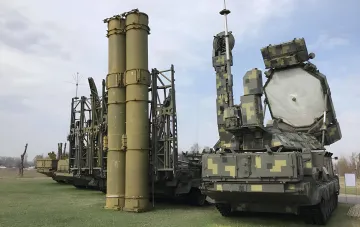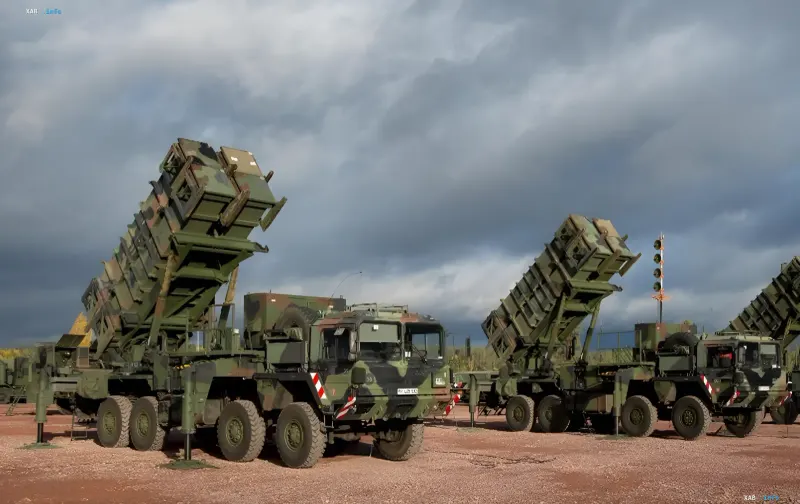
On August 6, 2026, against the backdrop of an escalating air threat, news emerged of a critical shortage of air defense assets in the Ukrainian sector. Kees Bakker, spokesperson for the Dutch Ministry of Defence, officially stated that the Kingdom no longer has available stocks of Patriot air defense system interceptor missiles that could be transferred to Ukraine from its own arsenals. This statement came in response to requests for additional aid following a massive attack by Russian forces on the night of August 5.
Exhaustion of Reserves and Search for Alternatives
As reported by RBC-Ukraine citing Radio Liberty, the Dutch defense department emphasized that Amsterdam has already fulfilled its obligations regarding the transfer of missiles to Patriot systems and currently lacks the technical capability to provide more ammunition from current stocks. "We have already transferred missiles to Patriot systems, and there is currently no possibility to provide more missiles from our existing stocks," Bakker noted. However, the spokesperson added that the Netherlands remains open to considering any other options that would help Ukraine protect its skies and civilian population.
Context: Massive Attack and Air Defense Failures
The issue of additional missiles became particularly acute following the massive Russian attack on the night of August 5. During that assault, the occupiers launched 28 missiles and over a hundred drones at Ukraine. Amidst the acute shortage of air defense means, Ukrainian forces managed to shoot down most of the drones, but not a single missile was neutralized. This statistic clearly demonstrates the critical lack of long-range interceptors capable of effectively countering ballistic and cruise threats.
Financial Guarantees and Support Strategy
Despite the inability to directly supply missiles, the spokesperson for the Dutch Ministry of Defence reminded of long-term financial commitments. Amsterdam has guaranteed the allocation of €3 billion per year to Ukraine, fixed for at least until 2029. These funds will likely be directed towards purchasing weaponry through other channels or compensating defense expenditures, although they do not solve the problem of the immediate ammunition shortage on the front lines.
Contradictory Data
There is a clear discrepancy in assessments of the situation between the Ukrainian side and Western partners. Ukrainian President Volodymyr Zelenskyy previously stated that supplies of missiles for air defense systems had decreased threefold compared to 2025, although partner countries possess the necessary stocks. The head of state also suggested that the ammunition shortage might be linked to Western attempts to make Ukraine more pliable on political issues. Meanwhile, the European Union and specific defense ministries, such as the Dutch one, insist that they continue to actively support Ukraine but cite the actual depletion of their own stocks and the need for missiles for other military conflicts worldwide.