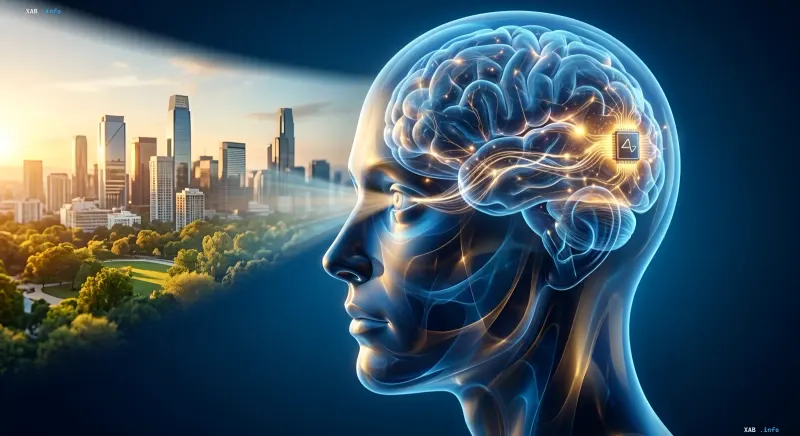
Elon Musk has announced that Neuralink's next product will be Blindsight, a neuroimplant designed to restore vision in completely blind individuals. According to the Neuralink founder, the device's key distinction is that it interacts directly with the visual cortex of the brain, completely bypassing the eyes and optic nerves. This fundamentally changes the approach to blindness: instead of attempting to fix or replace a damaged visual organ, the system works with the area of the brain responsible for forming visual perception.
How the Blindsight System Works
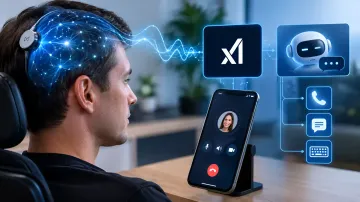
According to Musk's description, Blindsight centers around glasses with a built-in camera. The camera captures images of the surrounding environment and transmits the data to the Neuralink implant. The implant, in turn, converts the received information into electrical signals and directs them straight to the visual cortex. Thus, a digital “bridge” is created between the outside world and the user's brain: the glasses' optical system acts as the eye, while the implant serves as the optic nerve, which the patient may lack entirely.
Who the Implant Is Intended For
Musk emphasized that Blindsight is designed for people who have completely lost their sight, including those with damage to both eyes. Because the system bypasses the eyes and optic nerves, the technology is potentially applicable even to patients who have lost their optic nerves and those born blind. This expands the pool of potential beneficiaries beyond cases where part of the anatomical integrity of the visual pathway is preserved.
Project Status and Regulation
As confirmed by Musk himself, Neuralink's Blindsight is currently awaiting regulatory approval. This means the device has not yet reached the stage of widespread clinical use and remains in a pre-certification status. Until the appropriate permits are granted, the technology remains an announced product rather than an accessible medical solution.
Significance of the Announcement
The unveiling of Blindsight continues Neuralink's trajectory toward direct interaction between electronics and the human nervous system. If the stated scheme is confirmed during the regulatory and clinical trial phases, the “camera-to-cortex” approach could become one of the few paths to restoring visual perception for those for whom traditional methods — from correction to transplantation — do not work. For now, however, all characteristics of the device are known from Musk's statements, and its practical effectiveness will depend on the results of regulatory review and subsequent trials.