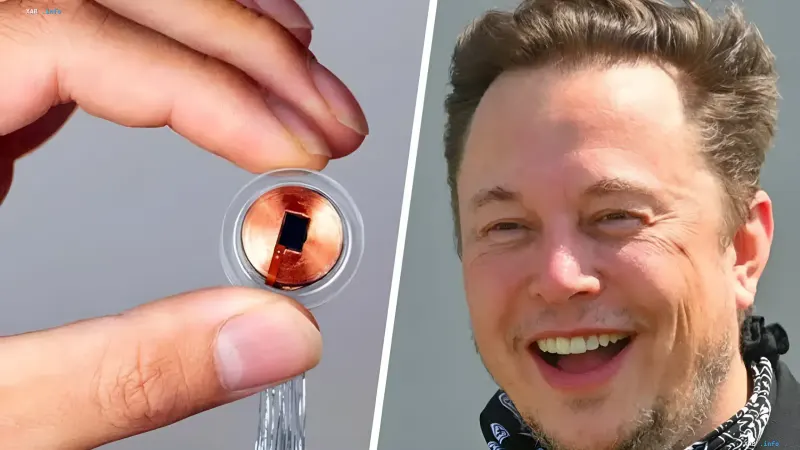
On October 30, 2026, Elon Musk announced on his social media X account that the Blindsight device developed by Neuralink is technically ready for use. According to him, the current step is to obtain approval from the relevant regulatory authorities to conduct human trials. Musk's statement summarizes years of work on a brain-computer interface aimed at restoring vision to people who have lost it or were born blind.
How Blindsight Works and Its Underlying Principle
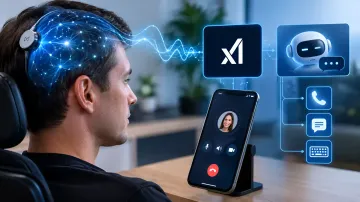
Blindsight operates on the principle of directly inputting visual information into the brain. A special camera captures the image, and the device transmits the data directly to the visual cortex of the brain—the area responsible for processing visual signals. The key feature of the design is that it bypasses damaged or missing eyes and optic nerves, delivering visual information straight to the cortex while skipping the defective peripheral vision apparatus. This approach makes the device potentially applicable both to individuals who lost vision due to injury or illness and to those blind from birth.
FDA «Breakthrough Device» Status
In September 2024, the U.S. Food and Drug Administration (FDA) granted Blindsight «Breakthrough Device» status. It is important to understand that this status serves to expedite the review and evaluation process for the technology, but it does not confirm its safety or efficacy. Thus, the category simplifies and shortens the path toward potential approval, yet it does not eliminate the need to complete a full cycle of regulatory reviews before human application.
Animal Testing and Absence of Human Trials
At the time of Musk's statement, the device had not undergone human trials. Neuralink reported conducting experiments on animals: in mid-2025, it was noted that one monkey had been living with the implant for three years. These data indicate a prolonged phase of preclinical research evaluating the durability and stability of the implant in a living organism. Transitioning to human trials is only possible after receiving the appropriate permissions, which, according to Musk, are currently being requested.
Telepathy Technology and Future Company Plans
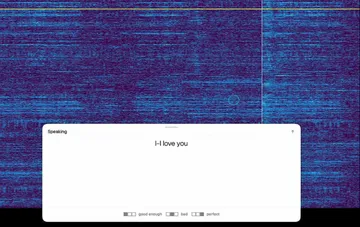
In addition to Blindsight, Musk mentioned another Neuralink development—Telepathy technology, which allows paralyzed individuals to control a computer using brain signals. In the future, the company plans to transmit brain signals directly to the limbs to help patients who have lost the ability to move. Thus, Blindsight and Telepathy represent two directions of Neuralink's unified strategy: restoring visual and motor functions through neural interfaces.
What's Next: The Path to Approval and Trials
The next and crucial stage for Blindsight is regulatory approval. Until it is granted, the device remains at the stage of readiness for trials rather than an active medical product. The exact timeline for starting human testing was not specified in Musk's statement, so the actual launch of the clinical phase will depend on FDA decisions and safety review results. For independent observers, the key indicator of progress will be the regulator's official notification of the start of human trials.