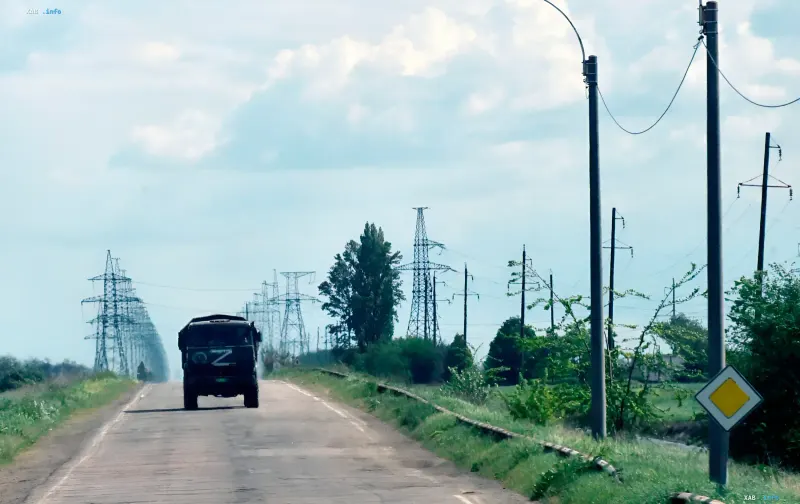
The situation on Ukraine's eastern front is entering a new phase. Having failed to achieve success in large-scale offensive operations, the Russian army has shifted to a tactic of constant pressure along the state border. The occupiers' goal is to create a so-called "zone of control" along the entire length of the border, requiring the Armed Forces of Ukraine (AFU) to maintain constant vigilance and adapt their defensive strategies.
Tactics of Small Groups and New Threats
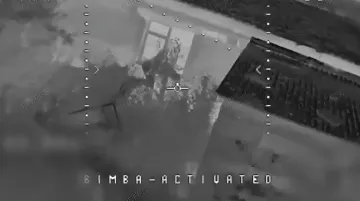
Viktor Tregubov, spokesperson for the Joint Forces Grouping, confirmed during the "United News" marathon that Russian troops are actively seeking new points for wedging. Instead of mass armored attacks, which risk being destroyed before reaching the front lines, the enemy has shifted to using small infantry groups. This tactic allows the enemy to conduct infiltration and test the strength of defenses at weak points.
Particular concern is caused by activity in the Kharkiv direction. The main points of effort for the Russians remain the Lyman and Kupyansk directions. However, the threat is shifting to new sections of the border. In particular, the situation near the village of Kozatska Lopan is relevant, where the invaders are attempting to cross the state border.
According to Tregubov, similar attempts to wedge in were previously recorded in the areas of Degtynar and Sotnytskyi Kozatsk. "The Russians are doing what they have always done — banging their heads against the same walls, but their heads are tough enough," the spokesperson stated, emphasizing the enemy's persistence.
Peak of the Summer Campaign and Air Superiority
Currently, Russian troops are at the peak of their summer offensive campaign. The aggressor has sufficient ammunition and reserves to maintain active advancement. Aviation plays a significant role in this strategy: the enemy has significantly increased the use of guided aerial bombs (KABs), which inflict colossal damage on AFU positions.
Despite the enemy's numerical superiority, Ukrainian troops are successfully stopping their onslaught. Key factors for success remain well-fortified positions, a streamlined drone warfare system, and effective "kill zones" (areas of destruction).
Viktor Tregubov noted that this tactic of small groups will not change until a technological turning point occurs on the front, allowing one side to gain a decisive advantage.
Global Risks: Zelenskyy's Warning
The threat posed by Russian aggression extends far beyond Ukrainian territory. Ukrainian President Volodymyr Zelenskyy warned that in the event of failure in Ukraine, Vladimir Putin will become significantly more dangerous not only for Kyiv but for the entire world. The Russian leader may attempt to expand military aggression against other states.
The head of state paid special attention to Russia's missile potential. According to Zelenskyy, Russia is enhancing its capabilities and is already capable of striking with ballistic missiles up to 5,000 km. This gives the aggressor the ability to attack any city in Europe, turning a regional conflict into a threat to global security.