On the night of 6 September 2026, Russian forces delivered one of the most massive aerial strikes on Ukrainian territory in recent times. According to the Air Force of the Armed Forces of Ukraine, the enemy employed 108 means of destruction — predominantly unmanned aerial vehicles of various types. The attack was launched simultaneously from five directions: Millerovo, Oryol, Kursk, the so-called "TOD Donetsk," and Hvardiiske toward "TOD AR Crimea." The scale and multi-vector nature of the strike required the simultaneous operation of all links in the air defense system.
Operation of Air Defense Systems
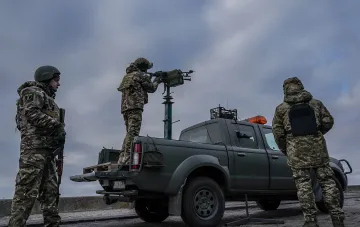
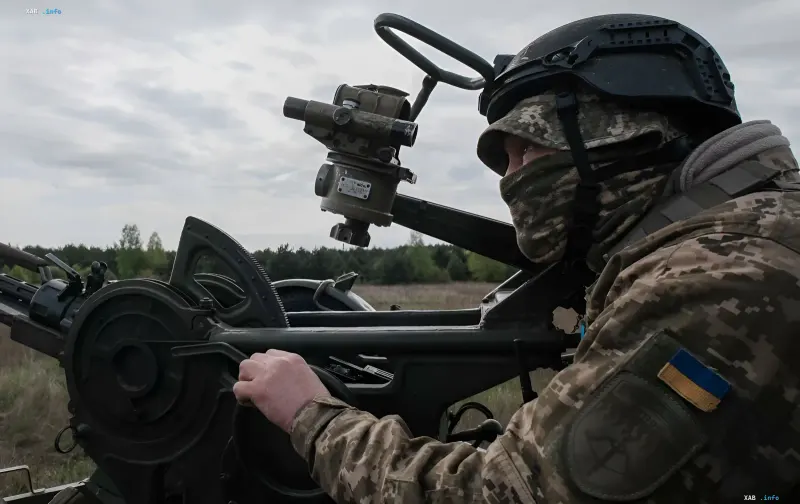
Aviation, air defense missile units, electronic warfare and unmanned systems units, as well as mobile fire groups of the Ukrainian defense forces, were engaged in destroying enemy targets. According to preliminary data released by the Air Force as of 09:30, air defense shot down and suppressed 82 enemy UAVs of the Shahed, "Gerbera," and other types, plus an additional 6 S8000 "Bandrol" drones. Commanders emphasized that at the time the report was published, the aerial attack had not yet ended and Russian drones continued to be detected in the air.
Consequences of the Strike
According to available information, impacts were recorded at 11 locations, and debris from shot-down drones fell on seven more. In Kyiv Oblast, a large-scale fire was extinguished after the attack, as RBK-Ukraine previously reported. For understanding the overall dynamics, it is important to note that on the evening of 5 September Russia had been shelling Zaporizhzhia for more than two hours, meaning strikes on different regions were carried out almost continuously over the course of the day.
Contradictory Data
All figures on the night strike of 6 September are preliminary: at the time the report was published, the attack was still ongoing, so the final number of targets shot down and impact locations may be revised. In addition, open sources contain data on other, earlier attacks that should not be conflated with the 6 September event: in particular, materials dated 1 September reported the interception of 5 ballistic missiles and more than 180 drones, while on the night of 2 September UAV strikes were repelled in two districts of Rostov Oblast. The differences in scale and dates are explained by the fact that these are separate episodes, not a contradiction in the assessment of the same strike.
Context of Escalation
The night strike of 6 September fits into a sustained pattern of mutual massive attacks by unmanned systems that is characteristic of the current stage of the conflict. Record numbers of drone incursions have previously been recorded, indicating the systemic nature of such operations on both sides. For the Ukrainian side, the key issue remains the resilience of air defense and the protection of critical infrastructure and populated areas against multi-vector strikes.