On the night of August 20, 2026, the Russian Armed Forces carried out a massive aerial attack on Ukrainian territory, employing various types of missiles and unmanned aerial vehicles. According to the Air Force of the Armed Forces of Ukraine (AFU), the main directions of the enemy strike were Kyiv Oblast and the capital, where tens of thousands of homes were left without power as a result of the attack. The defense was carried out by aviation, air defense missile units, electronic warfare units, and unmanned systems, as well as mobile fire groups of the Ukrainian Defense Forces.
Main direction of the strike — Kyiv Oblast
According to an AFU report cited by RBC-Ukraine, the priority target of the night attack was Kyiv Oblast. Air defense forces repelled enemy strikes simultaneously in the north, south, east, and center of the country. As of 09:30 on August 20, impacts of aerial attack means were confirmed at 28 locations, and the fall of debris from shot-down targets at 2 locations. The Air Force emphasized that Russia's aerial attack was still ongoing at the time the report was published.
Scale of the defense
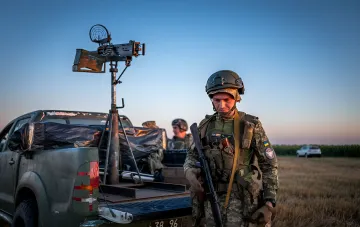
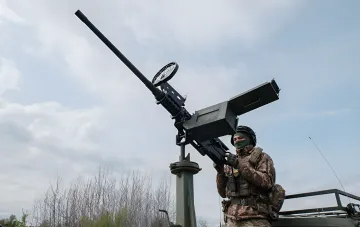
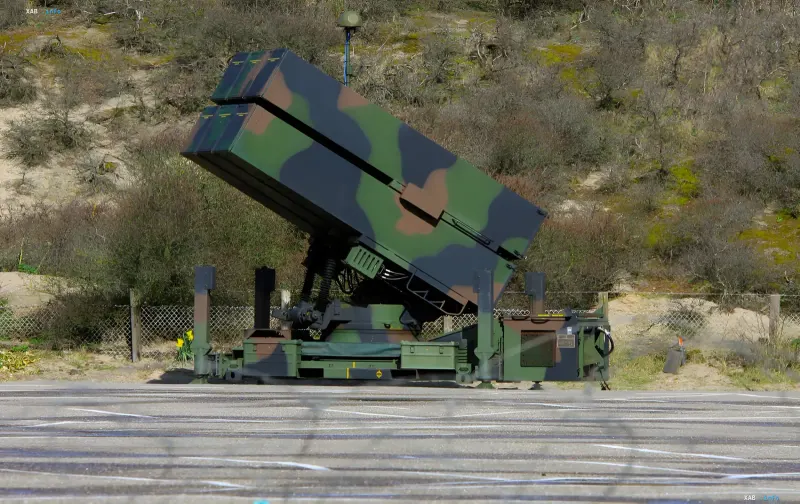
Practically all components of the air defense system were involved in repelling the night strike: fighter aviation, surface-to-air missile systems, electronic warfare means, unmanned systems units, and mobile fire groups. Explosions were heard in Kyiv and Dnipro on the night of August 20, indicating that some attack means breached the defense. In the capital, tens of thousands of homes were left without electricity after the strikes, pointing to hits on energy infrastructure facilities.
Contradictory data
Open sources show a significant discrepancy in assessing air defense effectiveness. RBC-Ukraine, in the headline of the AFU report, states that 186 aerial targets were shot down overnight. Meanwhile, the UNIAN outlet, citing the same AFU, reports that "not a single Russian ballistic missile was shot down" during the night barrage. The difference is likely explained by the fact that the first figure includes all types of targets (including cruise missiles, drones, and other means), while the second message focuses exclusively on ballistic missiles, which, according to experts, remain the most difficult category to intercept. The exact breakdown of shot-down targets by type is not disclosed in open reports.
Expert context: why air defense does not shoot down 100% of targets
Experts commenting on the massive attacks note that the Russian side deliberately prepares strikes with a combined composition — using ballistic and cruise missiles, as well as a large number of suicide drones, which overloads the air defense system. This is precisely why, according to their explanations, air defense is physically unable to intercept 100% of attack means during a massive strike, especially when some trajectories involve high-speed ballistic missiles with a flight path that is difficult to predict.
Consequences for infrastructure
By the morning of August 20, tens of thousands of homes in Kyiv remained without power after the enemy strikes. Energy workers and municipal services are working to restore damaged lines and substations. The AFU continues to monitor the airspace, as, according to its data, the attack had not yet been fully completed at the time of the morning report.