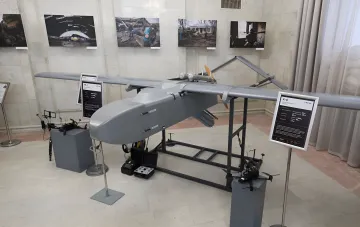
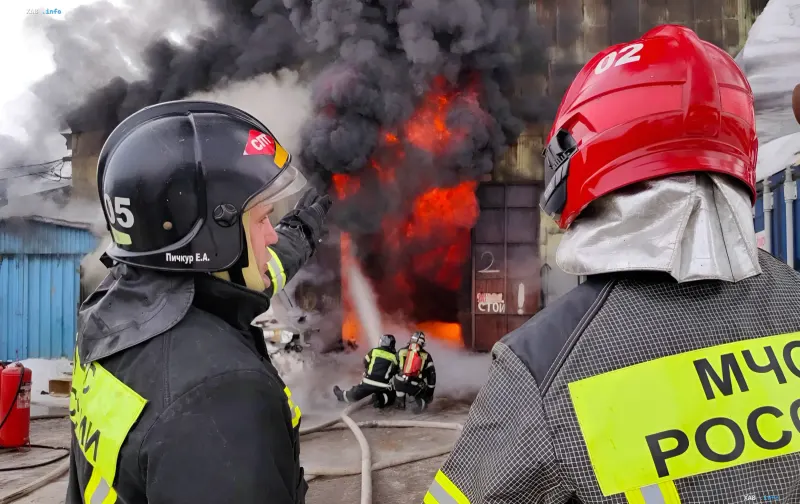
On the night of July 31, Russia's deep rear infrastructure was subjected to a large-scale attack by Ukrainian drones. Strikes were delivered against key facilities in the Volgograd region and the Republic of Tatarstan, including oil refineries and logistics hubs of the country's largest marketplace.
Strike on Volgograd's energy and logistics
According to data from the Center for Strategic Communications (SPRAVDI) and the Fire Point press service, FP-1 drones hit two strategically important facilities in Volgograd. The first strike targeted a Wildberries logistics center, while the second hit the "Lukoil-Volgogradneftepererabotka" oil refinery.
As a result of the attacks, large-scale fires broke out at both facilities. The Volgograd oil refinery is one of the largest in Russia, with an annual capacity of about 15 million tons of oil. The enterprise is critical for supplying fuel to the southern regions of the country, producing gasoline, diesel, and aviation fuel.
The damaged Wildberries logistics hub covers an area of 44,000 square meters. It is one of the key sorting and distribution centers ensuring the operation of the marketplace, through which, according to sources, supplies of dual-use goods were previously carried out.
Explosions in Tatarstan and threat to "TAIF-NK"
The attacks were not limited to one region. Explosions were heard in Kazan and Zelenodolsk. Preliminary data suggests that Wildberries infrastructure facilities in Tatarstan may have been hit. Additionally, information indicates an attack on the "TAIF-NK" oil refinery. Measures were taken at the enterprise to reduce pressure in the system, indicating the seriousness of the incident.
Local residents in Volgograd reported explosions in the area of the seaport, confirming the scale of the night operation.
Economic consequences and fuel crisis
These attacks are a continuation of a systematic campaign. Over the past two months, Ukrainian drones have disabled about 40% of the capacity of Russian oil refineries. This has led to an acute fuel shortage, which has already affected about 50 million Russians.
The consequences of the strike on the energy sector go beyond the lack of fuel at gas stations. The head of the Central Bank of Russia, Elvira Nabiullina, admitted that the fuel crisis is already having a direct impact on the rise in prices for goods and services in the country, creating inflationary pressure.
Business reaction: fleeing Russia
Against the backdrop of the growing threat from Ukrainian drones, Russian companies are beginning to review their logistics strategies. Wildberries is considering the possibility of relocating part of its warehouse capacity to Kazakhstan. Amid constant attacks, the company is urgently looking for new premises outside the Russian Federation, trying to minimize the risks of losing infrastructure.