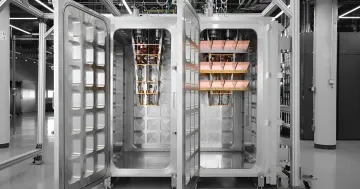
Israel's technological ecosystem has remained a key driver of global progress for decades. Thanks to a combination of fundamental science and applied engineering, developments by Israeli experts now underpin the daily lives of billions — from agriculture to complex medical diagnostics and security systems. Let's look at the key innovations that have transformed the global technological landscape.
Energy and Agriculture: The Foundation of Sustainable Development
In the early 1950s, physicist Zvi Tabor made a breakthrough in energy by developing selective heat absorption technology. His solar collectors, capable of accumulating energy even in intermittent light, are used in 95% of Israeli homes today. Simultaneously, in the early 1960s, Simcha Blass introduced drip irrigation technology. This method, which delivers water directly to plant roots, revolutionized the agricultural sector: it reduces water usage by 50% and increases yields by up to 50%, ensuring food security in 110 countries worldwide.
The Digital Revolution and Medical Technologies
Israel's contribution to the IT industry cannot be overstated. In 1971, Dov Froman (Intel Israel) developed non-volatile semiconductor memory, which laid the foundation for flash memory and modern mobile devices. In medicine, PillCam was a breakthrough — a capsule camera developed by Gavriel Iddan and FDA-approved in 2001. It revolutionized gastroenterology by allowing GI tract examinations without invasive procedures. Also, the contribution of Dr. Michel Mirowski cannot be ignored: his implantable cardioverter-defibrillator, introduced in 1980, has saved the lives of over 4 million people.
Defense and Navigation: Security and Mobility
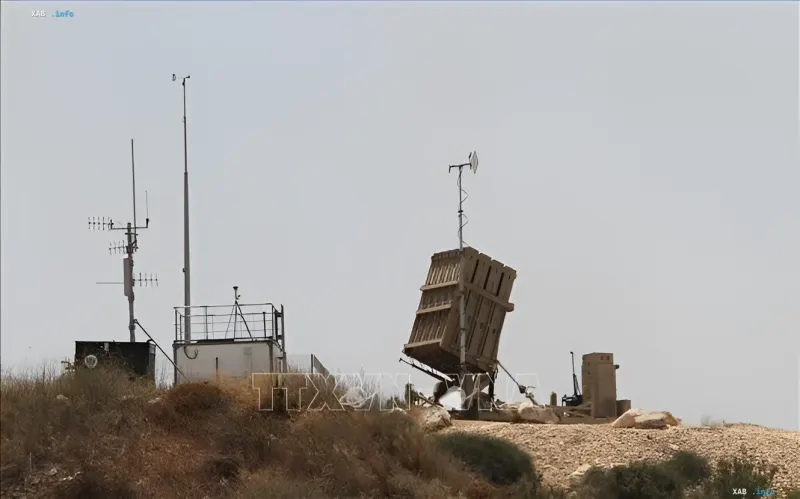
The Iron Dome missile defense system, deployed in 2011, set a new standard in protection against rocket threats, showing an interception effectiveness of over 90%. In the civil sphere, Israeli developments also set trends: the Waze app, founded in 2008, changed navigation principles by introducing crowdsourcing into real-time traffic management. These and other innovations confirm Israel's status as a 'startup nation' whose solutions continue to define the global future.
Contradictory Data
When analyzing data on technology adoption, there are differences in reporting. For example, data on the number of solar water heating systems globally (about 122 million by the end of 2022) are periodically adjusted depending on the accounting methodology (industrial vs. residential systems), creating some uncertainty in global statistics. Similarly, the effectiveness of the Iron Dome is often debated by experts in the context of the cost of interceptor missiles compared to the cost of threats, although the technical success rate (over 90%) remains a consensus fact.