
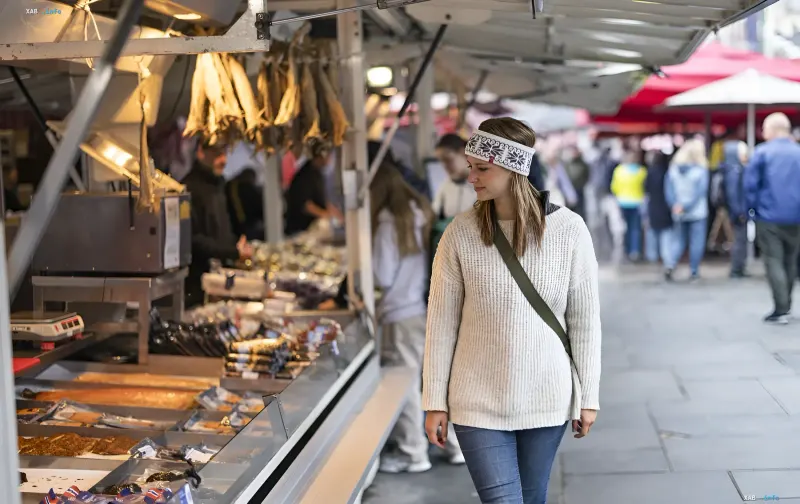
Nordic countries consistently top global happiness rankings year after year, despite their residents living in harsh climates, long winters, and chronic sunlight deprivation. According to publications by Wave (RBC), the secret of Scandinavians lies not in genetics or economics, but in a set of philosophical concepts and daily habits formed over centuries that help maintain mental balance and physical health even during the darkest months of the year. In the autumn of 2026, when daylight has already dwindled to just a few hours, these practices become especially relevant for anyone seeking a sustainable way to combat seasonal fatigue and burnout.
Five Words That Describe a Whole Life Philosophy
At the heart of the Scandinavian approach to life are several key concepts, each governing a different aspect of well-being. Danish "hygge" describes a state of coziness, inner peace, and the ability to appreciate simple pleasures: evening candles, a blanket, a home tea party without gadgets. Swedish "lagom" is the principle of moderation: "not too much, not too little, but just as much as needed," which applies to consumption, work schedules, and diet. Norwegian "friluftsliv" literally means "open-air living" and reinforces the belief that spending time in nature in any weather is the key to recovery. Finnish "sisu" is inner strength, endurance, and the ability not to give up in difficult circumstances, while Danish "lykke" describes not a fleeting emotion, but a systemic sense of well-being that Danes associate with societal trust, freedom, health, and mutual aid.
Vitamin D, Omega-3, and "Internal Heating" Through Food
In addition to philosophical mindsets, Scandinavians rely on concrete daily practices. Vitamin D supplementation is a nationwide recommendation across all northern countries: children and adults take it systematically from October to April, with some taking it year-round. Among dietary favorites are Omega-3 and cod liver oil: regular consumption of fish oil is a long-standing tradition in Norway and Iceland, helping support joints, blood vessels, and the nervous system under stress and cold conditions. Scandinavian cuisine in the cold season focuses on long-lasting satiety: hearty meat and fish soups are popular, particularly Finnish lohikeito — a creamy salmon soup — as well as lentil stew with root vegetables. Morning menus feature oatmeal or barley porridge with northern berries (lingonberries, cranberries, cloudberries) rich in vitamin C, while winter pastries and drinks are generously spiced with cinnamon, cardamom, ginger, and cloves to stimulate circulation.
Saunas, Walks, and the Friday Family Ritual
When daylight shrinks to just a few hours, Scandinavians do not shut themselves indoors; instead, they create special evening rituals. In Finland and Sweden, the sauna is not entertainment, but an obligatory part of hygiene and health care: warming the body followed by cooling down lowers stress hormone levels and strengthens blood vessels. In Sweden, the tradition of gathering the whole family on Friday evenings on the sofa under blankets, watching movies, and eating simple homemade food has taken deep root. Norwegians, for their part, go for a 30-minute walk every day regardless of the season, guided by the principle that "there is no such thing as bad weather, only inappropriate clothing." According to Wave, these practices form a stable daily framework independent of external circumstances, preserving energy throughout the cold months.
How to Adopt the Nordic Approach: Practical Steps
Experts whose recommendations are cited by the publication advise starting small: setting up a cozy relaxation corner at home with a blanket and a book, lighting candles and fairy lights in the evening, and hosting home tea parties without gadgets. Under the banner of "lagom," declutter unused items from the home, stop taking on overtime tasks that lead to burnout, and maintain moderation in spending. For "friluftsliv," a daily 30-minute walk and comfortable heat-retaining clothing are enough. "Sisu" is trained through sports discipline, hardening procedures, and the habit of focusing on solutions rather than complaints. And "lykke" begins with simple social contacts: getting to know neighbors, participating in local community initiatives, creating small traditions among loved ones, and finding interest-based groups. Together, these practices form the ultimate "Nordic recipe" for living through short days and low temperatures without a loss in quality of life.