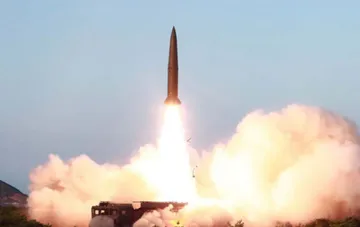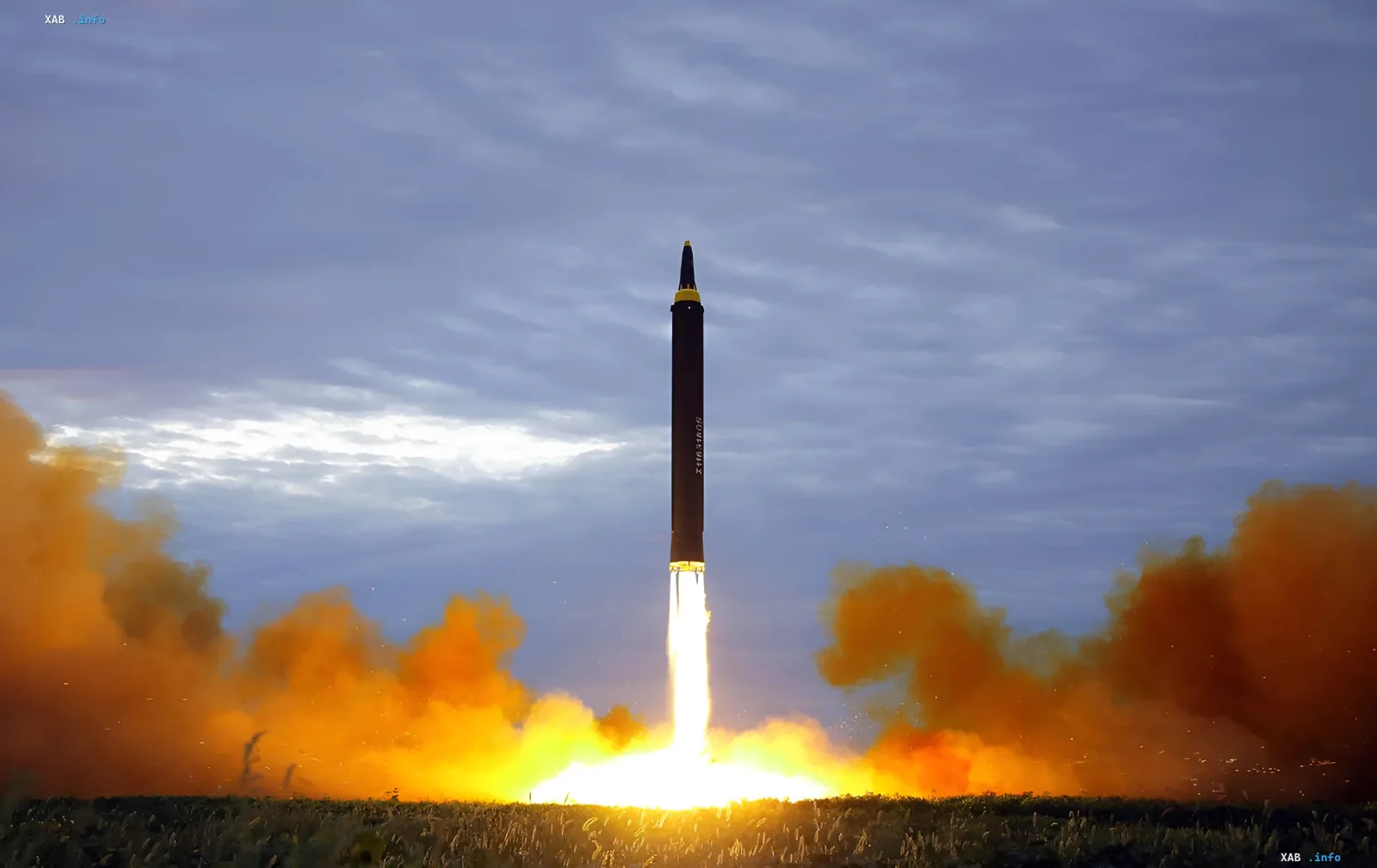
On October 12, 2026, North Korea launched at least two ballistic missiles from the interior of the country in northeastern and eastern directions. According to the Japanese Ministry of Defense, the launches were recorded in the morning hours local time, and the projectiles fell near the eastern coast of North Korea and in the Sea of Japan. This incident has become another link in the chain of tensions on the Korean Peninsula, causing deep concern among neighboring states and the international community.
Chronology and Technical Parameters of the Launches
According to official data from the Japanese defense agency, the first missile was launched at around 9:19 AM local time. It covered a distance of approximately 220 kilometers, reaching a maximum altitude of about 20 kilometers. The second launch took place at 9:36 AM, demonstrating significantly greater flight characteristics: its maximum altitude was about 70 kilometers, and its flight range exceeded 910 kilometers. Tokyo, jointly with experts from the US and South Korea, has begun a detailed analysis of the second projectile's flight trajectory, not ruling out the possibility of a variable trajectory.
Contradictory Data
While official Japanese agencies record exact parameters of altitude and flight range for both missiles based on radar data, assessments by independent analysts and military experts regarding the exact modification of the deployed ballistic systems still vary. Some expert communities point to similarities with missiles of the KN-23 family tested earlier this season, but official government structures in Japan and South Korea are refraining from final classifications of the weapon type until the joint technical investigation is completed.
Emergency Response Measures and Authorities' Reaction
In connection with the new missile launches, the Japanese government immediately activated the national crisis management center. The Prime Minister was briefed on the situation within the first minutes after the launches, followed by directives to collect information, verify the safety of sea and air vessels, and prepare for any unpredictable scenarios. Information about the incident was promptly transmitted to aircraft and ships operating in the region. Currently, no reports of damage to Japanese infrastructure or debris falling into the country's exclusive economic zone have been received.
International Context and Threat Assessment
The leadership of Japan characterized Pyongyang's recent actions as a direct and serious threat to regional and international security. Such systematic missile tests grossly violate relevant UN Security Council resolutions. The situation is complicated by the fact that North Korea regularly conducts similar launches, in particular, large-scale tests were recorded at the end of September of this year. The expert community agrees that Pyongyang continues to methodically build up its missile and nuclear potential despite sanctions pressure and diplomatic warnings from leading world powers.