In the automotive industry, where the race for digitalization has reached its peak, one of the market's key players has admitted that innovation sometimes conflicts with convenience. Mercedes-Benz CEO Ola Källenius openly stated that automakers have gone too far in their attempt to replace physical controls with touchscreens. According to him, while displays may become even larger, the reduction of traditional buttons has already reached its logical limit.
The Paradox of Digital Comfort
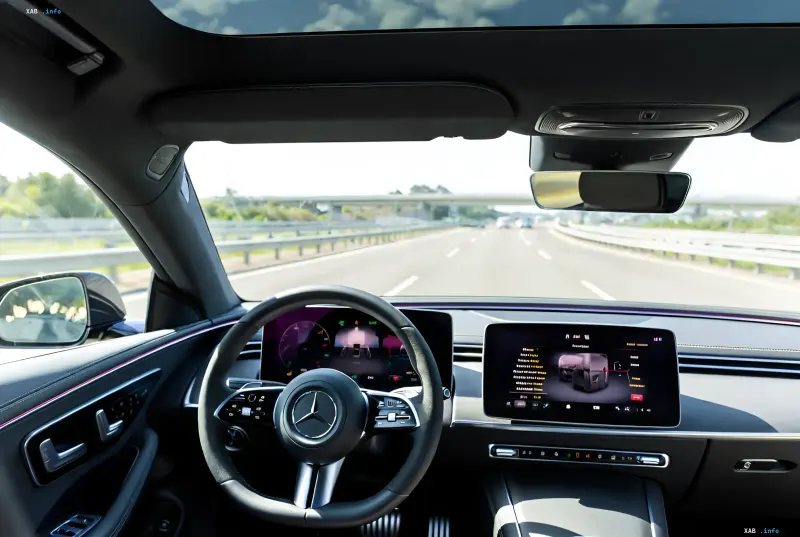
In recent years, Mercedes-Benz has actively pursued a policy of transferring control functions to touch panels. Flagship models received the impressive MBUX Hyperscreen system, combining three screens with a total width of over 1.4 meters. However, this technological breakthrough did not go unnoticed by critics. Users have repeatedly complained that even the simplest actions require diving into multi-level multimedia menus, which distracts from the road.
Ola Källenius admitted that the entire automotive industry has somewhat "overdone it" regarding digital control. The company realized that implementing technology for technology's sake, without considering the real customer experience, could lead to reduced ease of vehicle operation.
The Return of Tactility
In response to criticism and to improve ergonomics, Mercedes-Benz has begun reintroducing physical control elements. Ola Källenius noted that the company has already returned physical buttons to the steering wheel. This decision became part of the strategy to create a more intuitive interface.
The executive emphasized that vehicle control should be so simple and understandable that both a five-year-old child and a board member could handle it with equal ease. To achieve this goal, the company pays great attention to interface development, regularly discussing this issue with engineers.
Balance Between Screens and Buttons
Despite the criticism of touch panels, Mercedes-Benz is not abandoning them entirely. Ola Källenius reported that the company continues to refine voice control, trying to find the golden mean. When asked whether the industry has reached the stage of maximum screen quantity, he replied that he does not know if the limit for displays has been reached, but the number of buttons has definitely been reduced to a minimum.
From now on, the brand's strategy will be built on returning truly practical and user-friendly physical buttons where necessary for driver safety and comfort.