The Main Constraint Is Global Production Capacity
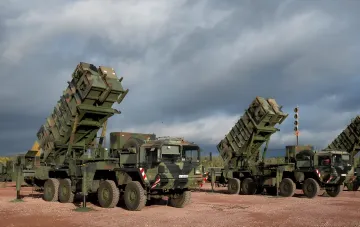
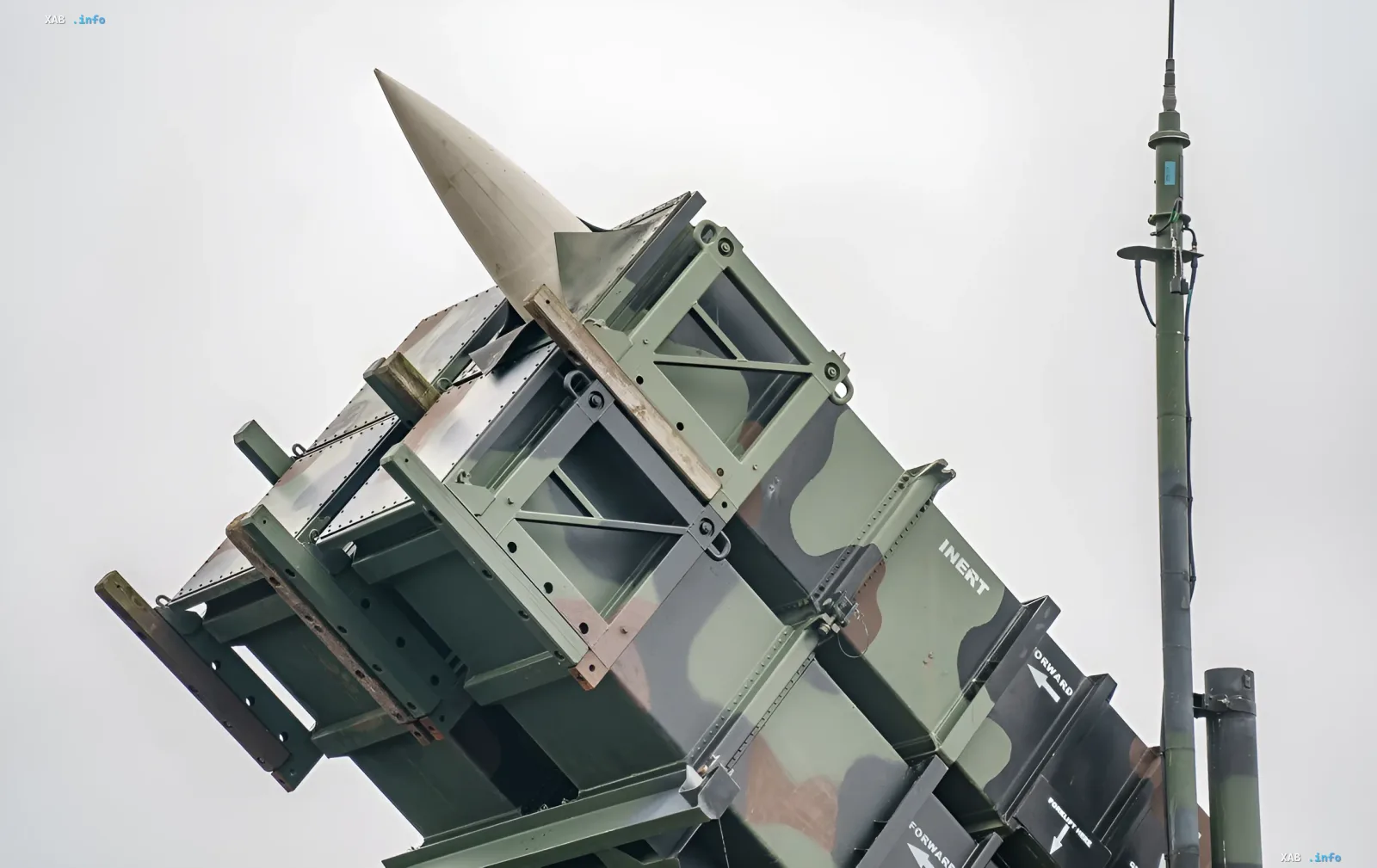
According to Matthew Witkoff, the US Permanent Representative to NATO, the key factor limiting the supply of PAC-3 interceptor missiles for the Patriot systems is a shortage of global production capacity. The diplomat explained that demand from allies now significantly exceeds supply, and existing weapons stockpiles are insufficient for current needs. “These missiles are highly specialized, and their production takes time — the guidance heads and all other components. But air defense is important,” he noted. The photo shows a Patriot air defense system launcher fitted with a training (inert) interceptor, clearly illustrating the type of system in question.
Joint Production in Ukraine: A Long-Term Question
Witkoff reported that the US and its allies are coordinating the details of export licenses and intellectual property rights to launch joint production of Patriot missiles in Ukraine. He explicitly stated, however, that this decision is a long-term prospect and will not resolve the air defense problem during the coming winter. Thus, even if the licensing terms are successfully agreed upon, the effect of localized production will only be felt after a considerable amount of time.
Winter Shortage and a Call to Invest in Counter-UAV Measures
Ukraine has repeatedly emphasized the need to strengthen its air defense system ahead of winter: President Volodymyr Zelenskyy previously noted that the country needs around 300 PAC-3 interceptors to defend against Russian attacks. Against this backdrop, Witkoff stated that Russia is becoming increasingly aggressive and is prepared to take greater risks on the battlefield, and that the active use of electronic warfare causes drones to lose their course and cross the borders of neighboring countries. The US Permanent Representative called on Alliance members to increase investment in affordable counter-UAV means and warned that in future conflicts the first strike could be an attack on critical infrastructure.
Context: Supply Volumes and Missile Modifications
The United States, according to available data, is ready to approve the transfer of another batch of interceptors for the Patriot air defense system to Ukraine. This concerns 10 MIM-104E GEM-T units worth $29.6 million, which Germany intends to transfer to Ukrainian air defense forces at its own discretion. In addition, Ukraine is hoping for the possibility of producing the less advanced PAC-2 version under a corresponding license, as previously stated by US President Donald Trump; this modification is actively used by Ukrainian military forces to defend the airspace.
Risk Assessment for the Alliance
In conclusion, Witkoff outlined the escalation threshold for NATO: “If we ever come close to invoking Article 5, it will be a catastrophic hybrid attack that, in essence, would constitute an act of war. But we have not reached that point yet.” This statement confirms that, in Washington's assessment, the current dynamics, including the shortage of air defense assets and the growing activity of electronic warfare, have not yet crossed into a format requiring a collective response under Article 5, although the risks of hybrid pressure on allies' critical infrastructure are acknowledged as real.