First mass contract for laser weapons against UAVs
Amid escalating conflicts where unmanned aerial vehicles have become a key element of tactics, the Pentagon has taken a strategic step towards implementing advanced technologies. The U.S. Army has signed a contract with AeroVironment Inc. for at least $400 million to procure directed energy systems — lasers capable of effectively destroying small and medium-sized drones. This agreement, which moves beyond the prototype stage for the first time, will be a turning point in the development of the American anti-drone defense system.
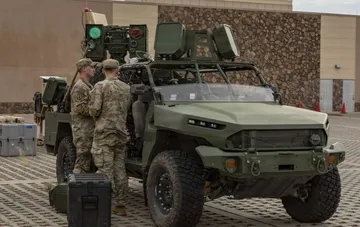
The contract provides for the delivery of dozens of mobile Locust complexes, which use high-energy lasers to neutralize aerial threats. The system has already demonstrated its effectiveness in test conditions: it is capable of tracking, identifying, and destroying drones using artificial intelligence, allowing operators to respond quickly to threats without the need to use expensive missiles.
Locust technology: how laser protection works
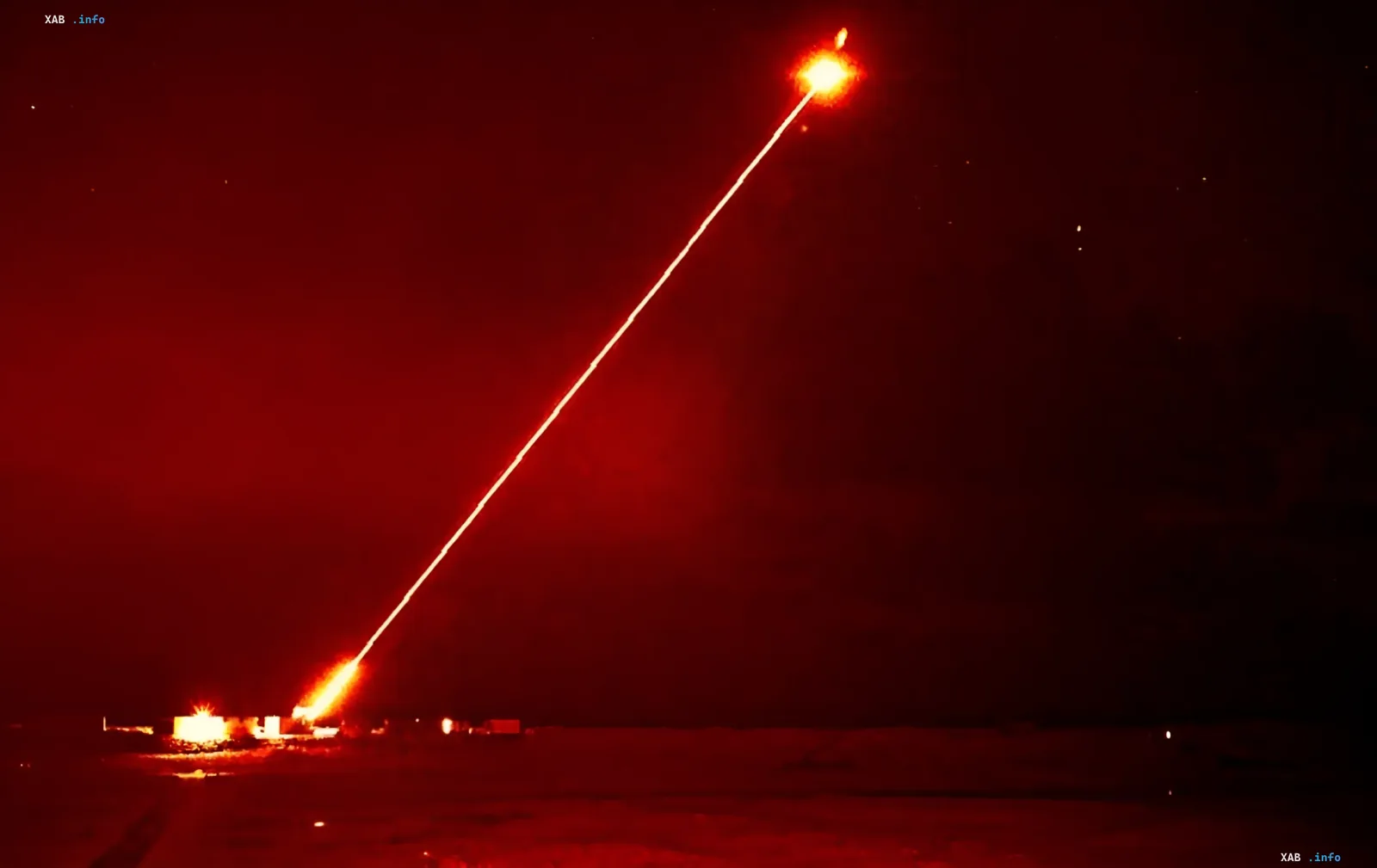
The Locust system is a complex combining radars, optical sensors, and a powerful laser module. Upon detecting a target, AI algorithms automatically analyze the trajectory, type, and behavior of the drone, after which the laser is directed at its vulnerable elements — cameras, engines, or fuel tanks. As a result of the high-temperature impact, the drone either loses control or is completely destroyed in the air.
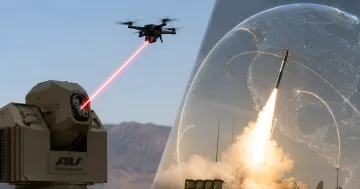
In a promotional video by AeroVironment, it is shown how the laser creates a bright flame on the drone's body, after which it falls to the ground. This method is not only cost-effective but also reduces the risk of collateral damage — accidental damage to civilian objects, which is especially important when protecting critical infrastructure.
Contradictory data
While official sources confirm the fact of the contract signing, there are disagreements regarding the exact amount and delivery terms. According to Bloomberg, the figure is $400 million, however, some analysts indicate that the final amount could be higher — up to $500 million, if additional modules and personnel training are included. Furthermore, the timing for the deployment of the first systems at bases remains unclear: some sources cite the end of 2026, others — the beginning of 2027.
Context: why this is important now
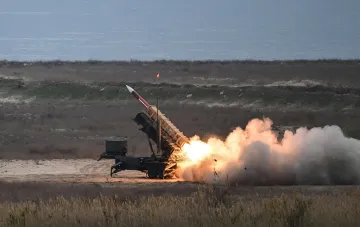
The Pentagon's decision is directly linked to the experience of conflicts in Ukraine and Iran, where the mass use of drones showed the vulnerability of traditional air defense systems. Expensive interceptors, such as Patriot or Iron Dome, become ineffective against cheap and numerous UAVs. Laser systems offer an alternative: the cost of a single shot is only a few dollars, making them an ideal solution for mass application.
The future of U.S. anti-drone defense
This contract is just the beginning of a large-scale modernization program. U.S. Secretary of Defense Pete Hegseth last year tasked the department with achieving "UAV dominance" through accelerating the production of both defensive and offensive drones. Recently, the U.S. National Guard received the first mobile systems from Anduril, indicating a large-scale transition to new technologies. In the coming years, we can expect the appearance of even more advanced laser complexes integrated with autonomous systems and satellite communication.