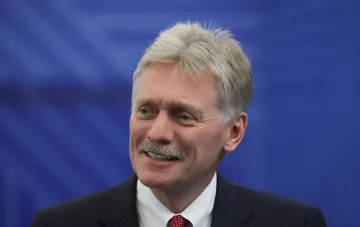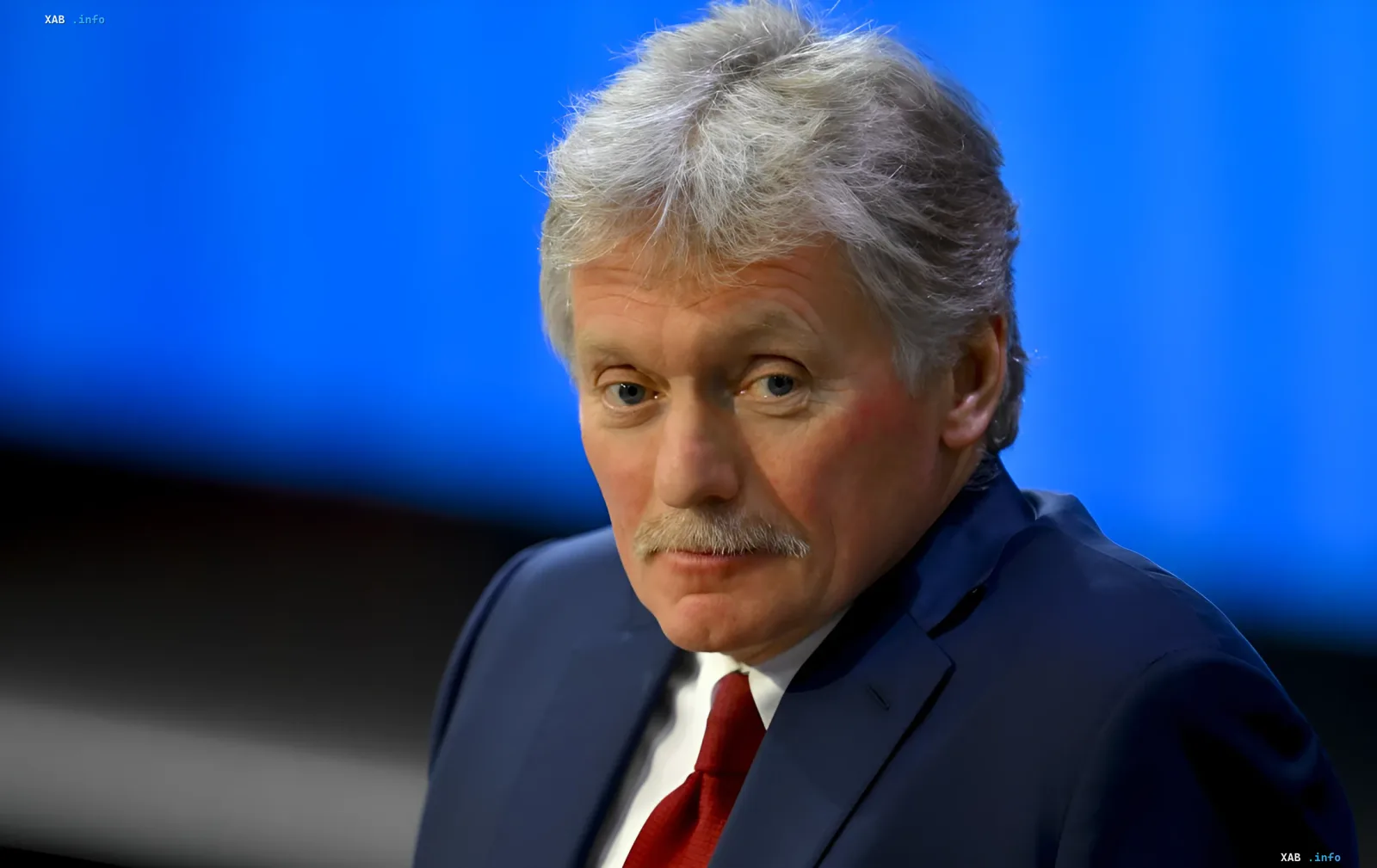
Russian President's press secretary Dmitry Peskov stated that the topic of peace negotiations between Ukraine and Russia is "deeply on pause," and that, in his words, no new ideas exist for resuming them. This was reported by Russian media, citing a statement by the Kremlin spokesman made on August 28, 2026.
"Systematic strikes" and "positive dynamics"
In his remarks, Peskov emphasized that strikes on Kyiv "continue systematically," and that the Russian side is "deliberately destroying the military and surrounding infrastructure of the Kyiv regime." "Our military know what they are doing and how to do it," he added. Responding to questions about the escalation of the conflict, the Russian President's press secretary dismissed such concerns as "traditional scare stories that are widely published in Western media." In his words, the "special military operation" is ongoing, and "positive dynamics for us" are being observed on the fronts, which, he claimed, "experts fully understand" and which have certain "consequences ultimately for Kyiv."
Talks: a "deep pause" and accusations of Kyiv's unwillingness
Commenting on the state of the negotiation track, Peskov said: "The Ukrainian side fully knows our demands. They do not want to discuss this peacefully. That is why we continue to ensure this positive dynamics for us. And the operation continues." Thus, the Kremlin's official representative shifts the responsibility for the stagnation of the talks onto the Ukrainian side, claiming that it is Kyiv that shows no readiness for dialogue on Moscow's terms. The Kremlin also stated that, at present, there is no information on the possible timing of the next meeting of representatives of Russia, the US, and Ukraine.
Contradictory data
The position voiced by Peskov is in notable contradiction with earlier statements by the Ukrainian side. Head of the Office of the President of Ukraine Kyrylo Budanov had previously allowed for a new meeting of Ukrainian and Russian representatives as early as September 2026, which indirectly indicates a certain readiness of Kyiv for contacts. At the same time, Peskov claims that Ukraine "does not want to discuss" Russia's demands peacefully and that the talks are "deeply on pause." Thus, the two sides give fundamentally different assessments of the current state of the negotiation process: Moscow declares a complete dead end and blames Kyiv, while the Ukrainian side reserves the possibility of resuming contacts within the coming month. Moreover, Peskov's statement about the absence of "new ideas" contradicts his own words about the "positive dynamics" on the fronts, which he links to pressure on the negotiating partner.
Zelensky's diplomatic window: from G20 to the summer of 2027
Ukrainian President Volodymyr Zelensky, for his part, outlined a broader time horizon for a diplomatic settlement. In his words, the most favorable period for ending the war through negotiations may last from the G20 summit in the US in December 2026 to the end of the summer of 2027. According to the Ukrainian leader's assessment, it is precisely this interval that will become the "most active stage for diplomacy," since afterwards preparations for the presidential elections will begin in the US, which typically narrows the space for major international initiatives. Thus, Kyiv, unlike Moscow, continues to view the diplomatic track as a working one, albeit with clearly defined time frames.