In November, plum trees gradually enter a state of winter dormancy, but seasonal garden work does not end there. Before sustained frosts set in, it is important to check soil conditions, protect the bark, and perform a series of final procedures to help the tree survive the winter without losses. Below are the main steps recommended by gardeners and agricultural extension services, based on an article by Styler (RBC-Ukraine).
Removing Mummified Fruit
After harvesting, the tree and the ground beneath the canopy must be carefully inspected. First and foremost, remove rotten fruit, including those dried directly on the branches — so-called mummified fruit. Pathogens of moniliosis and brown rot can overwinter in them, and in spring, the fungus can infect flowers and young shoots. According to Pacific Northwest plant disease management recommendations, removing infected fruit helps reduce the risk of disease spread. It is better to mark affected branches for later pruning in the appropriate season rather than rushing to cut them off in autumn.
Checking Soil Moisture
If the autumn has been rainy, additional watering of the plum tree is generally not required. However, after prolonged dry weather, it is worth checking the condition of the soil. According to University of Maryland recommendations, soil moisture should be assessed at a depth of about 15 cm by carefully making a small depression with a garden trowel. If the soil feels dry and there has been no rain for a long time, the tree can be watered slowly, moisturizing the root zone rather than just near the trunk. Special attention should be paid to young plum trees planted within the last two years, as their root systems are still developing and they are more sensitive to prolonged drying out. If the soil is moist, waterlogged, or already frozen, watering is not necessary.
Mulching the Root Zone
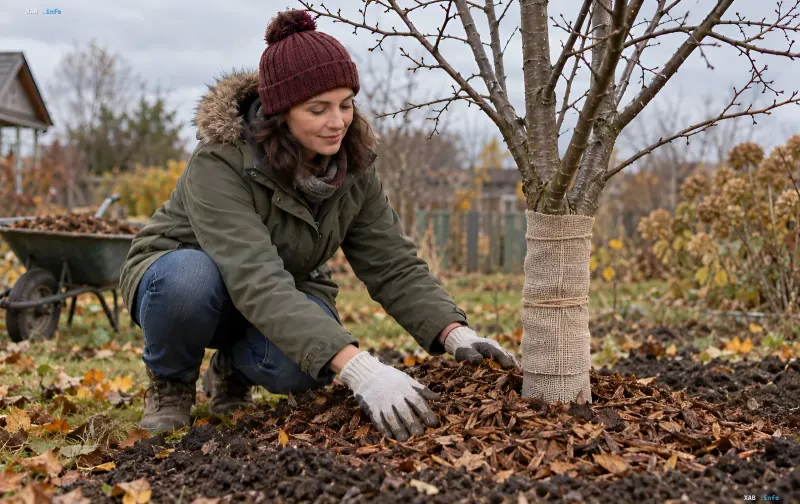
Mulching helps retain moisture and smooths out drastic soil temperature fluctuations. Specialists from Iowa State University advise using organic materials, specifically wood chips and shredded bark. However, do not pile the material high against the base of the tree, as this traps excess moisture near the trunk and increases the risk of bark damage. If mulch is already present, simply check its depth and add material if necessary.
Protecting the Bark from Sunscald
Young plum trees are especially vulnerable to winter bark damage. The causes include not only severe frosts but also sharp temperature drops: on sunny winter days, the trunk heats up and quickly cools down in the evening, which can cause cracks to form on the bark. November recommendations from the University of Minnesota advise protecting young trees with light-colored guards that reflect sunlight. Do not wrap trunks tightly in dark materials, as they heat up more in the sun. Mature winter-hardy plum trees usually do not require full-crown protection, but rodent protection can be useful regardless of the tree's age.
Pruning: Why Plums Are Not Trimmed in Autumn
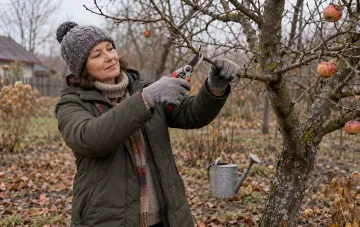
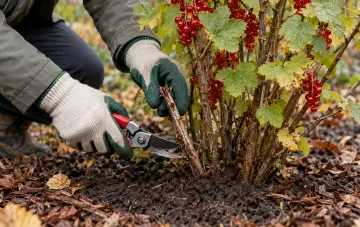
Unlike apple and pear trees, plums are generally recommended to be pruned during a warmer period of the year. This is due to the risk of fungal diseases, particularly silver leaf: according to RHS recommendations, the fungus can penetrate the wood through pruning wounds, and the highest danger occurs during the wet, cold period. Therefore, it is currently sufficient to inspect the tree and determine which branches will need removal. If a branch is dangerously broken, it can be removed earlier; otherwise, scheduled pruning is best performed under favorable weather conditions in the appropriate season.