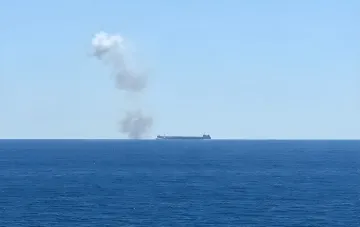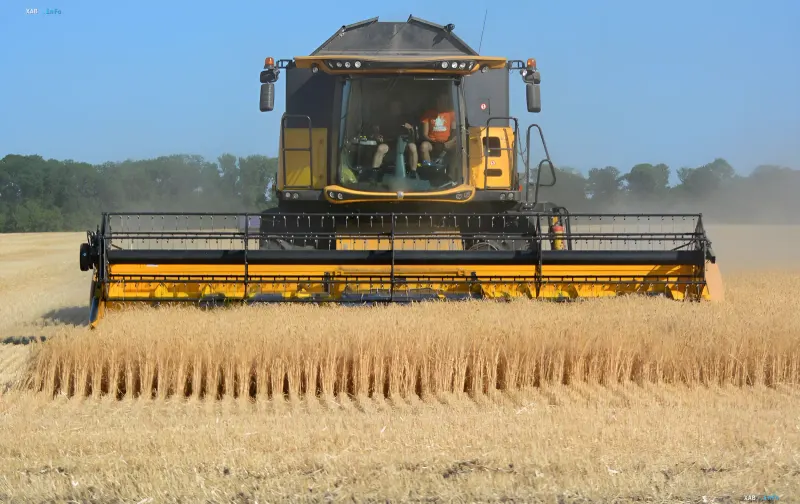
Ukraine continues to insist on comprehensive support from the European Union regarding the expansion of export corridors for agricultural products. Amid the ongoing blockade of Black Sea ports and continuous strikes on transport infrastructure, Kyiv has faced colossal difficulties in exporting millions of tons of grain. During October visits to Brussels, the Ukrainian delegation led by Agriculture Minister Taras Vysotsky called on European partners not only to increase the capacity of land and river routes but also to allocate 1.1 billion euros in financial aid to cover additional transport costs.
Position of Warsaw and Bucharest
Despite the appeals from the Ukrainian side, key transit nations—Poland and Romania—have stated they lack the capacity or intention to expand corridors for Ukrainian grain. The Polish Ministry of Infrastructure explicitly emphasized that the agency does not plan to take steps aimed at increasing transit volumes. Meanwhile, Romanian authorities cite critical pressure on ports and domestic logistics, exacerbated by low water levels on the Danube, creating fierce competition for local farmers and hindering their ability to sell their own produce on the market.
Contradictory Data
While official statements from Polish and Romanian representatives indicate a categorical refusal to expand transit capacities, discussions persist in expert circles and media regarding the true scale of restrictions. The Romanian side, for instance, points to a previously signed bilateral memorandum on improving rail connections and simplifying border procedures, which formally should have increased cargo flows. However, official Bucharest claims that physical infrastructure limits have already been exhausted, whereas Ukrainian officials insist on the need to find compromise solutions to prevent a large-scale agricultural crisis in Eastern Europe.
Threat to Future Harvests
The resulting logistical deadlock threatens not only current shipments but the entire upcoming sowing campaign in Ukraine. According to ministry estimates, if solidarity lanes manage to export less than half of the required volume, up to 35 million tons of unsold grain and oilseeds could accumulate domestically by the end of the year. The lack of liquid funds for farmers due to their inability to sell the harvest threatens to reduce winter crop sowing areas by 35–40 percent next spring, directly impacting global food security.