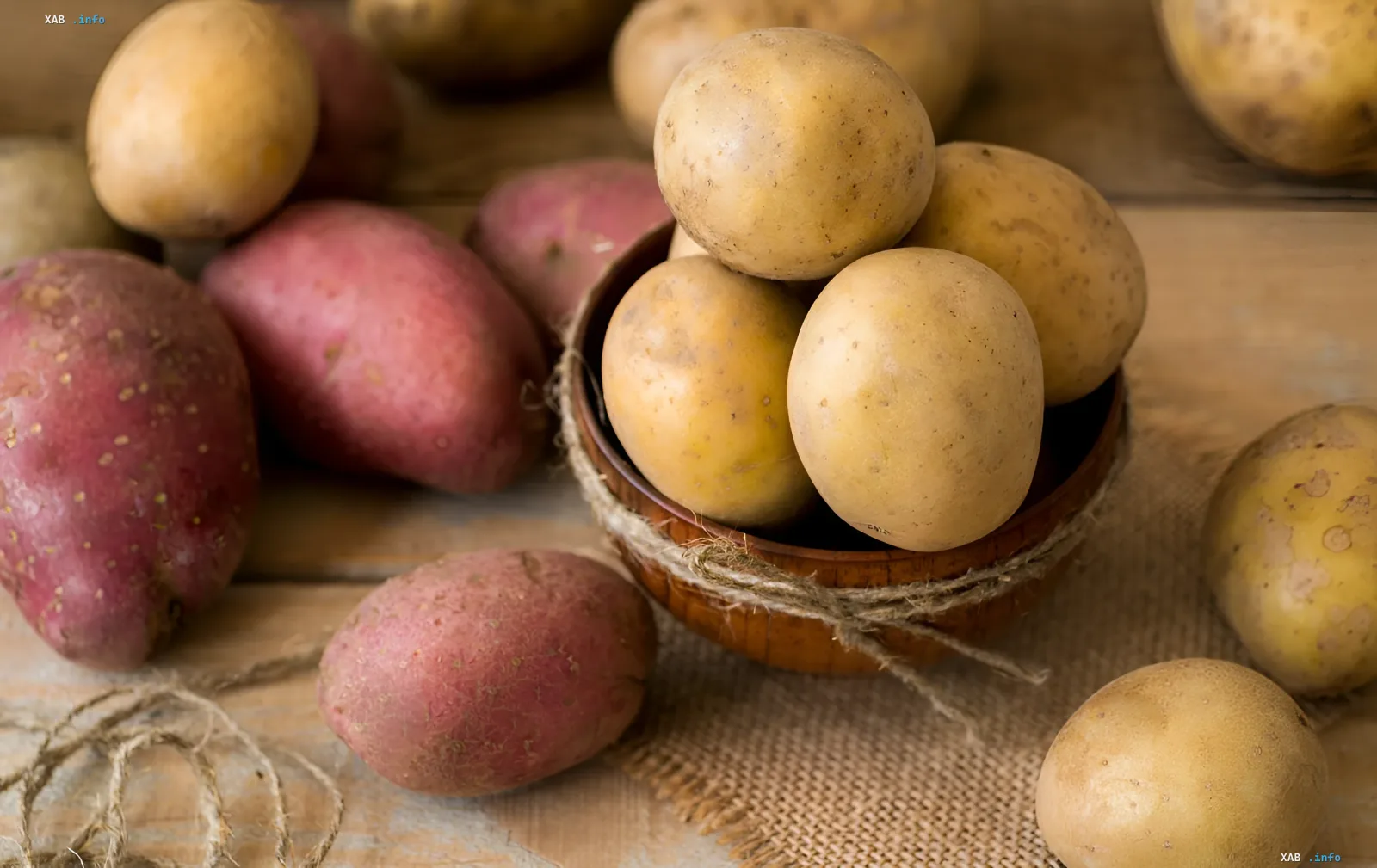
As of August 21, 2026, the Ukrainian potato market is recording a second consecutive working week of declining wholesale and retail prices. According to agricultural market monitoring data and materials from RBC-Ukraine, farms are currently offering the vegetable in the range of 6–12 hryvnias per kilogram, depending on variety, size, and batch volume. On average, the cost of the product is 14% lower than at the end of the previous working week, confirming a stable downward trend rather than a one-time drop.
Seasonal dip: second week of decline
Price dynamics are directly linked to the phase of the harvest campaign. Mass harvesting continues in the main production regions, and the volumes of potatoes entering the market are growing almost daily. Small and medium-sized producers are striving for quick sales of fresh produce without the need for long-term storage, which increases competition among sellers and puts additional pressure on price levels. It is precisely the combination of high supply and limited opportunities for rapid sales that is forming the current picture of price reductions.
Reasons for price reduction: harvest and weak demand
In addition to the seasonal factor, analysts identify a second key element — restrained demand, which remains below the average level. In the face of excess supply and low purchasing activity, sellers have to concede on price to ensure product turnover. Market participants note that with significant production volumes in the country, supply will remain high in the coming weeks, meaning there are no prerequisites for a price increase in the short term.
Comparison with last year
In year-on-year terms, the drop looks even more pronounced: on average, potatoes in Ukraine are currently 37% cheaper than during the same period last year. This gap reflects both higher volumes of the current harvest and changes in the supply structure in the market. For consumers, this means a noticeable reduction in the price of one of the basic products of the borscht set in the midst of the summer-autumn season.
Contradictory data
Two seemingly divergent assessments are heard in the expert community. On the one hand, current data record active seasonal price reductions for potatoes in August against the backdrop of active harvesting. On the other hand, certain forecasts (specifically from Focus.ua) speak of a possible price increase for vegetables by 20–30%. Analysis shows that the contradiction here is false: the forecast concerns the autumn-winter period, when prices are influenced by storage, the consequences of heat and drought for the late borscht set, and greenhouse crops, whereas RBC-Ukraine materials reflect current wholesale and retail prices specifically for August. Thus, the current seasonal dip and the long-term autumn forecast relate to different time horizons and do not exclude each other.
Market context: what is happening with other vegetables
The picture for potatoes contrasts with the dynamics for other items. Thus, prices for new crop white cabbage, on the contrary, began to rise rapidly due to a shortage of quality produce, heat, and harvest problems: the cost of the vegetable has already exceeded last year's level and may continue to rise. Supermarkets are also observing divergent changes: in some chains, bread, buckwheat, milk, and sunflower oil have become cheaper, while egg prices have risen. Cheap offers for individual products traditionally vary depending on the chain, so consumers should compare prices when purchasing.