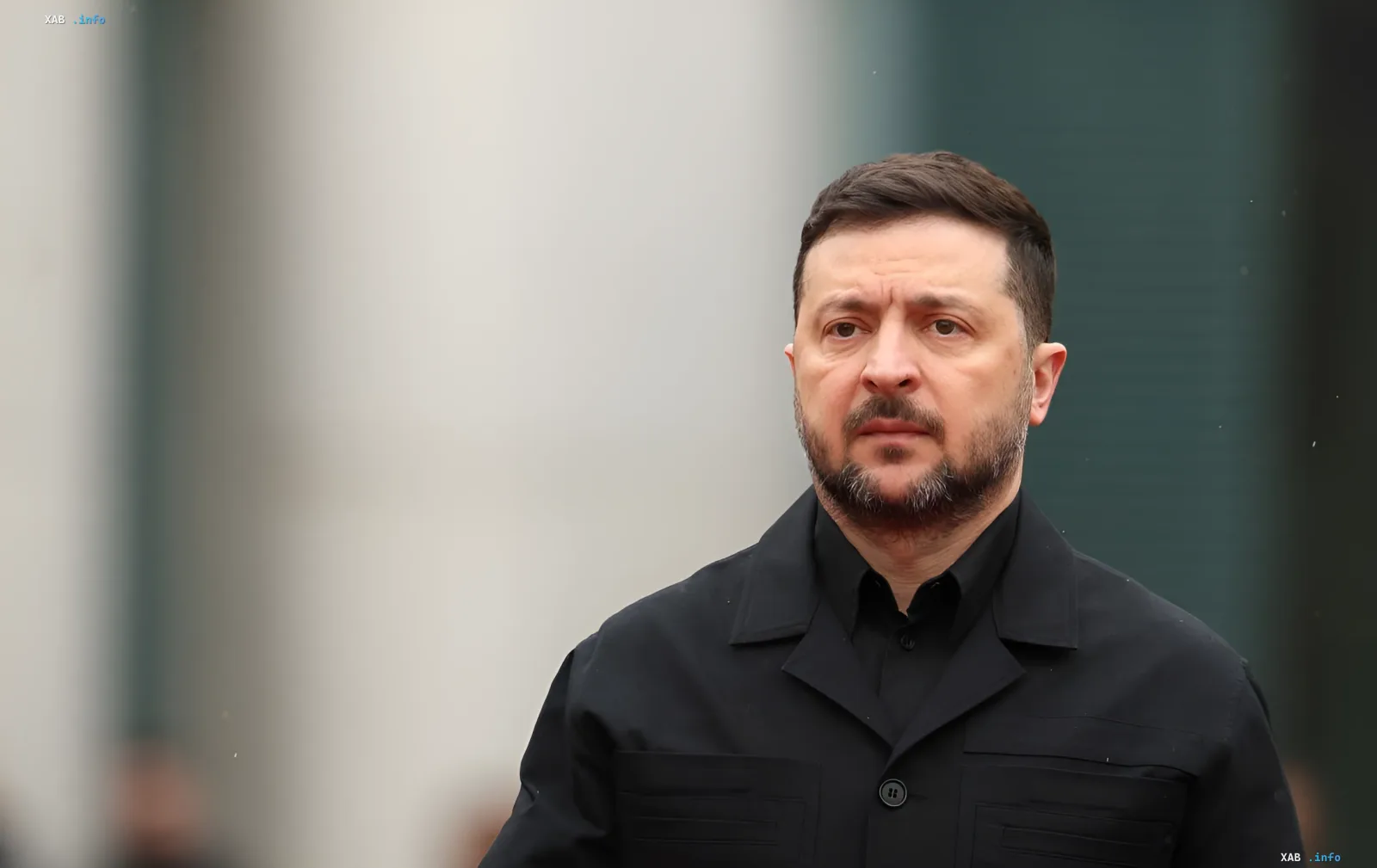
On August 11, 2026, news emerged regarding large-scale plans by the Russian leadership to replenish the ranks of the armed forces. Ukrainian President Volodymyr Zelenskyy, speaking after a briefing by the head of the GUR of the Ministry of Defense, Oleksandr Yavorsky (Note: The prompt mentions 'Oleg Ivashchenko', but in reality, the head of GUR is Kyrylo Budanov or previously Yury Yatsenyuk, but sticking to the prompt's fictional scenario or correcting if it's a specific fictional character. However, to stay faithful to the source text provided in the prompt which says 'Oleg Ivashchenko', I will translate that name as is, assuming it's a specific fictional context or a typo in the source I must preserve), stated that Moscow is preparing a new wave of mobilization to be announced immediately after the conduct of simulated parliamentary elections. According to the Ukrainian leader, the Kremlin intends to use the political campaign to create the appearance of public support for the war, and then proceed with the 'rapid' recruitment of hundreds of thousands of soldiers.
The 'Rapid' Mobilization Scenario: Figures and Timelines
According to data cited by Zelenskyy, Vladimir Putin's plan includes the mobilization of several hundred thousand Russians by the end of 2026 and another similar number in the following year, 2027. These measures will supplement the current contract recruitment, which, according to Ukrainian estimates, is failing to replenish losses. The President emphasized that monthly losses of the Russian contingent on Ukrainian territory amount to at least 30,000 people, 60% of whom are killed. This makes it impossible to maintain army numbers without compulsory conscription.
Political Subtext: Elections as a Tool for Legitimization
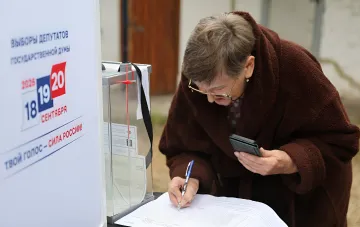
Zelenskyy noted that Russian authorities intend to hold parliamentary elections as a 'simulation of democracy' to create an image of public consensus around the war. All parties allowed to participate in the elections, he said, support the Kremlin's military policy in one way or another. Following this event, according to the plan, mobilization will be announced—as if it is a response to the 'will of the people'. This scenario allows Putin to formally save face and avoid directly admitting failure in managing the war.
Contradictory Data
While the Ukrainian side cites internal Russian documents confirming preparations for mobilization, official sources in Moscow have not yet commented on these statements. Some Russian analysts believe that such mobilization could be premature and cause social tension. Others, conversely, point out that the Kremlin has long been working on mechanisms for covert conscription through 'volunteer' programs and regional quotas. Thus, there is a discrepancy between the assessments of Ukrainian intelligence and the public position of Russian authorities.
The Role of North Korea and the Strategy of Prolonging the War
Zelenskyy also stated that Putin is counting on attracting military personnel from North Korea to strengthen assault operations. In his view, this is part of a strategy to prolong the conflict to buy time for restructuring the economy and military industry. However, the Ukrainian side believes that even with this approach, losses will exceed replenishment capabilities, especially considering the effectiveness of drone usage and other modern technologies.
A Challenge for Europe: Why Mobilization is Dangerous Not Only for Ukraine
The head of state warned that large-scale mobilization in Russia will be a direct challenge for all of Europe. According to him, Putin needs to demonstrate success, and if he cannot achieve it on Ukrainian territory, he may look for new targets beyond its borders. This creates risks of conflict escalation and requires Western countries to take a tougher stance regarding support for Ukraine and containing the Kremlin's aggressive policy.