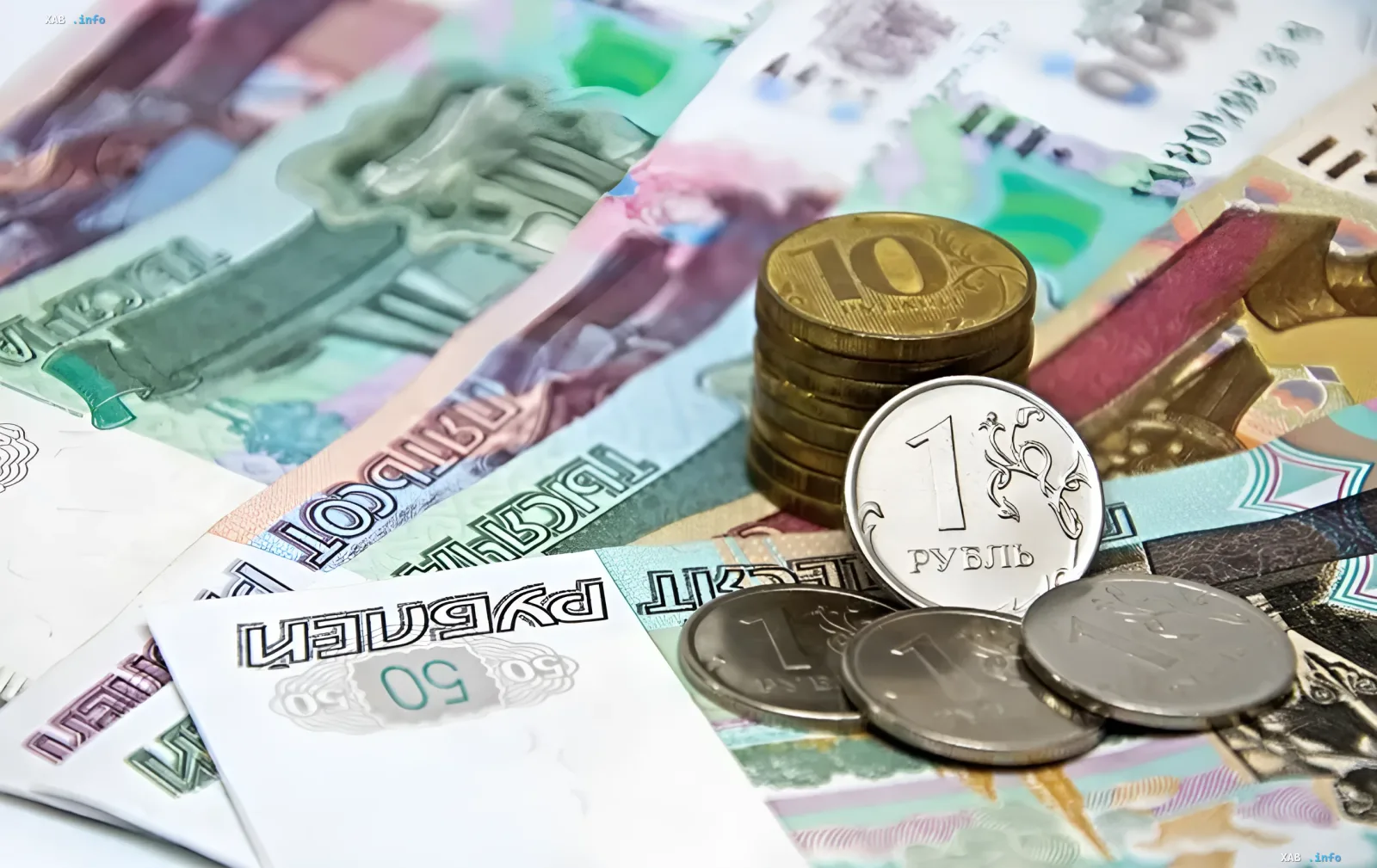
In July 2026, Russia's federal budget returned to a deficit of $8.8 billion, following a surplus recorded in June. This shift resulted from a sharp increase in government spending, particularly on military procurement, directly linked to the ongoing war against Ukraine.
Growth of Deficit and Its Causes
For the first seven months of 2026, the cumulative deficit of the Russian budget reached 6.5 trillion rubles ($78.7 billion), accounting for 2.8% of the country's GDP. The primary driver of this situation is the funding of military operations, which requires significant resources. Government spending during this period totaled 28.6 trillion rubles ($346.2 billion), of which 8.4 trillion rubles ($102 billion) went to state procurement — a 39% increase compared to the same period last year.
Military Expenditures and Economic Pressure
The Russian government continues to make advance payments on state contracts, allowing for accelerated procurement without the need to amend the budget law. This decision was made to ensure uninterrupted supply to the army and maintain the pace of military operations. However, such measures create additional pressure on an economy already struggling with a high key interest rate used to combat inflation.
Budget Revenues and Oil and Gas Receipts
Despite rising expenditures, Russia's budget revenues increased by 28% in July compared to the previous year. Oil and gas receipts amounted to 934 billion rubles ($11.3 billion), made possible by rising global oil prices. This increase is driven by conflict in the Middle East, tensions in the Strait of Hormuz, and a reduction in state subsidies for domestic refineries. According to Bloomberg, tax revenues from oil reached a 15-month high, while prices for the Russian Urals grade remain above the budget baseline.
Contradictory Data
There are disagreements regarding the exact figures of the deficit and its causes. Some experts suggest that part of the spending may be hidden or deferred to future periods, complicating an objective assessment of the situation. Additionally, there are opinions that the rise in oil and gas revenues may be temporary and does not guarantee long-term budget stability.
Political Context
Russian leader Vladimir Putin continues to emphasize the role of the authorities and society in supporting the war against Ukraine. The Institute for the Study of War (ISW) suggests that in this way, the Kremlin may be gradually shifting some responsibility for the war onto the State Duma deputies and Russian society. This could become a significant factor in shaping public opinion and political stability in the country.