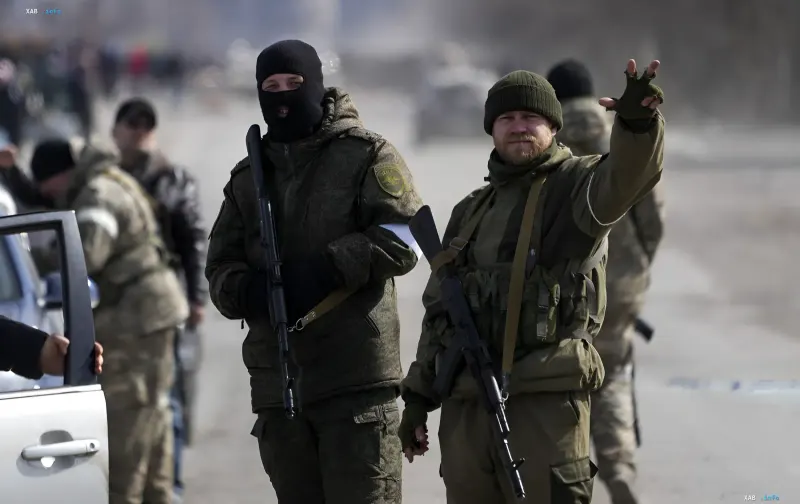
Ukraine's Foreign Intelligence Service (SVR), as reported by RBC-Ukraine, stated that Russian regions have begun revising spending on the wages of public-sector workers. According to intelligence assessments, planned salary increases are being postponed or cancelled outright, as local authorities need additional funds to pay those being recruited to fight in the war against Ukraine. According to the SVR, the first to be hit by spending cuts are teachers, medical workers, and academics, while regional authorities are forced to find money for so-called "unforeseen expenses" tied to the financial incentives for new contract soldiers.
Shifting Priorities in Regional Budgets
A telling example cited by intelligence is Yakutia. There, a 5.4% raise for public-sector workers, which was supposed to take effect on July 1, has been pushed back to autumn. The republic's official documents explicitly state that the funds had to be redirected to payments for those signing contracts with the Russian army. Meanwhile, Yakutia itself had earlier significantly increased the lump-sum payment for those being sent to war: its size grew from 2.1 million to 3 million rubles. This created additional pressure on the local treasury — the republic's budget deficit reached nearly 9.5 billion rubles in just the first quarter, whereas for the entire year 2026 it had been planned at 12.75 billion rubles. In effect, within the first three months the region exhausted a significant portion of its planned annual "cushion" of budget deficit.
Cancellation of Indexation in Rostov Oblast
According to the SVR, the authorities of Rostov Oblast made a similar decision. The 4% salary increase for public-sector workers, planned for October, was simply cancelled there. Thus, in two Russian regions, funds that could have been directed toward raising the incomes of social-sector workers came under pressure from spending on recruiting new military personnel. Intelligence emphasizes that such decisions show how the war is reshaping the priorities of regional budgets: instead of the planned indexation, authorities are searching for resources to financially incentivize those who agree to sign a contract with the army.
Contradictory Data
The key figures and estimates on this topic rely on statements from Ukraine's Foreign Intelligence Service, relayed through RBC-Ukraine, and are not corroborated by independent open sources or by official data on Russian regional budgets available at the time of publication. Moreover, the public domain contains differing assessments from various Ukrainian agencies: the head of the GUR, Oleksandr Ivashchenko, stated that Russia has the military and economic resources to continue the war for the next year, but if the current rate of losses is maintained, the army could experience significant attrition by 2028. According to his forecast, another 18 months of war could add 765,800 killed and wounded, which together with current losses would amount to nearly 10% of Russian men aged 25 to 49. These GUR estimates differ in wording and emphasis from the SVR's data on budget reallocations, which calls for a cautious reading of both versions.
The totality of the facts cited — the postponement of indexation in Yakutia, the cancellation of the raise in Rostov Oblast, and the growth in lump-sum payments to contract soldiers — points to a structural shift in regional spending in favor of the military block. However, because the source of the information is the intelligence agency of one of the parties to the conflict, all specific amounts and percentages should be treated as claimed rather than independently verified data.