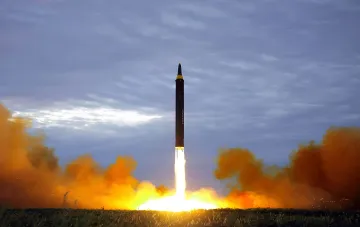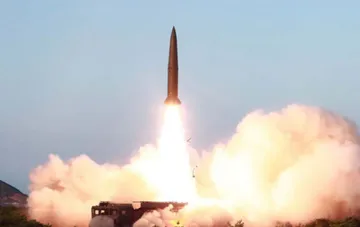
August 12, 2026 — Tensions on the Korean Peninsula reached a new peak. North Korea (DPRK) conducted a demonstrative launch of a ballistic missile towards the East Sea. According to the South Korean Joint Chiefs of Staff (JCS), the launch was carried out from the Wonsan area on the country's east coast at approximately 6:00 AM local time. This move by Pyongyang was a direct reaction to Seoul and Washington's preparations for annual joint military exercises scheduled for next week.
Allies' Reaction: Japan and South Korea on Combat Readiness
The missile launch triggered an immediate response from allied nations. South Korean military forces announced an enhanced surveillance regime and increased vigilance in anticipation of possible subsequent launches. In an official statement, the JCS emphasized that South Korea, the US, and Japan are maintaining full combat readiness and closely exchanging information regarding North Korean actions. Japanese authorities have already lodged an official protest with Pyongyang, viewing the launch as a threat to regional security.
Political Context: Response to "Military Rehearsals"
Pyongyang traditionally condemns joint US-South Korea exercises, labeling them as "military rehearsals" against the North Korean regime. DPRK authorities view these maneuvers as a direct threat to their sovereignty and use missile tests as a form of political protest. This marks the second ballistic missile launch in recent times—the previous one took place last Thursday. Experts note that Pyongyang continues to employ the tactic of "missile diplomacy" to demonstrate its intentions in the event of conflict escalation.
Connection to the Ukraine Conflict: Use of North Korean Missiles by Russia
Parallel to events on the Korean Peninsula, global attention is drawn to reports regarding the use of North Korean ballistic missiles in the conflict in Ukraine. Ukrainian President Volodymyr Zelenskyy stated that Russia is increasingly using DPRK missiles in its attacks. Ukrainian Foreign Minister Andriy Sybiga warned during a briefing that North Korean missile units in Russia, if deployed, would become legitimate military targets. This creates additional risks for regional security and intensifies geopolitical tension.
Contradictory Data
While South Korean military forces confirm the missile launch and identify the Wonsan area as the launch point, some sources do not provide detailed data on the missile's trajectory and range. Furthermore, there are discrepancies regarding the exact time of the launch—some media outlets cite 6:00 AM, while others suggest a later time. There is also no consensus on whether the missile was intercepted or fell into the sea without consequences.
Outlook for Situation Development
The situation on the Korean Peninsula remains extremely unstable. It is expected that the DPRK will continue missile tests in response to US and South Korean exercises. In turn, allies may strengthen their military positions in the region. In the event of conflict escalation, the world could face serious consequences, including the threat of nuclear war. The international community is calling on the parties to dialogue and restraint, but prospects for de-escalation remain unclear.