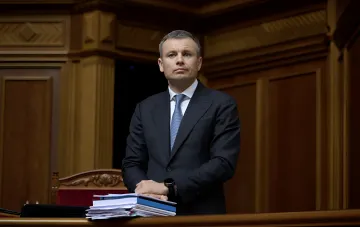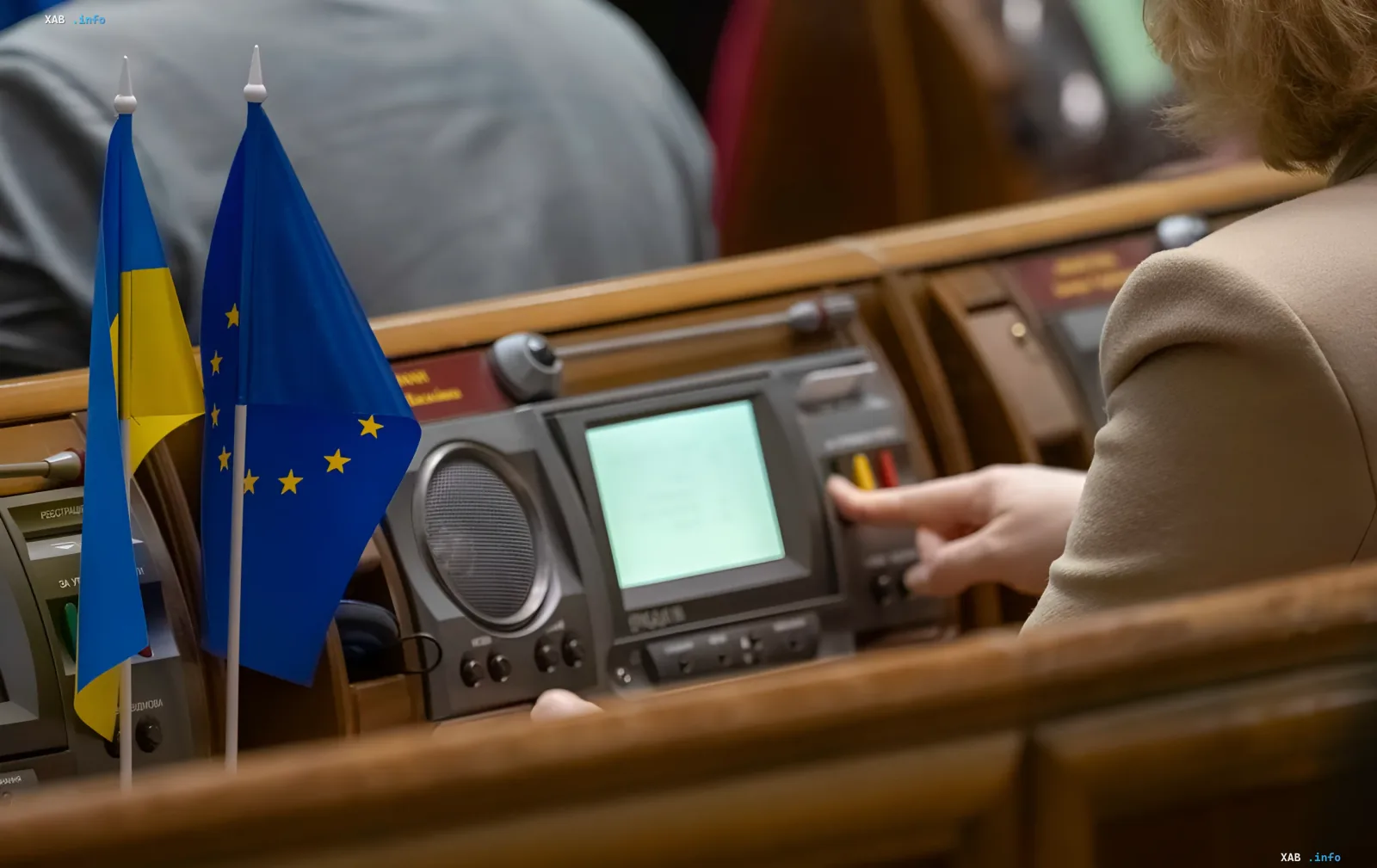
On September 1, 2026, the Verkhovna Rada of Ukraine did not support the decision to establish an advisory group of experts tasked with selecting candidates for six vacant positions of members of the Audit Office. The decision was supported by 192 deputies, falling short of the required minimum of 226 votes. According to the broadcast of the session, as cited by RBC-Ukraine, the vote lacked sufficient support from the factions, effectively blocking the fulfillment of one of the key commitments to international creditors.
The Vote and Its Parameters
The decision to establish the advisory group of experts was put to a vote during a plenary session of the parliament. Adopting the document required an absolute majority of votes — 226 out of 450 possible. The final result was 192 votes "in favor," which is 34 votes short of the required threshold. Thus, the initiative did not even reach two-thirds of the required minimum, indicating a significant deficit of political will in the parliament to implement this structural reform. The vote took place under conditions in which, as the chair of the relevant committee noted, the Audit Office has been functioning in a reduced composition for almost two and a half years, which undermines the effectiveness of parliamentary oversight of the use of state funds.
Functions of the Audit Office and the Role of the Advisory Group
The Audit Office of Ukraine is the body that, on behalf of the parliament, exercises external state financial control over the inflow of funds into the state budget and their targeted use. At the time of the vote, the office had six vacant member positions, which significantly limits its operational capacity. The advisory group of experts, whose establishment was not supported, was to conduct a competitive selection of candidates for these positions. By design of the legislators, international specialists, whose candidates were proposed by the European Union and the United Kingdom, were to be included in the group with a preferential right to vote. This was to ensure the transparency and independence of the process of forming the staffing of the oversight body.
Link to EU Financing and Commitments to the IMF
Fulfilling this decision is one of the conditions for Ukraine to receive financing from the European Union under the Ukraine Support Loan program. Specifically, establishing the advisory group opened the possibility of receiving the second tranche of macro-financial assistance in the amount of 4.2 billion dollars. The deadline for fulfilling this commitment for the EU is August 2026, meaning that at the time of the vote on September 1, 2026, the deadline on the European track had effectively already expired. At the same time, the establishment of the group and the filling of the vacant positions in the Audit Office are a structural benchmark of the International Monetary Fund's Extended Fund Facility (EFF) program, which Ukraine committed to fulfill by December 2026. Thus, the failed vote puts at risk both the already overdue EU condition and the upcoming IMF deadline.
Position of the Relevant Committee and Argumentation
Before the vote, the chair of the parliamentary budget committee, Roksolana Podlasa, drew colleagues' attention to the practical consequences of the failure. In her words, behind these decisions stand the funds that finance the budget expenditures, including military ones, as well as the salaries of teachers and medical workers, and social support for the population. "Therefore, it is critically important for us to complete both steps on time," Podlasa emphasized. She also reminded that the Audit Office has been working in a reduced composition for almost two and a half years, which undermines the trust of international partners in Ukraine's institutional guarantees. The committee's argumentation was aimed at demonstrating the link between the formal decision to establish the expert group and the state's actual access to budgetary resources.
Context: A Series of Failed IMF Benchmarks
The failure of the vote on the Audit Office is not an isolated event. On the same day, September 1, 2026, the Verkhovna Rada for the second time did not support the bills on the abolition of the duty-free allowance for parcels worth up to 150 euros, which are also a structural benchmark of the program with the IMF. The repeated failure of this issue indicates a systemic difficulty of the parliament in fulfilling its commitments to international financial institutions. The combination of these failures forms a picture in which Ukraine risks simultaneously losing access to the tranche of macro-financial assistance from the EU and facing sanctions or a review of the terms of the EFF program by the IMF in the event of missing the December deadline.