Amid unprecedented heat sweeping the continent, Europe is facing a critical shortage of cooling systems. While traditional maritime routes have been complicated by geopolitical instability, an alternative logistics corridor has come to the rescue — the China-Europe railway route. It is along these rails that a life-saving flow of equipment is now moving, capable of cooling overheated cities and industrial zones.
Rescue from record heat
According to data published by Nikkei Asia, there was a sharp surge in demand for air conditioners in Europe in August. Prolonged abnormal heat forced residents and businesses to seek ways to cope with the temperatures, but supply could not keep up with demand. In response to this challenge, China State Railway Group, together with home appliance giants Midea and Gree Electric Appliances, has ramped up equipment shipments.
Speed was the key factor in success. While traditional sea delivery took about 40 days, the railway route has reduced this time to 15 days. This reduction of almost a month is crucial for the economy: air conditioners arrive in time not only for homes but also for factories and shopping centers, where a lack of cooling could lead to a halt in operations.
"High-speed corridor" and geopolitics
Information about this large-scale logistics operation was announced at a press conference by the National Development and Reform Commission of China (NDRC). An official from the department called this route a "high-speed corridor for trade between China and Europe." This direction, which has become strategically important, was designated as a key project of the "Belt and Road" initiative back in 2013 by Chinese President Xi Jinping.
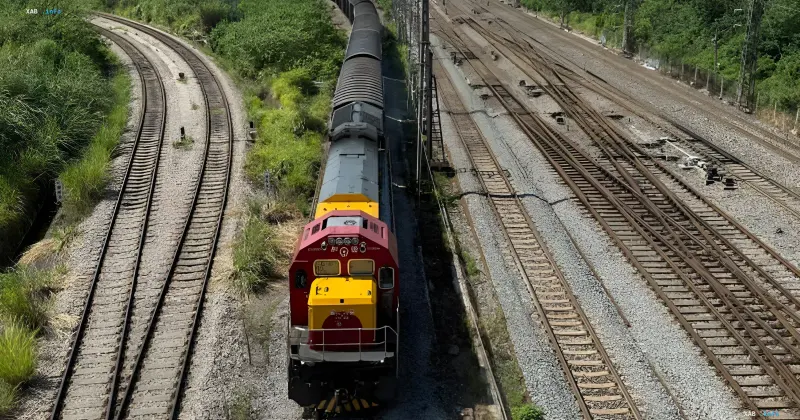
The official China Railway Express (CR Express) service began operations in 2016, connecting inland regions of China with Spain and other Western European countries through Central Asia and Russia. This year, its role has grown manifold. The escalation of tensions in the Middle East has led to a significant increase in delivery times for cargo via Asia-Europe sea routes, making the railway the most reliable alternative.
Economic gain for manufacturers
For Chinese home appliance manufacturers, this route has become a tool for expanding market share. The ability to respond quickly to demand spikes without the risk of delays due to geopolitical fluctuations in the Middle East allows companies to maintain their positions and strengthen relationships with European partners. The railway has proven its effectiveness as a reliable artery of international trade during crisis times.