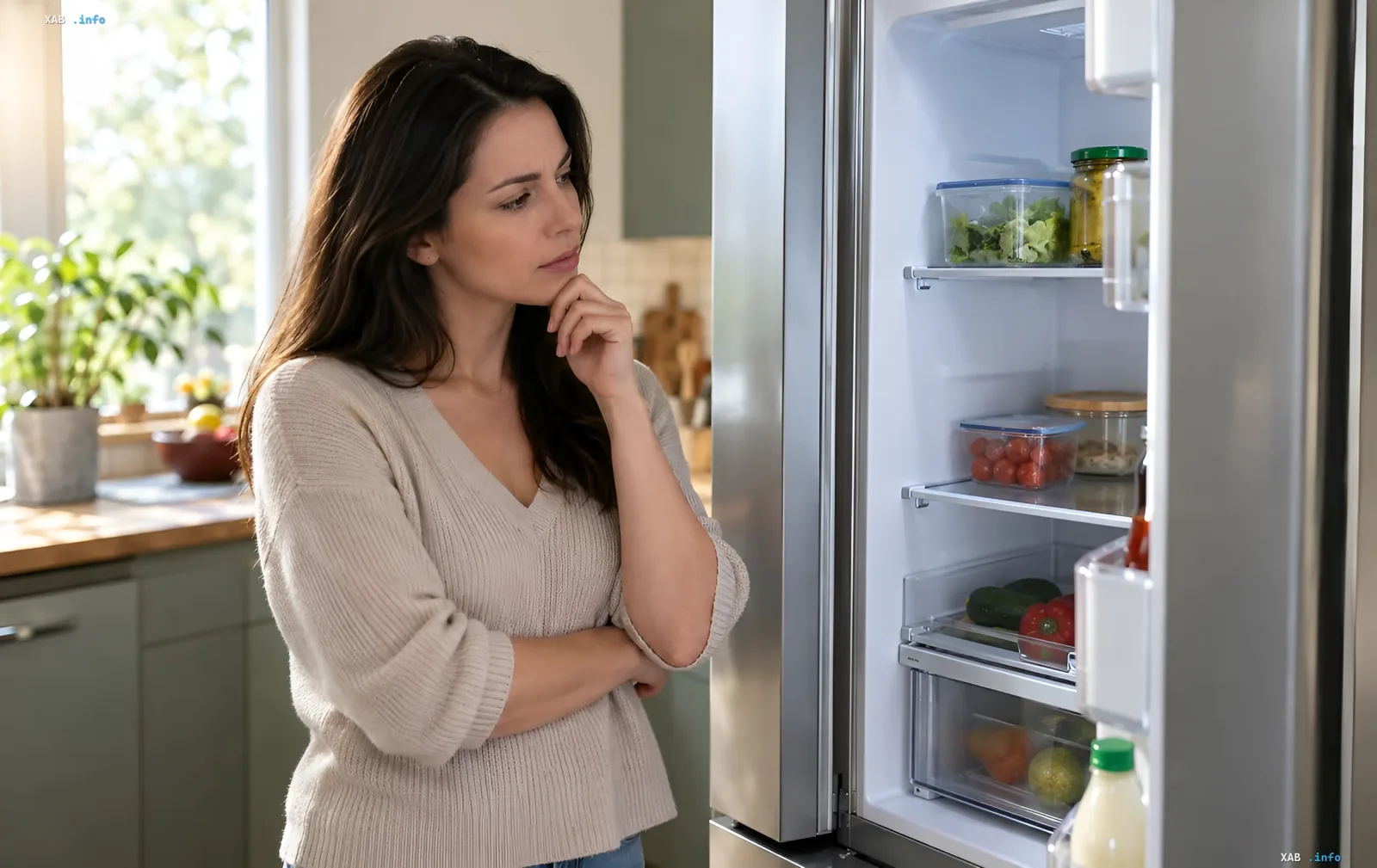
Each of us has faced the unpleasant situation when the appliance motor hums and runs normally, but the food inside the compartment remains warm. Such a problem may indicate both a banal violation of operating rules and serious technical malfunctions. Before calling an expensive repair specialist from the service center, leading home appliance manufacturers recommend checking several basic parameters that can affect cooling quality on your own.
Main causes of cooling loss
One of the most common reasons for insufficient cooling is an incorrect temperature setting. LG explains that setting the regulator to +5 or +6 degrees is often insufficient to fully preserve the freshness of products. According to authoritative recommendations from the US Food and Drug Administration (FDA), the optimal temperature in the refrigerator compartment should be no higher than +4 degrees, and in the freezer compartment at least -18 degrees. Keep in mind that the divisions on the control scale do not always correspond to the actual degrees inside, so for accurate diagnostics, experts advise using a separate independent thermometer.
Placement errors and air circulation
Another important factor lies in the improper organization of internal space. Excessively crowded shelves and packaging bags blocking special ventilation openings prevent the free circulation of cold airflows. Samsung representatives emphasize the importance of proper space zoning: products should be placed at some distance from each other, leaving free areas for ventilation. In addition, keeping the door open for a long time causes valuable cold to escape while warm room air gets inside, making the compressor work harder.
Checking seals and external factors
Loss of chamber tightness also adversely affects the microclimate inside the appliance. Dirt and grease plaque on the rubber gasket prevent the door from fitting snugly against the body. You can check this with a simple home method: by clamping a regular sheet of paper between the door and the sealing contour, try to pull it out. If the paper slips out without the slightest resistance, the gasket must be thoroughly washed with soapy water or replaced in case of physical wear. The external environment of the refrigerator is equally significant: if the unit is installed too close to a wall, kitchen stove, or exposed to direct sunlight, the heat dissipation system will be disrupted.
Food safety and storage rules
While you are troubleshooting and fixing the identified issues, it is extremely important to safeguard perishable foods such as meat, fish, dairy products, and ready meals by moving them to a properly functioning unit. FDA specialists warn that dangerous bacteria can actively multiply in food even without visible changes in its smell or appearance. If the exact time the food spent in the warmth is unknown, it is better to discard it. If after all measures taken and thorough cleaning the temperature regime has not recovered, you should immediately seek professional technical assistance.