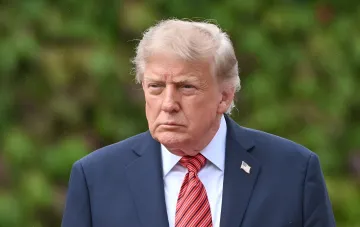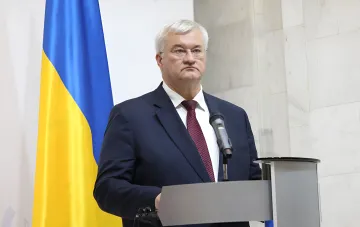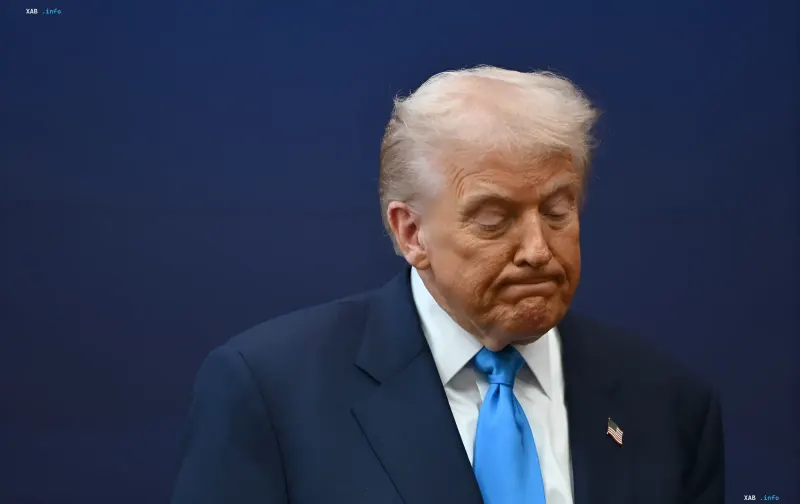
An open rift is widening within the US Republican Party in Congress, with a faction of Republican lawmakers increasingly pushing back against President Donald Trump's decisions regarding Russia and Ukraine. According to Politico, pro-Ukraine Republicans are trying to find ways to persuade the administration to change course, though sources note that lawmakers have few actual levers to pressure the president. Frustration has peaked amid several White House decisions that, from the perspective of part of Congress, ease pressure on Moscow and limit support for Kyiv.
Diesel Deal and Eased Sanctions as a Trigger
The discontent was sparked by several administration moves: a announced six-month easing of sanctions on Russian diesel purchases, the president's temporary refusal to implement sanctions mandated by a recently passed congressional law, and reports of potential restrictions on military aid to Ukraine. According to reports, Trump's inner circle claimed that the diesel agreement between the US and Russia was necessary to end the war in Ukraine. These steps have drawn criticism from both Democrats and a number of Republicans.
Starlink, Patriot, and Intelligence Concerns
Separate concern in Congress has been sparked by reports of potential restrictions on the operation of Starlink and Starshield satellite systems—which the Ukrainian military uses, among other things, to counter Russian drones—as well as several days of disruptions in satellite systems controlled by the US and used for Ukraine's defense. Some lawmakers are demanding an investigation into the possible restriction of Ukraine's access to satellite services. Additional anxiety is caused by delays in supplying interceptor missiles for Patriot systems. Politico also reports on a decision regarding the possible cessation of intelligence sharing with Ukraine.
Bipartisan Pressure: Graham's Bill and Blocking Threats
According to UNIAN and Radio Free Europe, bipartisan pressure is building in Washington to force the president to use the "Lindsey Graham Russia and Iran Sanctions Act of 2026." Republican Congressman Don Bacon stated that the administration's agenda will be jeopardized if it continues to act in favor of Russia rather than Ukraine, and urged swift action on the sanctions bill. Republican Senator Roger Wicker, who chairs the Armed Services Committee, also urged the president to use the new authorities. Republican Brian Fitzpatrick emphasized that the US must provide Ukraine with defensive equipment, and sanctions against Russia should be tightened, not eased. One group of lawmakers threatened to block the administration's legislative priorities at the end of the current congressional term, members of the Senate Armed Services Committee called for an agreement with Ukraine to limit strikes on Russian energy infrastructure, and another group held an emergency phone call with the Ukrainian president.
Trump's Stance: The Path to Peace
President Trump explains his decisions by his desire to achieve a peace agreement between Ukraine and Russia, stating that he does not want to take steps that could alienate Moscow from negotiations. However, discontent with this approach is growing among Republicans: some insist that concessions to the Kremlin do not help end the war, but merely strengthen the position of Russian leader Vladimir Putin. Notably, this is not the first time Republicans have expressed outrage over the president's actions—a similar reaction occurred earlier when Trump intended to withdraw the US from NATO.