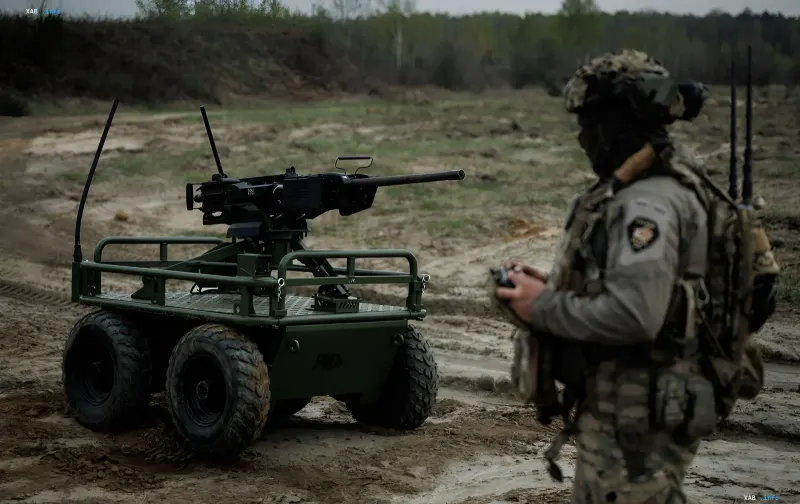
On the modern battlefield, technology is changing the rules of the game. While armored vehicles and manpower once played the key role, today an increasing number of tasks are being transferred to unmanned platforms. Russia is actively developing the direction of Ground Robotic Complexes (GRC), striving to compensate for losses and increase operational efficiency. However, despite this intensification, the aggressor state still significantly lags behind Ukraine in this segment.
Over 30 Models and a Developed Production Base
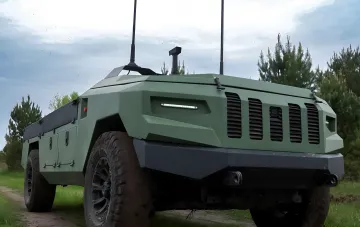
According to Viktor Pavlov, an officer of the GRC battalion of the 3rd Separate Assault Brigade, more than 30 different models of robotics are already represented in Russia. A developed production base with established industry leaders operates within the Russian Federation. This allows Moscow not only to create new samples but also to refine the processes of their mass implementation.
Particular attention is paid to contracting practices — a mechanism that in the future may allow the Russian command to quickly scale the application of robotic systems at the level of the entire army. This approach opens the way for the rapid deployment of equipment in the necessary regions of the front.
The Private Sector as the Engine of Innovation
It is important to note that the development and manufacture of ground robots in Russia are primarily carried out by private companies. The state creates conditions for their work, but it is the business sector that becomes the driver of technological progress in this field. This approach allows for a flexible response to front-line requests and the rapid implementation of new solutions.
Ukrainian Superiority and an Objective Assessment of Threats
Despite the increased use of GRCs by Russian troops, the scale of their application remains significantly lower than Ukrainian figures. Ukraine not only outpaces the enemy in terms of the quantity and quality of robotic complexes but is also actively developing its own ecosystem around them. For example, the company L7 Simulators is developing simulators for training GRC operators. The project is in the MVP stage and is planned for presentation in the near future.
Viktor Pavlov emphasizes: the enemy cannot be underestimated. Even if Russia is currently lagging, its drive for scaling and the development of production capacities require constant monitoring and the adaptation of one's own strategies.
Iron Instead of Humans: The New Reality of War
The use of robotic complexes is changing the very nature of combat operations. Instead of sending soldiers on dangerous missions, armies are increasingly relying on machines capable of performing reconnaissance, cargo delivery, evacuation of the wounded, and even fire support tasks. This reduces human casualties but requires new skills from operators and a restructuring of logistical chains.
Russia is betting on robotics, but Ukraine is already demonstrating a more mature model of integrating these technologies into combat operations. Who will prove faster and more efficient remains to be seen. One thing is certain: the future of war belongs to those who can best combine iron and intellect.