
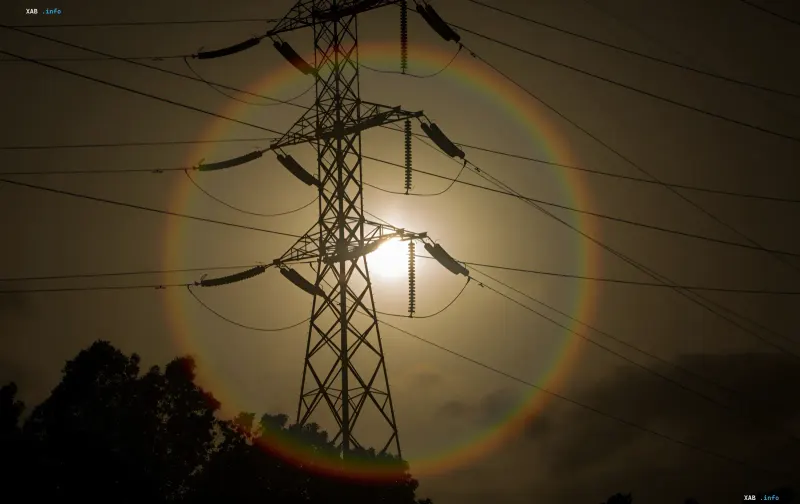
Romanian energy company Nuclearelectrica has begun importing electricity from Ukraine. This decision is a response to a critical power shortage in the country following the unplanned shutdown of the first unit of the Cernavodă Nuclear Power Plant.
According to RBC-Ukraine, citing statements from Nuclearelectrica representatives, the purchase of Ukrainian energy is necessary to stabilize the domestic market and cover the resulting generation gap.
Moldova's Role in the Energy Chain
Supply organization is not happening directly but with the direct involvement of the Moldovan supplier Energocom. Nuclearelectrica emphasized that cooperation between the companies has a long history and was officially formalized by a Memorandum of Understanding in 2023.
The situation demonstrates interesting dynamics in regional energy security. If Romania previously acted as a guarantor of energy supply for Moldova, now the Moldovan side is providing mutual support, helping to maintain the stability of Romania's National Energy System.
Climatic Factor and Threat to Nuclear Power Plants
The main catalyst for the crisis was not only a technical malfunction but also climatic conditions. The situation in the regional power system was significantly exacerbated by a prolonged drought.
Due to a lack of precipitation, the water level in the Danube River has dropped to critically low levels. This has led to two serious problems:
- Local hydrogeneration capabilities have been significantly limited, creating additional risks for the entire system.
- There is a threat to the operation of nuclear reactors, which require water for cooling.
The situation is so serious that in Romania, the military is preparing to blast a rock on the Danube to ensure the uninterrupted operation of the nuclear reactor. The need for such radical actions arose precisely due to the critical shallowing of the river.
Regional Consequences
The problem of the Danube's shallowing is large-scale and affects not only Romania. It was previously reported that due to the record drop in water levels, the operation of Hungary's only nuclear power plant was at risk. The authorities of that country warned that a further drop in water levels could lead to a complete shutdown of the power unit.