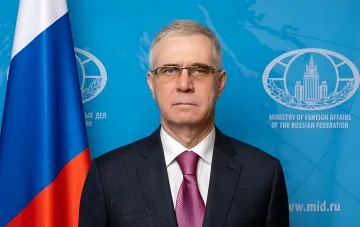
Diplomatic tension between Bucharest and Moscow has reached a critical point. The Romanian Ministry of Foreign Affairs summoned the Russian ambassador to deliver an official protest. The reason was an unprecedented frequency of airspace violations: over the last three days, Romanian fighters shot down three drones that intruded into the country's territory.
Bucharest's tough stance
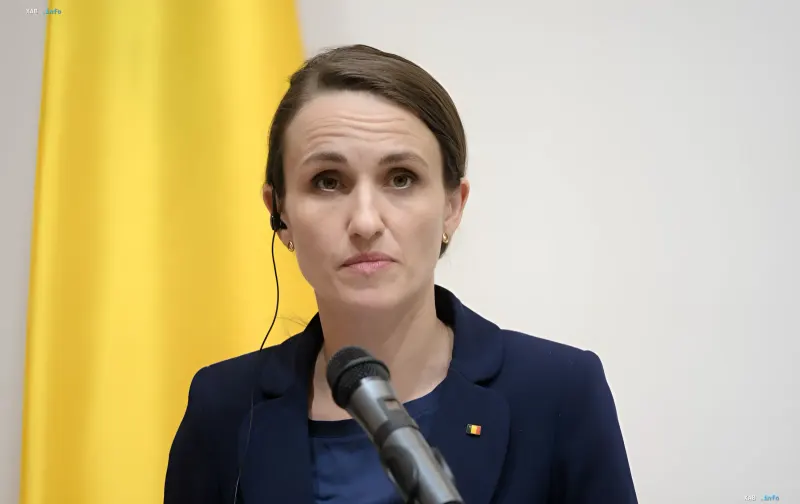
Romanian Foreign Minister Oana Tănasă emphasized that the diplomatic response would be strictly based on the results of the investigations. In her statement, the minister called Russia's actions "unacceptable and intolerable".
Tănasă drew attention to the status of the territory: "Romania is not just a sovereign state; it is the airspace of NATO and the European Union. Such actions are unacceptable, and we treat them with the utmost seriousness together with our allies".
Chronology of incidents: three drones shot down
The situation in the skies over Romania escalated rapidly. Over three days, three separate incidents occurred, each requiring the intervention of fighter aircraft:
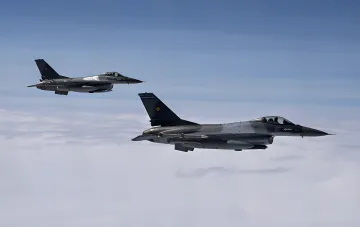
- July 24, around 11:00: A Romanian F-16 fighter shot down a drone that had burst into the airspace. Romanian President Nicolae Ciucă confirmed the incident, noting that the area was uninhabited, which allowed the pilot to open fire without risk to the civilian population.
- Early morning of July 25: During another Russian attack on Ukraine, the Romanian Air Force again destroyed an intruder that had penetrated the country's territory.
- Early morning of July 26: An F-16 fighter shot down the third Russian drone.
Confirmation of drone type and NATO's reaction
An investigation conducted by the Romanian prosecution confirmed the origin of the first downed drone. It turned out to be a Russian "Shahed" type drone.
The alliance's reaction was immediate. After detecting an unidentified drone over Romanian territory, NATO scrambled a squadron of fighters. The operation involved two Romanian F-16s and two Italian Eurofighters, which ensured the interception and destruction of the threat.
The summons of the Russian ambassador to the Ministry of Foreign Affairs became the logical conclusion to a series of incidents, demonstrating that Bucharest is no longer willing to tolerate border violations in the context of the ongoing conflict.