On the morning of July 25, Romanian airspace once again became the arena for a tense confrontation. During another massive Russian strike on Ukrainian territory, the Romanian Air Force was forced to take decisive action to protect the country's borders.
Interception Details
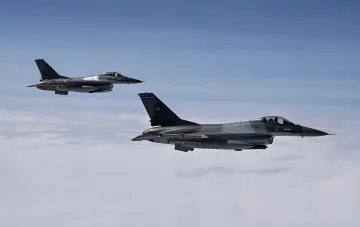
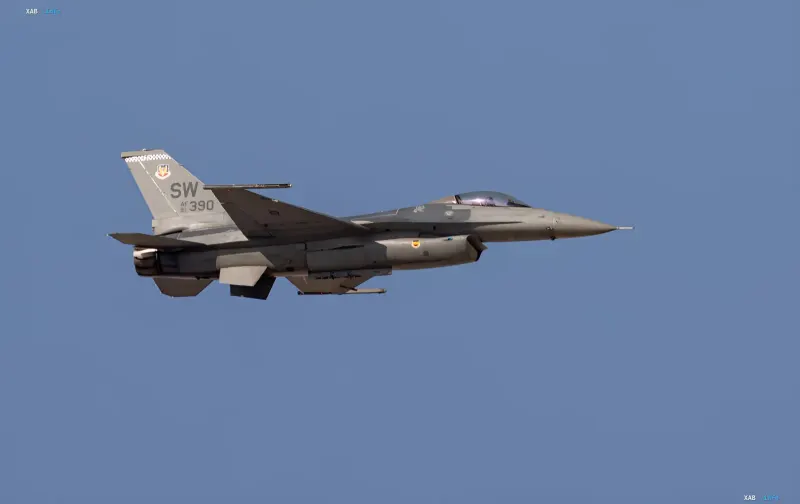
Romanian President Nicolae Ciucă confirmed the fact of the new incident. According to him, at 8:30 AM, a drone that violated the country's airspace was shot down. The interception was carried out by an F-16 fighter pilot acting within the framework of combat duty procedures.
The location of the collision was determined with high precision: the drone was destroyed in the area located 10 kilometers west of the city of Sfântu Gheorghe. This event was a repetition of the situation that occurred just the day before.
Recurring Scenario
The incident on July 25 almost mirrored the events of July 24. On that day, around 11:00, a Romanian fighter jet also shot down a drone that had burst into the country's zone of responsibility. President Ciucă then noted that the interception area was uninhabited, which allowed the pilot to open fire without risk to the civilian population.
After the first incident, NATO reacted promptly to the threat. Four fighter jets were scrambled: two Romanian F-16s and two Italian Eurofighters, which provided patrolling and protection of the alliance's borders.
Theories and Consequences
The repeated nature of the attacks has raised serious questions regarding the intentions of the Russian side. The spokesperson for the Ukrainian Air Force, Yuriy Ignat, did not rule out that Russia might be intentionally directing drones towards NATO countries.
Such tactics create a constant threat of conflict escalation, forcing alliance countries to keep fighters on standby and regularly conduct interceptions. The situation remains under the close attention of military departments and politicians, as each new case brings the combat zone closer to NATO borders.