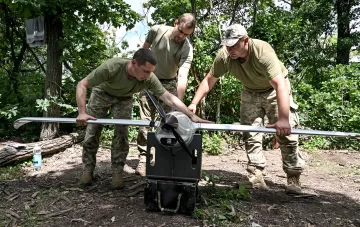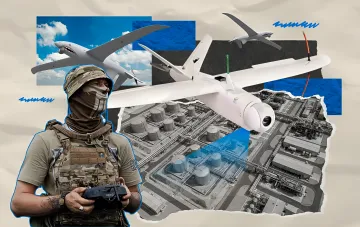
Russian forces have used a new modification of the Geran-5 unmanned aerial vehicle, designated as K5-K and equipped with an advanced optical navigation system, to strike targets in Ukraine. This was reported by Serhii Beskrestnov, an adviser to the Ukrainian president on defense technologies known by the call sign "Flash". According to his data, the updated combat system features increased flight range, higher speed, and an expanded altitude operating range.
Features of the new Geran-5 K5-K modification
The new optical-guided drone was first recorded by Ukrainian specialists about a month ago. The key difference of the K5-K modification from previous drone generations is its transition to optical navigation, which allows the device to navigate directly using imagery of the underlying terrain. This system reduces dependence on classical satellite navigation signals, which are actively jammed by Ukrainian electronic warfare systems.
Deployment of the Filin cruise missile
In addition to the Geran drone family, the Russian side has begun using a new budget cruise missile called "Filin". This weapon was first spotted around the same period. According to industry experts, the Filin is capable of covering distances up to 1,200 kilometers, reaching speeds of up to 800 kilometers per hour at altitudes of up to six kilometers. The warhead mass of this item is comparable to the payload of one or two standard Shahed-type drones.
Foreign components and technological base
The Main Directorate of Intelligence of Ukraine previously noted that the adversary is actively using Russian engines in new weapon samples and aims to scale up the production of cheap strike assets. Simultaneously, Ukrainian agencies continue to monitor foreign component supply chains. In particular, a detailed nomenclature of foreign electronic parts found in jam-resistant Kometa navigation units, which are massively installed on modern Russian missiles and drones, was previously made public.
Significance of new weapons deployment
The appearance of modernized optical-guided drones and new cruise missiles indicates the continuous adaptation of air attack weapons to the conditions of modern electronic warfare systems. The integration of optical navigation systems makes it possible to bypass electronic warfare zones, posing new technological and tactical challenges for Ukrainian air defense. Future developments will require specialists in electronic and air defense to seek adequate countermeasures against these weapon types.