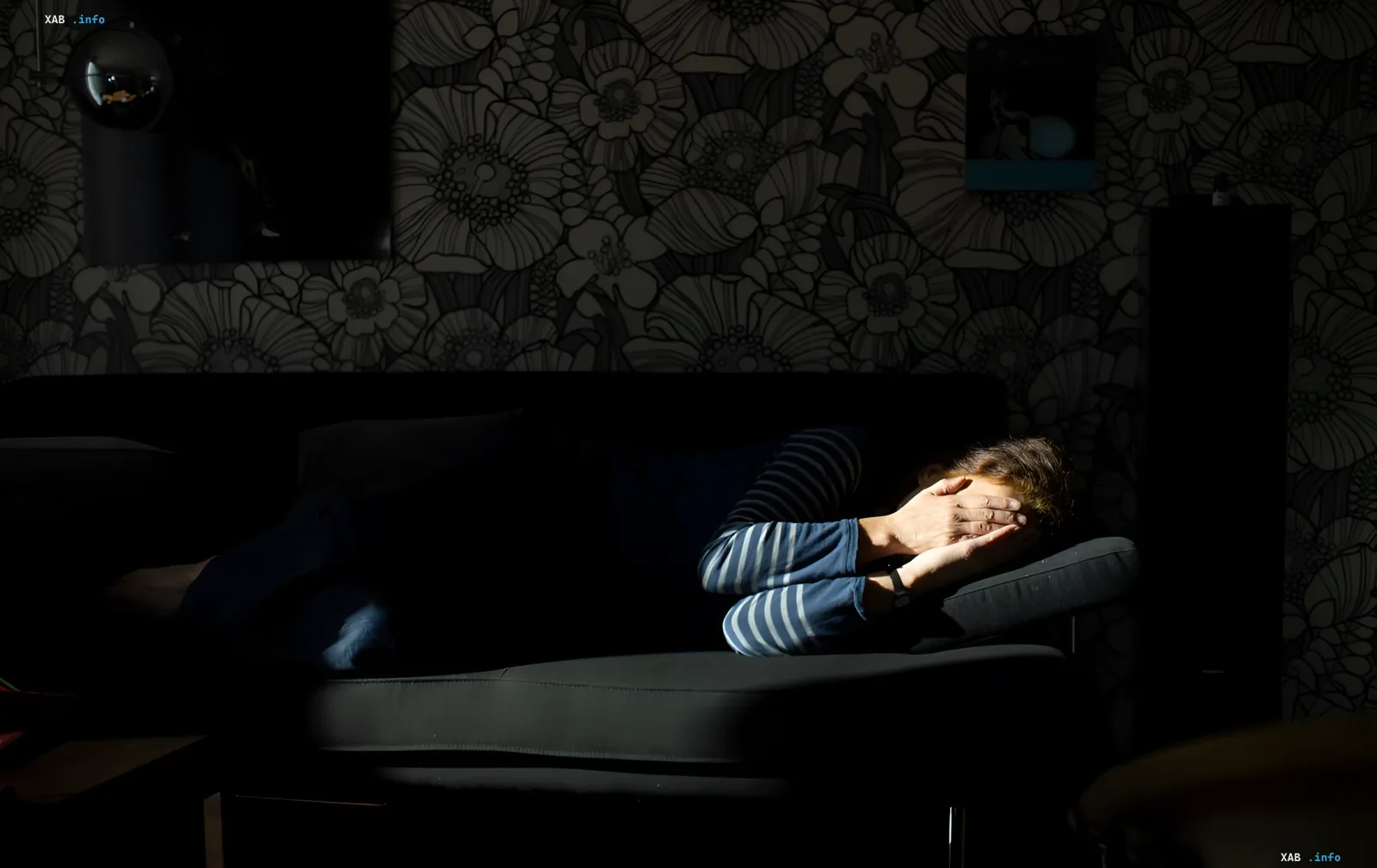
According to RBC-Ukraine, citing the Ukrainian Foreign Intelligence Service (FIS), the social mood in Russia has deteriorated sharply: the "happiness index" dropped by as much as 9 points in the past month, reaching its lowest level since 2011 — that is, the lowest in the last 15 years of monitoring. Another indicator, according to intelligence data, was telling: the share of Russians who unambiguously consider themselves "less happy" rose to 9% — one of the worst results over the entire measurement period.
The causes named by intelligence
The FIS emphasizes that the population's mood is influenced not by a single factor but by a whole complex of problems. These include the overall situation in the country, the policies of the Russian authorities, the waging of war against Ukraine, as well as numerous local problems in the regions. Intelligence interprets the combination of these factors as the basis for such a sharp drop in the indicator over a short period.
"Happiness" according to the officials: the Nenets Autonomous Okrug case
At the same time, Russian regional leaders are forming their own idea of what can be called "happiness" and "patriotism." A telling example was the statement by Irina Gekht, the governor of the Nenets Autonomous Okrug, during a meeting with Vladimir Putin: she proudly reported that every tenth resident of the region had gone to fight against Ukraine, and she regarded this as evidence of the population's high patriotic sentiments. According to the data included in the material, the Nenets Autonomous Okrug became one of the leading Russian regions in the number of people sent to war against Ukraine.
The other side of the statistics
At the same time, this statistics has another side. The Nenets Autonomous Okrug has traditionally held low positions in quality-of-life rankings: in 2025 it took 73rd place, and the year before it was in 77th position. Russian researchers also point to problems that directly affect the lives of the population — in particular, the high mortality rate of men from external causes, including alcohol poisoning, injuries during fights, and careless handling of fire.
Front-line deadlines that never come true
Meanwhile, the Russian army's problems are not diminishing on the front line itself. Russian command has set a deadline for the full capture of the Donetsk region 15 times, yet the occupying forces have failed to meet any of these dates. Now the Kremlin has again set a new date for the troops — December 31, 2026. According to the assessment of the Institute for the Study of War (ISW), this deadline also does not correspond to the real situation on the battlefield: Russian forces are unlikely to be able to capture the entire Donbas by the end of the year.
Contradictory data
The sources contain a discrepancy in the attribution of the original measurement. RBC-Ukraine and the original text attribute the data to the Ukrainian Foreign Intelligence Service, whereas a number of Russian media outlets (in particular, the headline on snob.ru) attribute the "happiness index" to the VTsIOM (Russian Public Opinion Research Center). Thus, the difference concerns who exactly is the source of the measurement, not the value of the indicator itself. At the same time, the phrasing "a 15-year low" / "since 2011" is consistent across all verified sources, while the exact figures of a 9-point drop and the 9% share of "unhappy" people appear in materials citing the FIS and are not separately confirmed in the headlines of Russian publications.