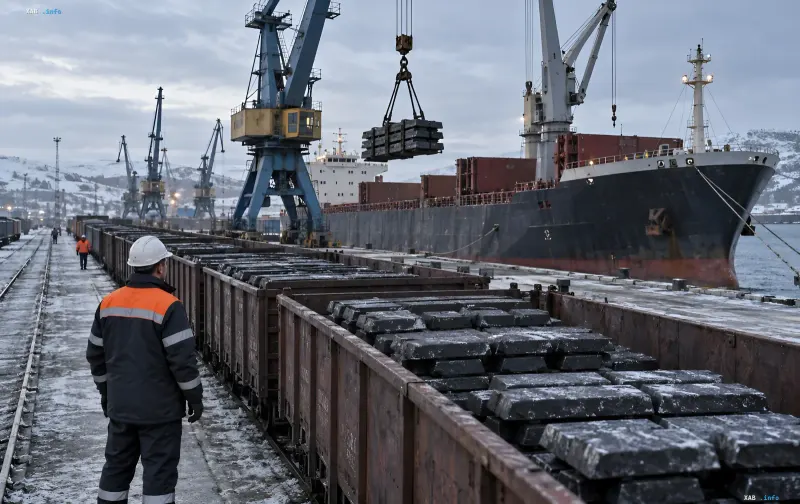
For the first time since 1996, Russia will export metal through the Arctic port of Murmansk. According to the Financial Times, cited by Ukrainian media, this logistical reorientation was a response to threats to shipping in the Black Sea, where analysts estimate over 700 attacks on Russian and Ukrainian vessels have been recorded since the beginning of 2026. More than 65,000 tons of metal are planned to be shipped to the Mediterranean Sea via the Murmansk port, and pig iron in over 180 railway cars has already been delivered to the port.
New Arctic route instead of the Black Sea
Previously, export pig iron went through the port of Novorossiysk, but the last such shipment reportedly took place on July 31. Following this, Russia effectively relocated a portion of its metallurgical supplies to the north. The Murmansk port, historically used primarily for oil exports, is now becoming a channel for metal and, as sources note, for grain as well. Thus, the Arctic hub is turning into a multi-profile alternative to Black Sea ports.
Why Turkey is considered the likely buyer
Turkey has been named as the likely destination for the cargo. The key factor here is a trade restriction: starting January 1, 2026, the European Union banned the import of Russian pig iron. This narrows the circle of traditional European buyers and makes Mediterranean and Middle Eastern counterparts more attractive to Russian exporters. For this reason, the logistics chain leading from Murmansk to the Mediterranean Sea looks to Moscow like a rational way to bypass both sanctions and military pressure.
The price of the bypass: plus 10 days and double the costs
Switching to the Arctic route, however, significantly increases export costs. According to the publication, delivering metal from Murmansk to Turkey takes approximately 10 days longer than transport via the Black Sea, and transportation costs are nearly twice as high. According to the same information, some Russian carriers have to pay an additional fee of about $100 for every ton of cargo. For exporters, this means a direct reduction in margins and a revision of contracts where prices and delivery times were fixed under the previous Black Sea logistics.
Diplomatic background: calls to end attacks
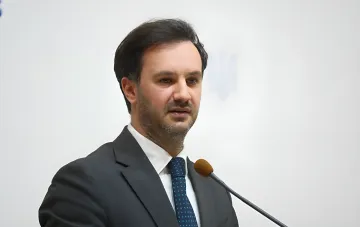
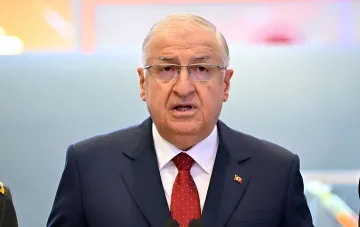
These logistical adjustments are taking place against the backdrop of public statements about the need to de-escalate the situation in the Black Sea. Ukrainian Foreign Ministry spokesperson Heorhii Tykhyi stated that Kyiv expects a number of countries dependent on exports through this sea to urge Russia to cease fire in the waters. Turkish Defense Minister Yaşar Güler, in turn, reiterated Ankara's call on Ukraine and Russia to halt attacks in the Black Sea and threatened "legal measures" in the event of strikes on vessels linked to Turkey. These signals emphasize that Black Sea shipping remains a zone where military and diplomatic dynamics directly influence trade flows.