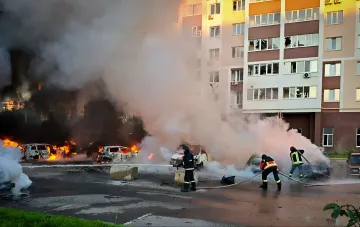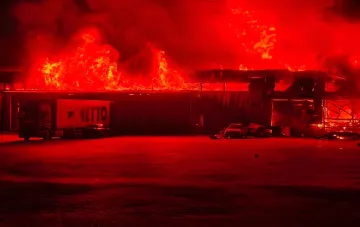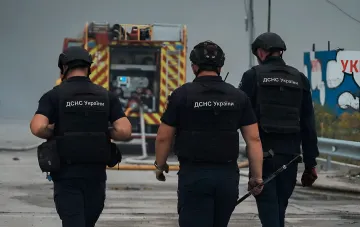
Last night, Russian military forces carried out a massive strike on Ukraine using aerial attack means, including drones. According to data cited by RBC-Ukraine from a report by the Ukrainian Air Force, the enemy deployed large groups of UAVs flying along several directions simultaneously. By 09:00, air defense forces, according to the defenders' statement, managed to neutralize 137 Russian drones in the north, south, east, and center of the country. At the same time, as the Air Force clarified, the attack had not yet been completed at the time of publication: around ten Russian UAVs were still being tracked in the sky.
Directions of the attack and air defense operations
According to the report, the drones were flying along the Oryol, Bryansk, and Millerovo directions (Russian territory), as well as along the Donetsk and Hvardiiske directions in occupied Crimea. This distribution of attack vectors indicates an attempt to cover several regions at once and overload the air defense units. The Ukrainian Air Force reported recorded impacts of aerial attack means at 16 locations, as well as the fall of debris from shot-down vehicles at 4 locations. It is precisely these figures that reflect the real cost of the night strike: even with successful air defense operations, some targets reached the ground.
Contradictory data
When cross-checking figures across different publications, discrepancies arise that are important to distinguish in order not to mix up different events and different time snapshots. The basis of the Ukrainian Air Force report is the figure of 137 neutralized drones recorded by 09:00, meaning this is an interim snapshot rather than the final tally of the entire attack, which, according to the same data, was still ongoing. The RBC-Ukraine outlet uses the phrasing "more than 160 drones" in its headline, which logically corresponds to the total number of vehicles launched over the night, rather than the number shot down by morning. It is worth separately noting the ura-inform.com publication dated August 21, 2026, about 135 drones and 107 destroyed targets: these are data on an earlier night strike, not on the attack described here, so transferring these figures to the current night would be a mistake. Thus, the discrepancy in figures is explained by different time snapshots and different dates, rather than a single contradiction in the facts.
Context: strikes on rear areas and a call for vigilance
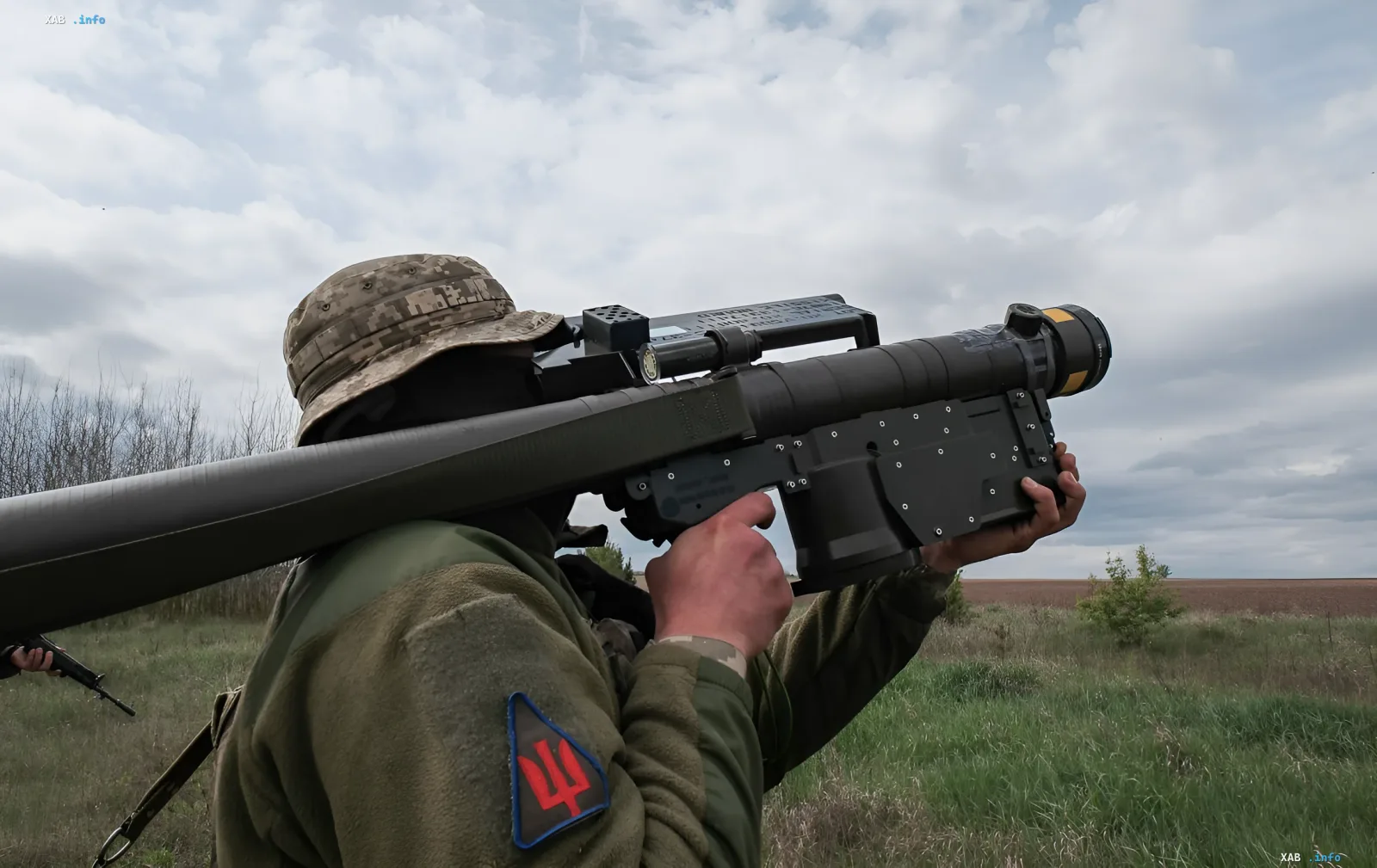
The night wave of UAV attacks fits into a broader context of mutual strikes on rear-area facilities. Earlier, there were reports of a Russian strike on the "Episenter" facility in Zaporizhzhia, which underscores the vulnerability of large civilian and logistics centers even deep inside the country. Against this backdrop, the Ukrainian Air Force once again called on citizens not to ignore air raid alerts and to take shelter in protective structures in a timely manner. Meanwhile, fighting continues on the front line, where, according to available information, Ukrainian units are carrying out successful counterattacks in certain sectors. The image of a Ukrainian serviceman with a portable anti-tank complex and a trident patch illustrates the readiness of the defense forces, however, it has no direct connection to the night UAV incursion and is provided only as context on the state of the armed forces.
What this means for citizens and what comes next
For the population, the key takeaway remains the high probability of continued attacks over the course of the day: even after the morning report, active UAVs remained in the air, meaning the threat has not been fully lifted. Official channels recommend monitoring alerts, not leaving shelter until the all-clear is given, and avoiding crowded areas near potential targets. Final figures on the number of shot-down vehicles and the consequences of the strikes are typically clarified by the Ukrainian Air Force as the attack concludes, so the initial data as of 09:00 should be regarded as interim.