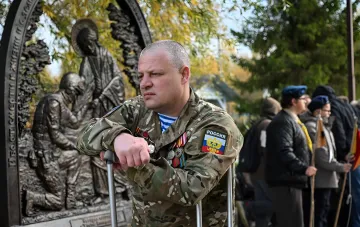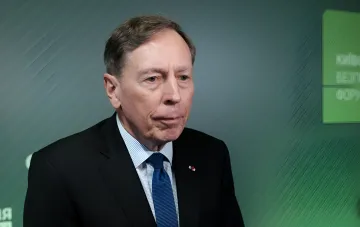
Commander of the Unmanned Systems Forces of the Armed Forces of Ukraine, Robert 'Madyar' Brovdi, in an interview with The Telegraph, has presented a disturbing forecast regarding the development of the situation at the front. According to the military leader, by the end of 2026, Russia intends to mobilize and send approximately 300,000 people to the front line. The process, which was previously covert, is expected to transition into an open and large-scale phase, leading to a sharp increase in Russian troop numbers as early as October.
Change of Strategy and Lack of Training
Robert Brovdi emphasizes that Vladimir Putin is likely to abandon long-term training for recruits, preferring to act as quickly as possible. Unlike previous stages, where the focus was on contract soldiers motivated by high financial rewards, the current situation points to the forced nature of the mobilization. Experts predict a mass deployment of untrained individuals, which will inevitably lead to high casualties on the enemy side.
Implications for Ukraine and Combat Load
For the Ukrainian Defense Forces, the influx of such a large number of personnel will become a serious challenge. The commander noted that the Armed Forces of Ukraine are aware of the situation's complexity and are not prone to underestimating the enemy. 'This is a test we have been preparing for,' Brovdi emphasized. A special role in repelling attacks is assigned to drone operator units, which, according to forecasts, will see a significant increase in workload due to the increased density of Russian forces on the battlefield.
Contradictory Data
There is debate regarding the effectiveness of such a 'meat grinder' strategy during the autumn-winter period. According to some analysts, the lack of green vegetation (leaves) significantly complicates offensive operations for infantry groups, making them vulnerable to FPV drones and artillery. While 'Madyar' notes the Kremlin's haste to capture Donbas, it remains a matter of debate how effectively Russia can integrate 300,000 people without a critical decline in combat capability.
Conclusion and Risks
The situation with the tightening of exit rules for those liable for military service and the mass distribution of mobilization orders in Russia confirms experts' concerns about the Kremlin's readiness for escalation. Future events will determine whether Moscow will be able to implement its plans to increase its contingent on time, or if logistical and resource problems will become an insurmountable barrier for the Russian command.