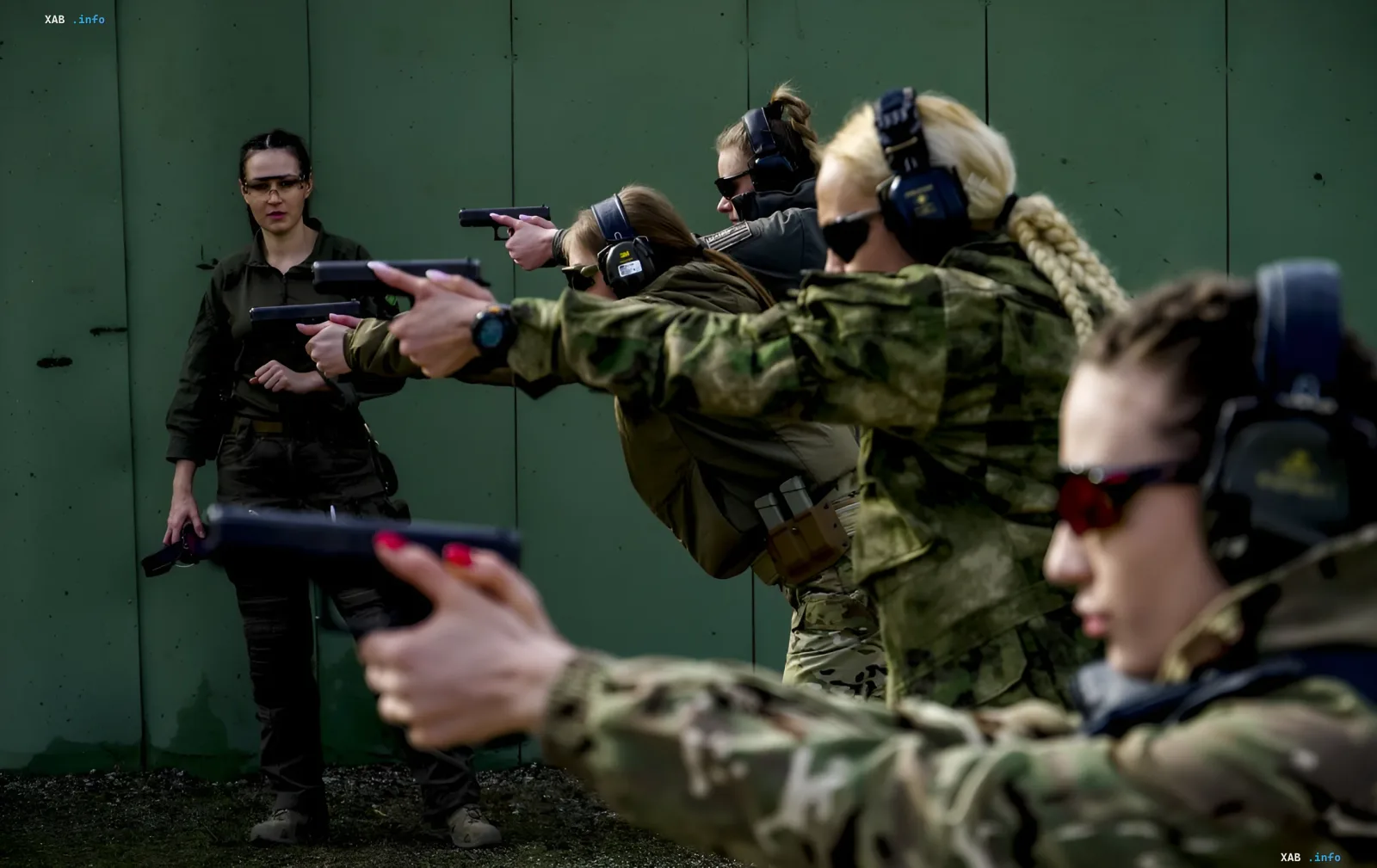
Ukrainian intelligence reported that the Russian leadership has agreed to extend the processes of mobilization and/or contracting to certain numerically significant categories of women serving sentences in prisons and camps. According to RBC-Ukraine, this is stated in a statement published on the official website of the President of Ukraine.
What the intelligence services found out
According to the published assessment, the Russian leadership has not only approved but is also working out mechanisms for enlisting convicted women into military service. Intelligence emphasizes that this concerns precisely "certain numerically significant categories," i.e., groups that could provide a noticeable increase in personnel. According to sources, such plans are being considered as part of preparations for an additional wave of mobilization, which Moscow expects to carry out in 2026–2027.
Who is planned to be recruited
The list of convicts that the Russian Federation intends to use as a resource for the army has been expanded to include persons with unserved or unexpunged criminal records under 11 articles of the Criminal Code. These include smuggling of toxic, radioactive and explosive substances, weapons and drugs; banditry; organizing or participating in a criminal group; organizing illegal migration; violating safety requirements for fuel and energy complex facilities; as well as the illegal handling, theft or extortion of nuclear materials and radioactive substances.
The scale of the new wave
According to available data, the aggressor country plans to recruit around 300,000 people into the army in the current, 2026 year, and another 300,000 in the following year. These figures indicate that Moscow is considering the mobilization of convicts as one of the ways to close the critical shortage of military manpower, which, by estimates, can no longer be offset by voluntary contracts.
Contradictory data
It is important to note that the information on the Russian Federation's plans to recruit convicted women is based on an assessment by Ukrainian intelligence and has not been confirmed by Russian authorities. There are no public statements from Moscow on this specific issue, which makes the data one-sided. Moreover, in the public sphere the topic of mobilizing women is often mixed with discussions of mobilization processes in Ukraine, where assessments of the possible enlistment of women into service are also heard; these processes should not be confused with the stated plans of the Russian Federation regarding convicts.
Context: hidden mobilization and manpower shortage
The intelligence assessment fits into a broader context: according to reports, so-called hidden mobilization is spreading in Russia, and recruiters are increasingly enlisting students, offering them service in allegedly drone units. It is becoming harder for Moscow to find voluntary contract soldiers, so pressure on potential conscripts and contract soldiers is intensifying, according to sources. The enlistment of convicts, including women, is being considered as one of the options for resolving the personnel shortage.