There is a growing number of indicators in the Russian information space pointing to an increase in mobilization readiness. This is reported by the Foreign Intelligence Service of Ukraine (SZRU), with data cited by RBC-Ukraine. Experts note that the Kremlin, facing difficulties in recruiting personnel, is seeking new ways to replenish the ranks of the armed forces.
Decline in contract service rates
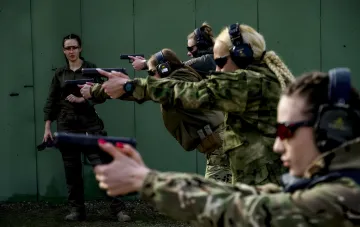
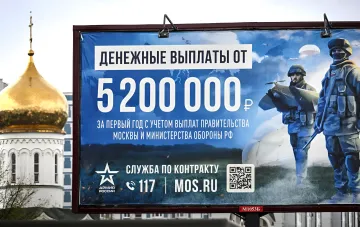
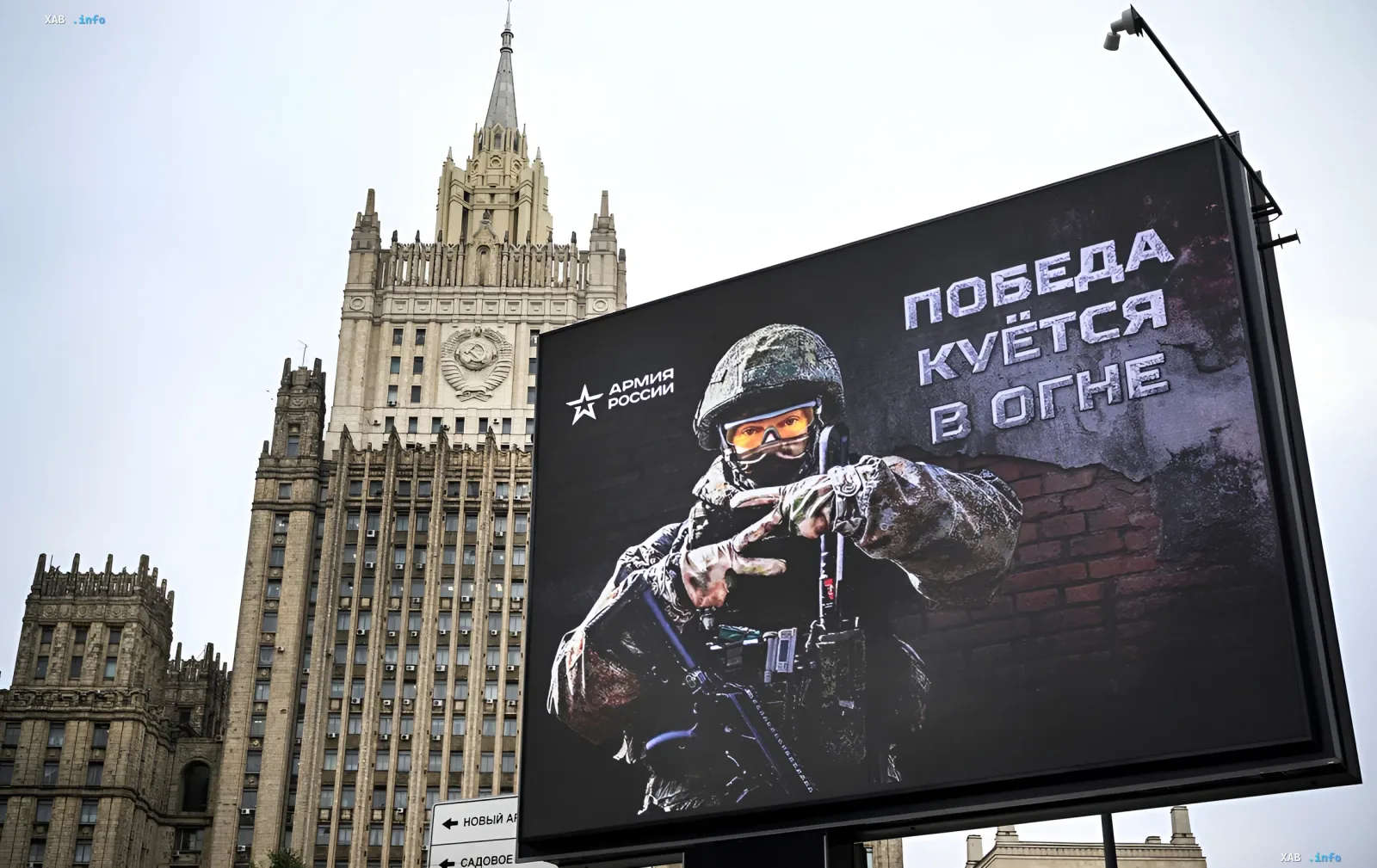
One of the key signals noted by intelligence is a noticeable slowdown in volunteer recruitment. Deputy Chairman of the Security Council of the Russian Federation Dmitry Medvedev announced statistics for the first half of 2026: about 200,000 people signed contracts with the Ministry of Defense, and another 16,000 joined volunteer formations.
For comparison, during the same period last year, these figures were higher — more than 210,000 contractors and 18,000 volunteers. German researcher Janis Kluge estimates the actual drop in recruitment rates in the spring of 2026 at 20%. This decline is forcing authorities to seek alternative solutions to cover the personnel deficit.
Surge in vacancies and infrastructure preparation
Against the backdrop of declining interest in military service in Russia, there has been a sharp increase in the number of vacancies related to military registration. At the end of July, more than 2,500 such advertisements were posted on the largest job search platform, HeadHunter. Notably, almost a third of them appeared online only in the last week.
Employers are seeking specialists in the country's largest cities: Moscow, St. Petersburg, Samara, Nizhny Novgorod, Belgorod, Kazan, Ufa, Krasnodar, Rostov-on-Don, Yekaterinburg, and Khabarovsk. Among the companies opening such vacancies are state giants: Roscosmos, Russian Post, and Rostelecom.
Parallel to personnel reshuffles, administrative changes are taking place. The Governor of the Moscow Region has expanded the powers of the regional headquarters in case of mobilization or martial law. Furthermore, according to intelligence data, the Russian Ministry of Labor recommends that regions prepare a pool of labor migrants in advance who can replace workers called up for the army.
Public anxiety and economic indicators
Moods in Russian society are also changing. According to SZRU data, in July, the number of search queries about mobilization in Yandex reached 1.2 million. Sociological data shows a rise in anxiety: within one week, the share of Russians assessing the situation as alarming grew from 53% to 57%.
Economic indicators also confirm public fears. Demand for housing rental in Armenia has exceeded the level of February 2022, which may indicate attempts by citizens to leave the zone of potential mobilization.
Kremlin strategy: pressure instead of conscription
Despite the alarming signals, there are currently no signs of preparation for a large-scale conscription of reservists. Procurement of medical supplies and military equipment remains at approximately the same level as last year. The SZRU believes that before the parliamentary elections, the Kremlin is unlikely to dare announce a new wave of general mobilization, fearing political resonance.
The shortage of personnel will likely be attempted to be compensated by the Russian authorities through financial incentives, administrative pressure on employers, and redistribution of military personnel between units. Earlier, The Wall Street Journal reported that due to a lack of volunteers, Russian authorities are increasingly resorting to forced recruitment: men are detained on the streets, intimidated, and threatened with fabricated criminal cases to force them to sign a contract.