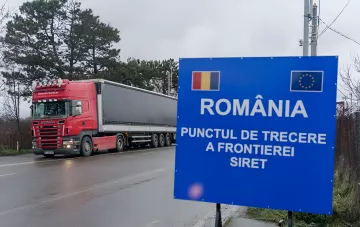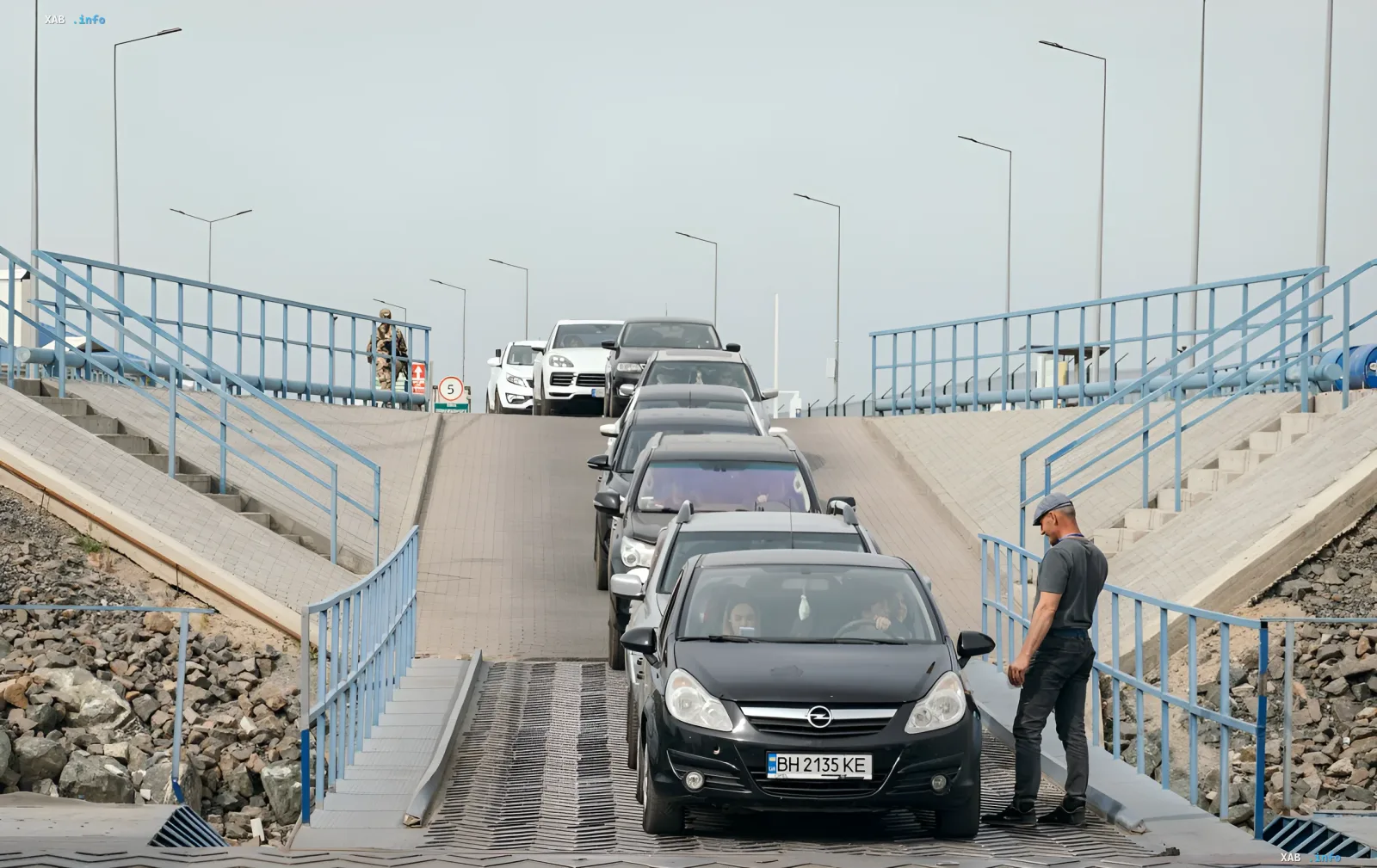
On the night of September 1, 2026, Russian Shahed-type strike drones attacked the international Orlovka border crossing, which provides ferry service on the Ukrainian-Romanian border. This was reported by RBC-Ukraine, citing the State Border Guard Service of Ukraine (SBGSU). According to the service, the strike resulted in hits on the building and the surrounding area of the border crossing. Fires broke out at the scene and have already been contained by emergency rescue services.
Redirection of Traffic Flow and Notification to Romania
Immediately after the attack, the Romanian side was informed of the incident. In connection with the incident, the processing of citizens and vehicles through the Orlovka border crossing has been temporarily suspended. Traffic that had previously been headed for the ferry crossing is being redirected to other operational border crossings. The SBGSU urges citizens to take this information into account when planning to cross the state border, in order to avoid delays and inconvenience.
Not the First Strike on This Direction
The border service emphasized that the adversary has not struck the Orlovka border crossing for the first time. Systematic attacks on border infrastructure in this area have become a characteristic element of Russia's strategy to destabilize cross-border traffic. Repeated strikes on the same facility indicate a deliberate attempt to paralyze ferry service, which is critical for logistics and passenger flows between Ukraine and Romania.
Alternative Routes and Preparation of a New Crossing in Zakarpattia
Against the backdrop of ongoing attacks on border infrastructure, the issue of alternative routes is becoming increasingly relevant. In the summer of 2026, it was announced that a new border crossing, "Bila Tserkva – Sighetu Marmației," is being prepared for opening in Zakarpattia. Infrastructure readiness checks are underway at the site, and the launch of the crossing is planned for the current year. Implementation of this project should reduce the load on existing routes and create an additional reserve channel for crossing the border.
SBGSU Clarifications for Citizens
In addition to information about the attack, the SBGSU published clarifications on a number of practical issues related to crossing the border. In particular, the service clarified whether a border-crossing stamp is required in the passport and what rules apply for traveling to EU countries for various categories of citizens in light of the attacks on border infrastructure. The border service recommends that citizens check the latest information on the official SBGSU channel in advance before planning their trip.