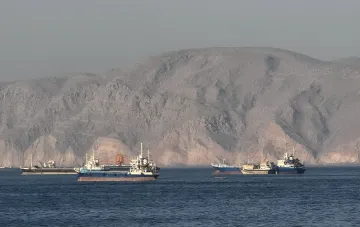
Russia expects to resume diesel fuel exports to 3-3.5 million tons per month by the end of the year. Moscow states that this will allow a return to pre-crisis figures and significantly exceed the numbers announced by the United States leadership. The corresponding statement was made by Russian Deputy Prime Minister Alexander Novak on state television, emphasizing the presence of all necessary technical capabilities to increase foreign supplies.
Background and Impact of Refinery Attacks
Throughout 2024-2025, Russian diesel export flows faced serious difficulties. Foreign shipments decreased significantly due to regular drone attacks on key domestic oil refineries, as well as temporary export restrictions introduced by the Russian government. Despite strict domestic limits, Moscow continued to fulfill obligations under intergovernmental agreements, making stable deliveries primarily to Central Asian states, where the volume in September alone reached about 427,000 tons.
US Position and Diplomatic Disagreements
The Russian Deputy Prime Minister's statement came immediately after US President Donald Trump publicly announced an agreement on supplies of Russian diesel to global markets. As part of this deal, Washington temporarily eased sanctions on Russian fuel, expecting to prompt the Kremlin to negotiate an end to the war against Ukraine. However, this decision drew sharp criticism both from some US lawmakers fearing the financing of the Russian war machine and from Ukrainian President Volodymyr Zelenskyy, who called the move a departure from isolation policies amid ongoing strikes on Ukraine's energy infrastructure.
Contradictory Data
Noticeable discrepancies arise between the statements of the parties regarding supply volumes and statistics. Donald Trump reported that Russia must immediately supply over 300,000 tons of diesel to the global and US markets, followed by 500,000 tons in November and an additional 1 million tons thereafter. Meanwhile, the US Energy Information Administration notes that the American transport sector consumes about 2.94 million barrels per day, making the first announced batch relatively small. In addition, Alexander Novak stated that the total cost of Russian energy supplies to Europe since 2022 supposedly amounts to $320.7 billion, whereas the US side estimates this figure at $250 billion, with no independent confirmation of the higher sum provided in news agency materials.
Economic Effect and Market Outlook
Despite political disputes and criticism from Kyiv and Western partners, the Russian side insists on the positive impact of the new agreements on the global economy. According to Alexander Novak, additional fuel volumes have already contributed to a noticeable stabilization of the global market, where diesel fuel quotes fell by about 5-6%. Moscow is confident that reaching figures of 3-3.5 million tons monthly will strengthen the country's position as a key player in the energy market, despite ongoing sanctions pressure.