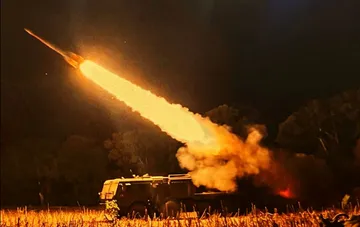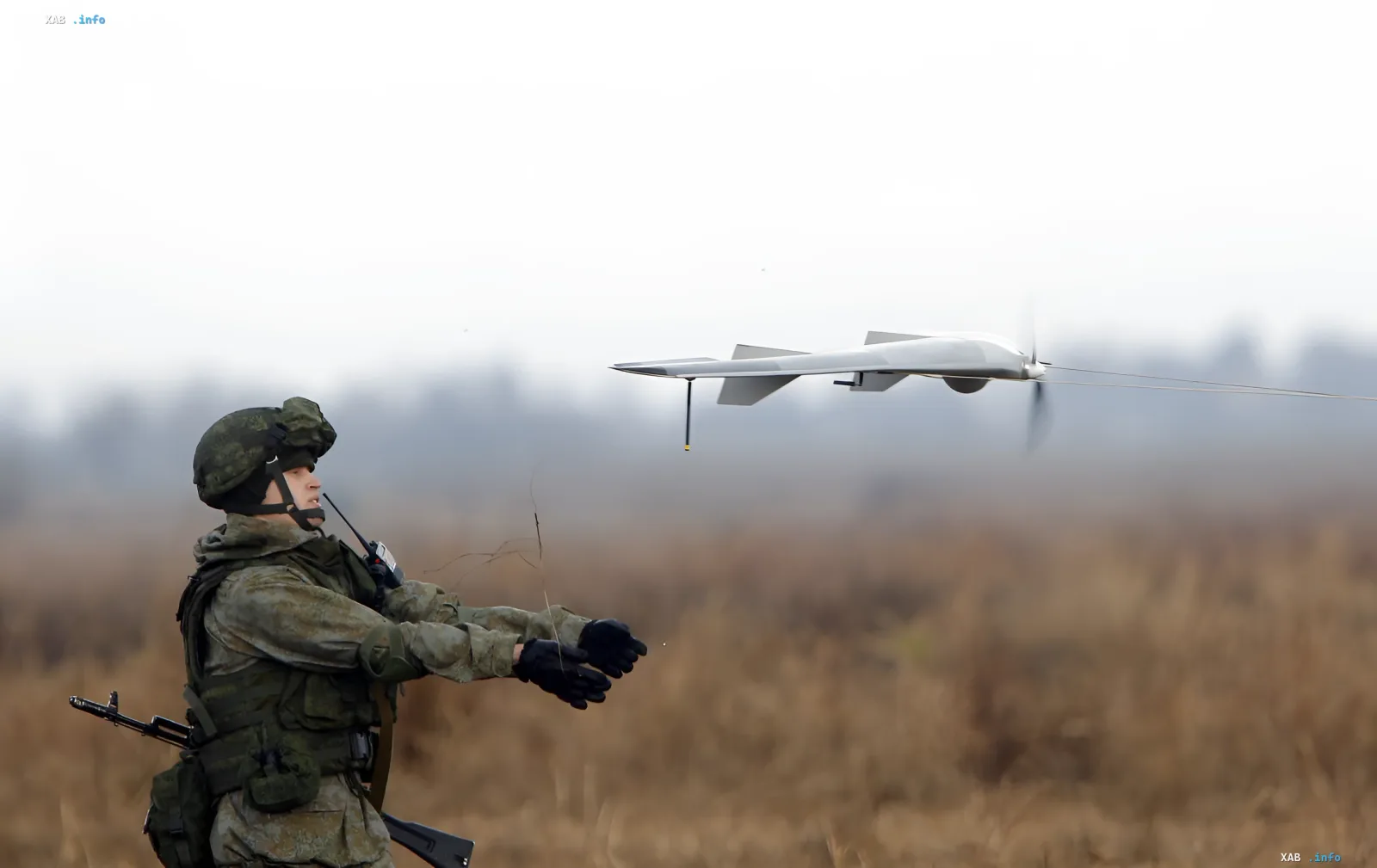
On the morning of August 27, 2026, the Russian Ministry of Defense reported in its official Telegram channel on a nighttime attack on Ukraine and announced the use of a new modification of the Geran strike drone. Alongside the published footage of the UAVs in the sky, the ministry added the caption "New elusive ones" and the cynical comment "The Gerans delivered a powerful strike at night," effectively boasting about the intensified strikes on Ukrainian territory. Meanwhile, as Ukrainian media note, Russia has not disclosed exactly how the claimed new modifications differ from previous versions of the Geran.
Russian MoD statement: "new elusive" drones without technical details
The Russian defense department published images of its drones in the air and accompanied them with the claim that "new" Geran-type drones were used during the nighttime attack on August 27. However, the message contains not a single technical parameter: no differences in aerodynamics, armament, range, or guidance systems are named. In effect, the statement boils down to the propagandist formulation "elusive," which cannot be verified without independent data. The Ukrainian side, for its part, reminds that air defense neutralizes about 90% of Russian drones daily, which directly contradicts the thesis of "elusiveness."
Ukrainian response: interceptors against Geran-4 and Geran-5
Against the backdrop of Russian claims, Ukrainian sources record an already functioning response to the new modifications. According to Ukrainian publications, the ZIRKA interceptor drone officially confirmed its first interception of a Geran-4 missile, and a specialized Sting-2 hunter drone has been developed in the country, designed to destroy the jet-powered Geran-4 and Geran-5. Thus, the thesis of "elusive" drones promoted by the Russian MoD is in practice refuted by Ukraine's possession of a whole set of countermeasures specifically against these modifications.
Contradictory data
There are several open inconsistencies here. First, the Russian MoD claims that only military objects are supposedly being struck, yet it provides no confirmation of this, while the ministry publicly boasts of a "powerful strike" on Ukrainian territory — which is consistent with reports of strikes on civilian objects and explosions in Kyiv. Second, the Russian "new elusive" drones, by their own footage, are already within the zone of Ukrainian air defense and interceptors, which contradicts the claimed "elusiveness." Third, the characteristics of the new modifications have not been disclosed by either side, so their real differences from previous Gerans remain unconfirmed.
Course of the August 27 attack and strikes on Kyiv
The nighttime attack of August 27, reported by the Russian MoD, was accompanied by the operation of Ukrainian air defense, which, according to available data, intercepted a significant portion of the drones and repelled the aerial assault, including attempts to use ballistic missiles. On the day of August 27, reports say Russia again struck Kyiv, with explosions heard in the city. The full consequences of the nighttime attack and the results of air defense operations were previously described in detail by Ukrainian editors, including RBC-Ukraine.
What this means
The Russian MoD's statement of August 27 should be viewed primarily as an information-psychological move: without disclosing the technical differences of the "new" drones and given that Ukraine has confirmed means of intercepting them, the thesis of "elusive" Gerans remains unverified. The key fact confirmed by both sides is the ongoing massive strikes and the daily operation of air defense, rather than the specific characteristics of the claimed new modification.