Against the backdrop of a series of drone attacks on international border crossings in southern Ukraine, Andrii Kovalenko, head of the Center for Countering Disinformation (CCD), commented in his Telegram channel on the scale and objectives of the Russian strikes. According to him, the attacks on border crossings with EU countries are primarily aimed at crafting a certain 'picture' for the 'domestic consumer' — that is, for the Russian audience — and, in the CCD's assessment, with a deliberate exaggeration of the actual scale of the damage. This is reported by RBC-Ukraine, citing Kovalenko's statement.
CCD statement: 'a picture for the domestic consumer'
The agency noted that Russia's attempts to attack border crossings with EU countries have two main objectives related to information influence. The key point of Kovalenko's statement is that the actual consequences of the strikes, as a rule, do not match the picture of destruction being broadcast in the propaganda sphere. 'Everything else is informational noise,' the head of the CCD stated, addressing Ukrainians and calling on them not to attach excessive importance to the inflated damage assessments in the media.
Timeline of strikes on border crossings
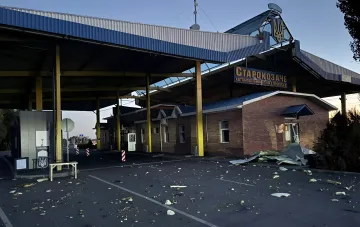
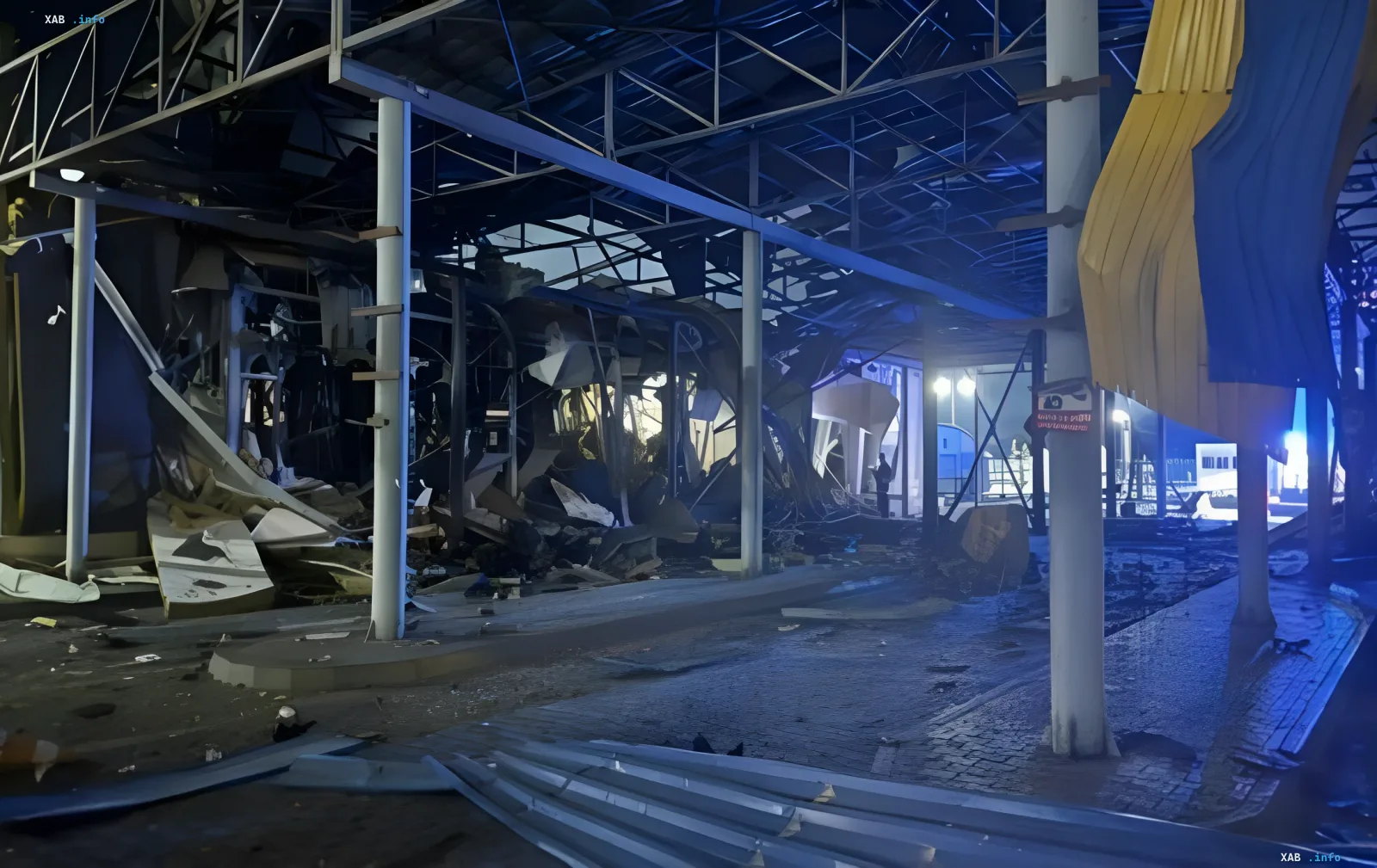
The context of the CCD's statement is a series of attacks in August and early September 2026. On the night of September 1, Russia, according to available data, attacked the 'Orlovka' international border crossing for ferry traffic on the border with Romania using 'Shaheds': hits on the building and the territory of the crossing were recorded, and the resulting fires were contained by rescuers. Earlier, on the night of August 25, following a drone attack, the operation of the 'Vinohradivka — Vulcaniștii' international border crossing on the Ukrainian-Moldovan border was temporarily suspended. On the night of August 21, Russia attacked the Bolhrad and Izmail districts of Odesa Oblast with drones; the 'Tyutyun' border crossing on the border with Moldova was damaged, and its operation was also temporarily suspended.
Rapid restoration and 'informational noise'
According to the head of the CCD, the restoration of the operational capacity of border crossings after Russian strikes is mostly carried out promptly, which, in his assessment, refutes the narrative of systematic destruction of the southern crossing routes. Thus, the agency positions reports of large-scale damage primarily as an element of information pressure, rather than as a reflection of a sustained degradation of the crossing infrastructure.
Contradictory data
Here the sides have a notable discrepancy in their interpretation of the facts. On the one hand, the CCD claims that the damage is exaggerated, that restoration is proceeding quickly, and that the rest is 'informational noise.' On the other hand, the events recorded in open reports indicate real, albeit temporary, disruptions: on the night of August 25, the operation of the 'Vinohradivka — Vulcaniștii' crossing was temporarily suspended; on the night of August 21, the operation of the 'Tyutyun' crossing was suspended; and on the night of September 1, fires broke out at 'Orlovka' following hits. In other words, the fact of brief suspensions and local damage is confirmed, whereas the assessment of their scale and the 'promptness' of the restoration remains an interpretation by the CCD and is not supported in the provided materials by an independent technical audit.
Bottom line: Kovalenko's statement records the official position of Kyiv on the line of countering disinformation — to minimize the information effect of the strikes on the southern border crossings. At the same time, the attacks themselves and the associated temporary restrictions on the operation of the crossings are confirmed by separate reports, which makes the picture mixed: real incidents do exist, but their scale and consequences remain a matter of dispute between the CCD's position and the facts of the temporary suspensions.