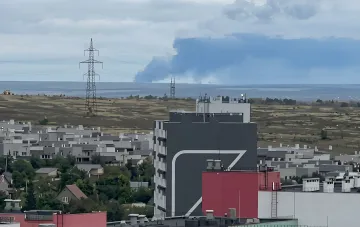
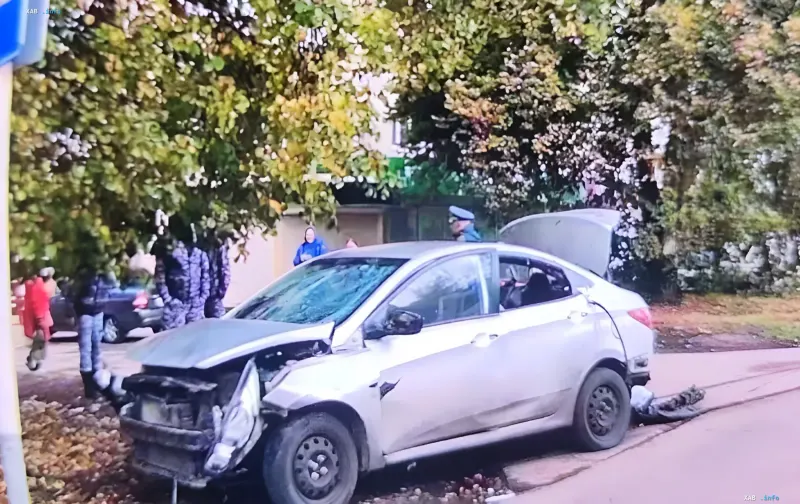
A high-profile incident occurred in Novomoskovsk, Tula Oblast of the Russian Federation: a car carrying local resident and participant in the war against Ukraine, Roman Syromyatnikov, was blown up. According to journalistic investigations and Ukrainian law enforcement agencies, this individual was officially charged with severe torture of Ukrainian prisoners of war held in Russian penitentiary institutions.
Chronology and Details of the Tula Oblast Blast
The emergency occurred on October 2, 2026, in the immediate vicinity of the residential building where Syromyatnikov lived. Preliminary operational data indicates that an improvised explosive device may have been planted directly under the bottom of the vehicle on the driver's side. Enhanced units of the Russian National Guard and specialized vehicles with Russian Ministry of Defense license plates promptly arrived at the scene, highlighting the high level of secrecy and concern among security agencies.
Military Career and Accusations of Severe Torture
Prior to his participation in combat operations, Roman Syromyatnikov worked within the structure of the Russian Federal Penitentiary Service. Starting in 2023, he signed a contract and went to war against Ukraine, serving as a serviceman in the 51st Airborne Regiment of the 106th Tula Airborne Division. He fought in the Siversk direction in Donetsk Oblast and was also involved in defensive operations in Kursk Oblast. In November 2024, the suspect returned to Tula Oblast under the pretext of undergoing medical treatment.
International Legal Context and Ukrainian Investigation
In September 2025, the Prosecutor General's Office of Ukraine officially served Syromyatnikov with a notice of suspicion of committing war crimes. According to the investigation, in 2022 he was involved in abusing Ukrainian prisoners of war at correctional colony No. 1 in Tula Oblast. The Ukrainian side possesses evidence of his involvement in the torture of at least 50 people: prisoners were systematically beaten with rubber bats, hammers, and subjected to electric shock using TA-57 field telephones.