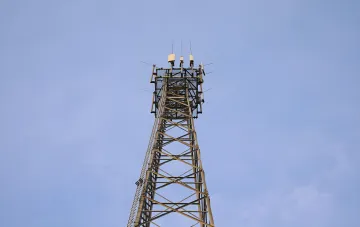
A Russian warship has been suspected of carrying out large-scale electronic warfare jamming of GPS signals, affecting approximately 140 passenger aircraft near the British coast. According to expert assessments, the incident occurred on November 9 in the North Sea, where a Russian Navy vessel was tracked moving at the time.
Details of the North Sea Incident
According to sources reporting from the region, the source of electronic interference was successfully localized approximately 190 miles off the British coast. Flights operated by major commercial carriers, including British Airways, Ryanair, and EasyJet, found themselves affected by the jamming. Disruptions to navigation systems posed additional risks to civil aviation operating in international airspace.
Expert Assessment and Escalation Threat
Military analysts and defense experts characterized the event as a potential hybrid attack orchestrated by Moscow. Specialists emphasize that if the responsibility of Russia's senior leadership for this incident is formally proven, it will mark a serious escalation of tensions between Russia and Western European nations.
Broader Maritime Incident Context
The electronic jamming incident aligns with other recent occurrences in European waters. On November 21, the Finnish Defence Forces recorded a drone attack on the Russian merchant vessel Sparta II west of the island of Suursaari in the Gulf of Finland. According to Ukrainian experts, this vessel has been used by the Russian military for logistical operations, specifically transporting weapons from Syria.
Implications for Flight Safety
Such incidents jeopardize international civil aviation safety and demand a firm response from European regulators. The use of warships to interfere with civilian navigation highlights the expanding scope of hybrid threats faced by NATO nations. Future developments will depend on the investigation results and the political reaction from London and its allies.