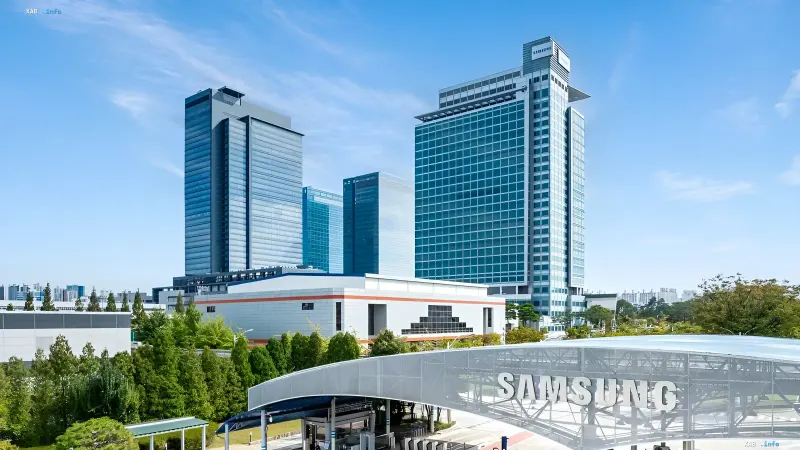
On November 20, 2026, Samsung Electronics announced a major leadership reshuffle across two of its core business divisions: the Mobile eXperience smartphone unit and the Device Solutions semiconductor cluster. According to the company's official statement, the changes are intended to strengthen Samsung's competitiveness in the semiconductor industry and ensure business growth amid surging demand for artificial intelligence memory. The company emphasized that the personnel decisions are not linked to external factors, though they coincided with a Financial Times report regarding export hurdles for chips bound for China.
Key Appointments in the Semiconductor Unit
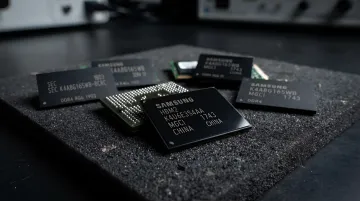
Hwang Sang-joon has been appointed to lead the memory business, receiving a promotion to company president. Previously, he oversaw memory development and was responsible for creating DRAM and HBM products—high-speed memory heavily in demand for AI accelerators. Samsung expects his expertise to solidify the company's position in the AI memory market. The System LSI division, which handles semiconductor component design, will now be led by Cho Sang-yon, who previously headed Samsung's US semiconductor business. Lee Jung-myung, formerly in charge of process technology development for DRAM, NAND, and other chips, has been named chief technology officer for the entire Device Solutions division.
Mobile Division and the Galaxy Lineup
Management of Mobile eXperience, the unit responsible for Galaxy smartphones, has been handed over to Choi Won-joon. Since March 2025, he served as the unit's chief operating officer and participated in preparing the launches of the Galaxy S26 smartphones and Galaxy Z Fold8 foldables. His predecessor, Roh Tae-moon, will retain his post as head of the larger Device eXperience division, which encompasses both smartphones and televisions. Vice Chairman Jung Yong-hyun will continue to oversee Device Solutions; both executives will remain co-CEOs of the company.
Background: Export Restrictions and Shipments to China
The reshuffle coincided with a Financial Times report stating that Samsung and Taiwan's TSMC have suspended certain shipments to Chinese clients and are applying to the US Department of Commerce for export licenses. According to the publication, new US regulations close loopholes that allowed advanced chip shipments to Chinese developers through third-party packaging and testing companies, while also impacting certain non-AI chips. Samsung's Chinese customers include ByteDance and Kunlun—Baidu's proprietary chip design unit—while TSMC reportedly manufactures processors for Xiaomi smartphones. An industry source cited by the publication believes Washington is likely to approve licenses for consumer smartphone chip supplies, though the bureaucratic procedure could cause disruptions. Samsung has officially denied any connection between the management shakeup and export restrictions.
Financial Context: Memory Shortage Hits Smartphones
The executive changes come at a time when Samsung's semiconductor and mobile businesses are facing pressure from memory shortages. According to the financial report for Q2 2026, the mobile division recorded an operating loss for the first time in company history: despite revenue growth driven by stable sales of the Galaxy S26 flagship series and strong popularity of the A-series, operating profit dropped due to rising component costs. The total operating loss for the DX division, which also includes TVs and home appliances, reached approximately 800 billion won (roughly $550 million), with smartphones being the primary driver. Against this backdrop, appointing an HBM and DRAM specialist to head the memory business looks like a logical step to stabilize manufacturing costs and secure memory supplies for its own devices.