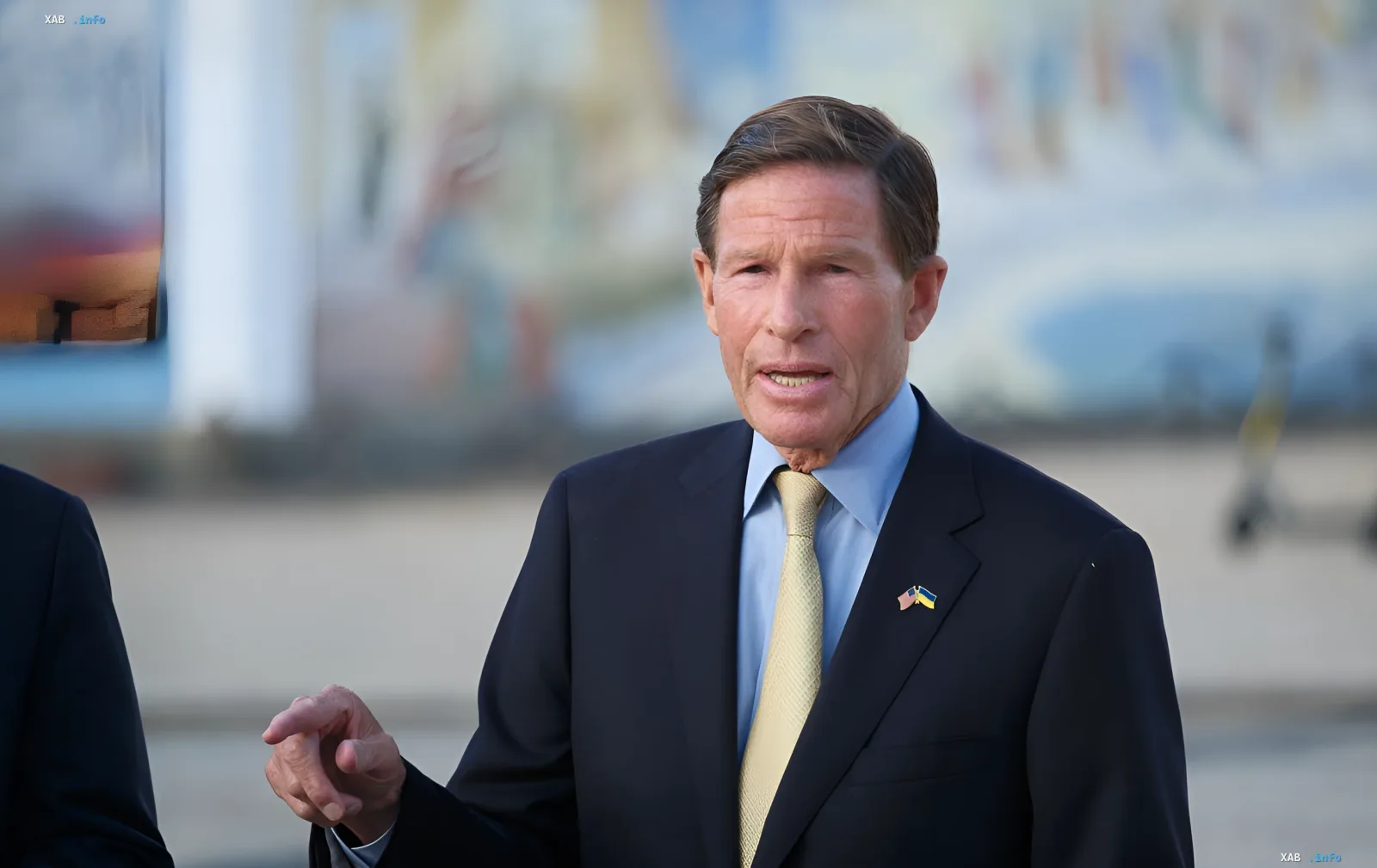
Richard Blumenthal, a senator from Connecticut and one of the authors of a sweeping sanctions bill against Russia, stated that he expects the document to be considered by the US House of Representatives as early as September 2026. According to him, the bill, which has been given the unofficial media nickname "hellish sanctions," enjoys significant support among Republicans in the lower chamber of Congress and is set to become, in the senator's own words, a "sledgehammer" that "only Putin understands."
Timeline of the Document's Passage
According to data compiled by Ukrainian media outlets, a key milestone in the bill's fate occurred on August 7, 2026, when the US Senate approved the document and sent it to the House of Representatives. In early August, the bill was officially delivered to the lower chamber of Congress. Blumenthal emphasized that its consideration is expected in September, making this the most likely window for the law's adoption during the current congressional session.
Pressure Mechanism: Tariffs Up to 100% and a Blow to Energy Revenues
The bill provides for two main instruments. First, direct sanctions against specific officials of the Russian Federation. Second, granting US President Donald Trump the authority to impose tariffs of up to 100% on the largest buyers of Russian oil and gas — primarily China and India. The goal of the mechanism is to reduce Moscow's revenues from energy exports, which, according to the document's authors, finance the military operation against Ukraine.
Intra-Party Disagreements and the Question of Presidential Powers
Despite broad support for the sanctions line from the Democratic caucus, a number of Democratic senators and congressmen expressed concern over the breadth of the powers the bill grants to the president. The discussion centered on the theoretical possibility of imposing additional tariffs against US allies, including European partners. In response, Blumenthal stated that the document contains exceptions that prevent the tariff mechanism from being applied against European allies, and that this should allay the main concerns within the party.
Contradictory Data
A minor discrepancy in the wording of the timelines is observed across available sources. The main text of Blumenthal's statement points to "next month" (September 2026) as the period for the House of Representatives' consideration of the bill. At the same time, a number of Ukrainian outlets (TSN, Slovoidilo) phrase the thesis as "may be adopted as early as September," which implies not merely the start of consideration but a potential vote. The difference between "consideration" and "adoption" in congressional procedure is significant: the House may begin debates in September, but the final vote could be postponed. Moreover, internal resistance from some Democrats over presidential powers creates an additional factor of uncertainty for the timeline endorsed by the senator.
Context: Preparation of a Second Package of Restrictions
According to sources citing Ukrainian authorities, the US is simultaneously preparing another package of stringent sanctions, which could be introduced in September 2026. In Kyiv, these restrictions are considered potentially stricter than the EU's current sanctions measures. Thus, September 2026 risks becoming a turning point for sanctions pressure on Russia: both a vote on the "hellish sanctions" in the House of Representatives and the introduction of a new administrative package of restrictions could take place simultaneously.