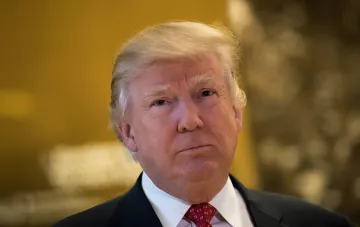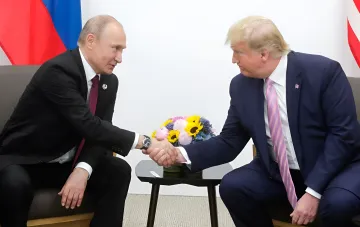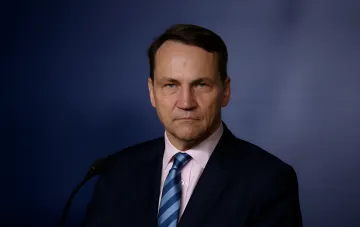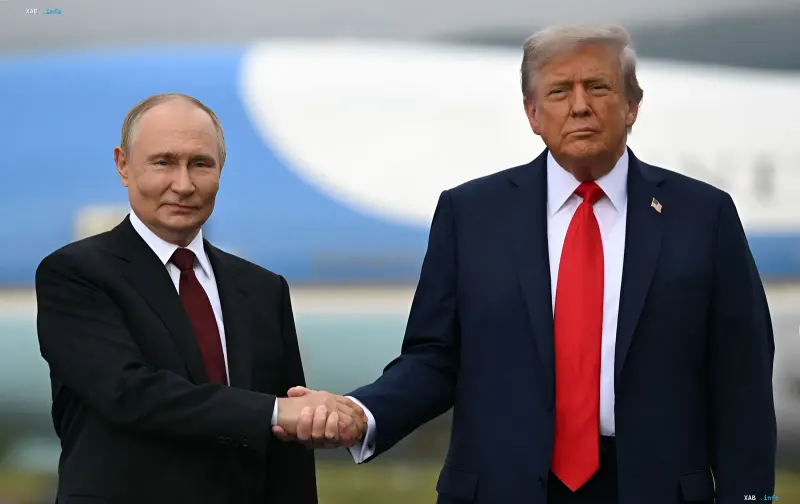
A group of fourteen bipartisan US senators has formally appealed to President Donald Trump, urging him to revoke the official invitation extended to the leadership of the Russian Federation to attend the upcoming Group of Twenty (G20) summit. The major international event is scheduled for December and is set to take place in Miami, Florida. This diplomatic initiative has sparked widespread resonance across political circles and drawn intense scrutiny from major global media outlets, including the authoritative Washington Post.
Background and Core of Lawmakers' Appeal
The driving force behind this firm bipartisan demarche consists of prominent American legislators—Republican Senator Roger Wicker and Democratic Senator Jeanne Shaheen. Their demand was supported by twelve additional colleagues hailing from key congressional committees overseeing armed services and foreign relations. In their official letter addressed to the White House, the parliamentarians stressed that the personal presence of the Russian leader on US soil would send a dangerous political signal, effectively legitimizing Moscow’s ongoing aggression against a sovereign neighbor.
Arguments of Congressmen and Sanctions Context
In the text of the appeal, the senators place special emphasis on the fact that the Russian president bears personal and sole responsibility for launching a full-scale war. The lawmakers reminded the executive branch that the Russian leader, along with key members of the government delegation, including Finance Minister Anton Siluanov, remain under strict US sanctions. These restrictions were enacted in response to actions posing a direct threat to the national security of the United States and its global allies. According to the letter's authors, integrating sanctioned individuals into global economic processes on American soil undermines the foundational sanctions architecture.
Contradictory Data
Despite the unified stance of the fourteen legislators who signed the letter, disagreements persist within the American political establishment regarding the advisability of completely isolating key geopolitical opponents. A faction within the conservative wing traditionally advocates for maintaining direct channels of high-level diplomatic engagement, arguing that G20 summits create unique opportunities to vigorously assert American interests face-to-face. At the same time, the authors of the appeal remain convinced that any attempts to normalize contacts with the Kremlin prior to the cessation of hostilities in Ukraine deprive Moscow of incentives to genuinely agree to a ceasefire and initiate peace negotiations.
Political Consequences and International Echo
Experts note that this unprecedented demarche by US senators places the presidential administration in a delicate position ahead of the summit. Isolating the Russian leadership from the international community, as envisioned by the letter's authors, must remain a primary tool of pressure. Otherwise, a failure by Washington to respond firmly could be interpreted by the Kremlin as a sign of weakness, which would only prolong the crisis in Eastern Europe and undermine NATO allies' trust in the US strategy of deterring aggressors .