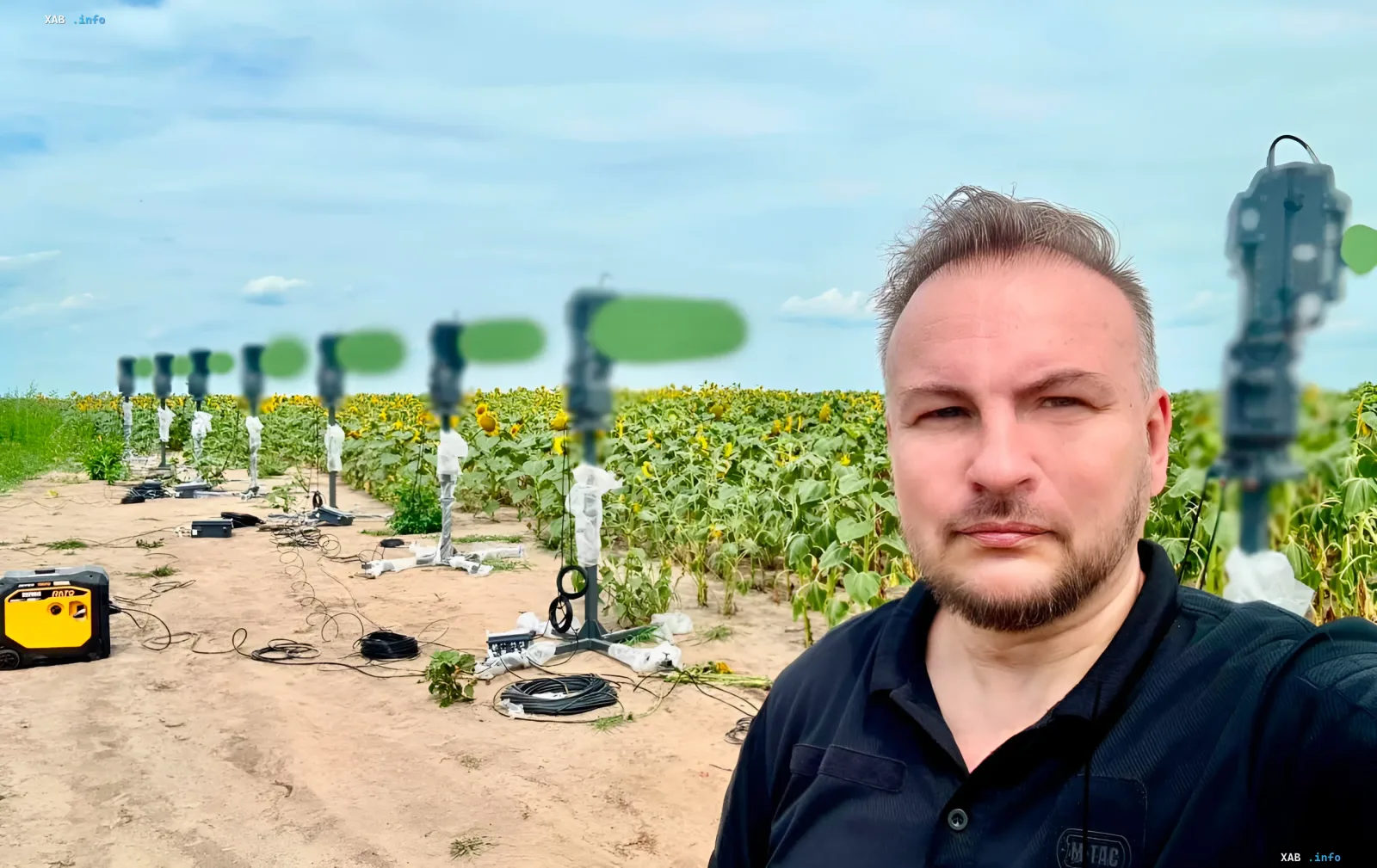
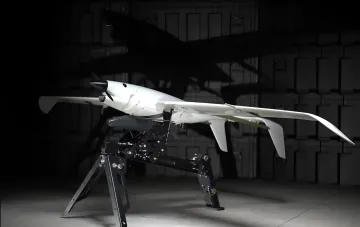
Russian forces have begun equipping new modifications of strike drones with optical navigation systems that fundamentally change the tactics of their deployment. We are talking about the Geran-4 and Geran-5 drones, which have received technology for visual mapping of the terrain with pre-loaded maps and images. This was reported by Serhii 'Flash' Beskrestnov, an freelance advisor to the President of Ukraine on the development of defense technologies.
The Principle of Operation of New Optical Navigation
The essence of the innovation is that the drone no longer depends exclusively on satellite navigation signals, which are easily jammed by electronic warfare (EW) means. Digital images of the Earth's surface along the route are pre-loaded into the memory of the flight controller, named 'Susanin'. During the flight, the device's onboard camera scans the space in real-time and compares the resulting image with reference maps, allowing the drone to confidently navigate.
The Threat from EW and Precedents of Use
The main danger of introducing such systems is the complete immunity of these drones to standard EW equipment, which previously effectively knocked UAVs off course. Experts note that although similar visual guidance technologies have previously been used on smaller loitering munition like Lancets or Molniya drones, scaling them up to long-range strike vehicles creates fundamentally new challenges for Ukraine's air defense system.
Contradictory Data
Despite the general technical assessments of the expert community regarding the resistance of new drones to electronic suppression, there are certain discrepancies in estimates of the scale and timing of their mass production. While some analytical centers and official speakers report the mass deployment of jet and long-range modifications to overload air defense, other sources point to ongoing technological complexities in integrating such controllers across all types of UAVs, emphasizing the need to adapt electronic intelligence and create new layered interception systems.
Expert Forecasts and Defense Implications
According to specialists, in the near future, such optical guidance systems will be actively developed and scaled to various classes of aircraft, including cheap medium- and long-range cruise missiles. This forces Ukrainian developers and military engineers to urgently seek symmetrical technological responses, as traditional methods of electronic counter-action against the new EW-invisible drones prove ineffective.